
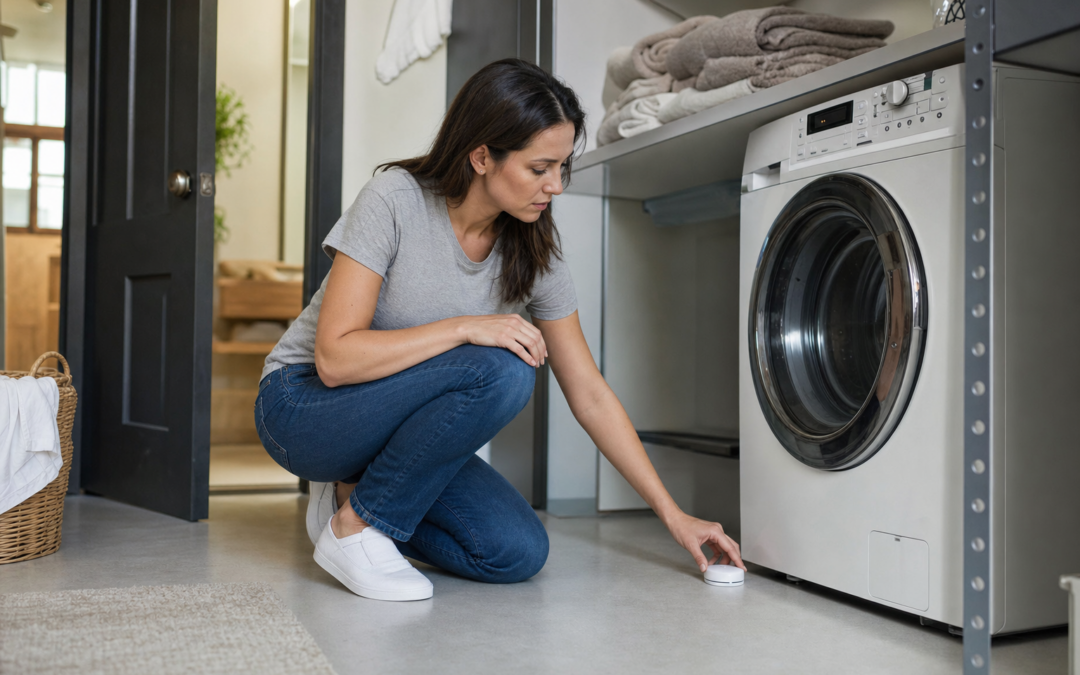
Water leaks can be one of the most damaging and costly issues a homeowner faces, especially when they happen in high-risk areas like laundry rooms or near sump pumps. These spaces are prone to unexpected leaks, which can quickly escalate into serious water damage, mold growth, and expensive repairs. Fortunately, modern leak sensors now offer a proactive way to monitor these vulnerable spots and alert you before small drips turn into big disasters.
Whether you’re looking to protect your finished basement, laundry appliances, or the area surrounding your sump pump, the right leak sensor can provide essential peace of mind. In this guide, we’ll break down how leak sensors work, what features to look for, and how to integrate them into your broader home security strategy for maximum protection.
Why Leak Sensors Are Critical for Laundry Rooms and Sump Pumps
Laundry rooms and sump pump pits rank among the most common locations for household water damage. Washing machines, utility sinks, and sump pumps all have connections, hoses, or components that can fail unexpectedly. If a hose bursts or a sump pump malfunctions, gallons of water can spill out in minutes—often unnoticed until it’s too late. Traditional water alarms offer limited coverage and may not be loud enough if you’re not nearby. Modern leak sensors, however, combine sensitive detection with smart alerts, giving you a crucial head start to minimize or even prevent damage.
How Leak Sensors Work: The Basics
Leak sensors are small devices that detect the presence of water in locations where it shouldn’t be. Most models use metal contacts or probes that complete an electrical circuit when water bridges the gap, triggering an alert. Some sensors are battery-powered and sound a local alarm, while others connect via Wi-Fi, Zigbee, or Z-Wave to send notifications to your phone or smart home system. For laundry rooms and sump pumps, placing sensors at the lowest point on the floor or directly beneath plumbing connections ensures the earliest possible warning.
Key Features to Look For in Leak Sensors
Not all leak sensors are created equal. To ensure reliable protection for laundry areas and sump pumps, keep an eye out for these critical features:
- Detection Sensitivity: Sensors should detect even small amounts of water quickly, not just pooling or flooding levels.
- Notification Options: The best sensors offer both audible alarms and remote notifications via smartphone or integration with home security systems.
- Battery Life: Look for sensors with long battery life (often 2+ years) or those that offer low-battery alerts.
- Durability: Sensors should be able to withstand damp, humid conditions common in laundry rooms and basements.
- Connectivity: Wi-Fi, Zigbee, or Z-Wave connectivity can enable alerts even when you’re away from home.
- Size and Placement Flexibility: Compact sensors or those with extension cables can fit into tight spaces beneath appliances or near sump pump pits.

41A5034 G801CB-P Safety Sensor Kit Review — Practical sensors from WOLIDAODAO, summarized from hub features and listed measurements. Key figures include 1997, 041, 0136.
Strategic Placement for Maximum Coverage
Proper placement of leak sensors is key for effective early detection. In laundry rooms, install sensors:
- Directly under washing machines, especially near water supply hoses and the drain.
- Near utility sinks or floor drains, where overflows may occur.
- On the floor beside water heaters if one is present in the laundry area.
For sump pumps, position your sensor:
- On the floor next to the sump pit, where water would accumulate in the event of a backup or pump failure.
- Some sensors have probe extensions that can be placed inside the sump pit itself, providing even earlier warning if water levels rise abnormally.
Integrating Leak Sensors with Your Home Security System
Many leak sensors today are designed to work seamlessly with broader home security and automation platforms. Integration adds several benefits:
- Centralized Alerts: Receive notifications through your main security app, ensuring you don’t miss urgent water leak warnings.
- Automated Actions: Some systems can trigger shutoff valves, activate sump pumps, or even alert emergency contacts automatically.
- Data and History: Log leak events to track recurring issues and spot patterns.
If you’re already using a smart hub or security system, look for leak sensors compatible with your platform (e.g., SmartThings, Ring, or Alexa).

41A5034 Garage Door Sensor with Brackets Review — An editorial look at this Aooashet option for sensors — specs first, marketing second. Key figures include 1997, 2610459, 012381050345.
Battery-Powered vs. Plug-In Leak Sensors
Most leak sensors are battery-powered for placement flexibility, but there are also plug-in options. Here’s a quick comparison to help you decide:
- Battery-Powered: Easy to place anywhere, no outlet required. Ideal for under appliances or in sump pump pits. Be sure to check battery status regularly and replace as needed.
- Plug-In: Unlimited runtime as long as power is available. Placement limited to locations near outlets, which may not be ideal for all laundry rooms or basements.
For laundry rooms and sump pumps, battery-powered sensors are usually the most practical option due to placement needs and the risk of power outages during storms—the very time when sump pumps and leak detection are most critical.
Common Causes of Laundry Room and Sump Pump Leaks
Understanding the sources of potential leaks helps you target sensor placement and maintenance efforts. The most frequent causes include:
- Washing Machine Hose Failures: Rubber hoses can crack, burst, or slip loose, releasing gallons of water in minutes.
- Clogged or Backed-Up Drains: Lint, debris, or soap scum can block drains, leading to overflows during wash cycles.
- Leaking Utility Sinks: Loose connections or cracked basins can drip or gush water onto the floor.
- Sump Pump Malfunctions: Power loss, switch failures, or blocked discharge lines can cause sump pits to overflow, especially during heavy rains.
Installing leak sensors at these risk points can drastically reduce your chances of coming home to a flooded basement or laundry area.

41A5034 Safety Sensor Kit Review — An editorial look at this Werhoo option for sensors — specs first, marketing second. Key figures include 1997, 2610459, 012381050345.
Smart Leak Detection: Wi-Fi and App-Enabled Sensors
One of the most significant advances in leak sensor technology is the ability to send instant alerts to your phone, no matter where you are. Wi-Fi enabled leak sensors connect directly to your home’s wireless network and can push notifications via dedicated apps. Some even integrate with broader smart home assistants like Alexa or Google Assistant. This means you’ll be alerted to leaks even if you’re at work, out of town, or just upstairs out of earshot of an alarm. Many Wi-Fi sensors also allow you to monitor battery life and check sensor status remotely, adding another layer of convenience and security.
Installation Tips for Reliable Leak Detection
Even the best leak sensor won’t help if it’s installed incorrectly. Here’s how to ensure your devices work as intended:
- Test Before Placing: Activate the sensor by touching a damp cloth to its contacts to confirm it triggers an alert.
- Place on a Flat Surface: Ensure the sensor sits flush with the floor for immediate detection of pooling water.
- Secure Cables: If your sensor uses a probe extension, secure the cable to avoid tripping hazards and keep the probe in the correct position.
- Keep Clear of Debris: Avoid placing sensors in locations where lint, dust, or objects could interfere with water reaching the contacts.
- Check Range: If your sensor connects via Wi-Fi or other wireless protocols, make sure it’s within effective range of your router or hub.
Set a calendar reminder to test your sensors every few months and replace batteries as necessary to ensure ongoing protection.
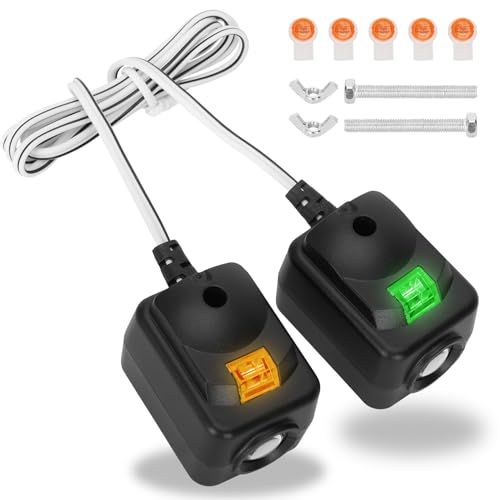
820CB Garage Door Sensor (Receiving&Sending) Review — A Pevxou pick in Sensors that focuses on real-world usability Key figures include 1997, 1, 2 .
Maintaining and Testing Your Leak Sensors
Routine maintenance is crucial for leak sensors to function reliably. Here’s what to keep on your checklist:
- Monthly Testing: Simulate a leak by touching the contacts with a damp cloth and confirm you receive alerts or hear the alarm.
- Replace Batteries: Most batteries last 1-2 years. Mark replacement dates and swap them out before they die.
- Inspect Placement: Check that sensors haven’t been knocked out of place during cleaning or appliance movement.
- Clean Contacts: Wipe away dust, lint, or corrosion from sensor contacts for accurate detection.
- Review App Settings: If using smart sensors, verify that notifications are enabled and your device is connected to Wi-Fi.
Consistent upkeep ensures you’re never caught off guard by a failed or silent sensor during a real emergency.
Cost vs. Value: Are Leak Sensors Worth It?
While the upfront cost of leak sensors may give some homeowners pause, it’s a small investment compared to the potential expense of water damage repairs. The average insurance claim for water damage in the US can run into thousands of dollars, not to mention the hassle and disruption to your daily life. Leak sensors for laundry rooms and sump pumps can pay for themselves many times over by giving you time to act before a minor issue spirals out of control. For the best protection, consider pairing leak sensors with automatic water shutoff valves or professional monitoring—especially if you travel frequently or have a finished basement at risk.
Expanding Leak Detection to Other High-Risk Areas
Once you experience the peace of mind that leak sensors provide in your laundry room and sump pump area, consider expanding coverage to other vulnerable spots in your home:
- Under kitchen sinks and dishwashers
- Near water heaters
- Behind toilets and bathroom vanities
- Next to refrigerators with ice makers or water dispensers
- Anywhere plumbing is hidden behind walls or in crawlspaces
Start with your highest-risk areas, but don’t hesitate to add more sensors over time. Many brands offer multi-packs for whole-home coverage, and some security systems support dozens of sensors on a single hub.
Final Thoughts: Making Leak Sensors a Core Part of Your Home Defense
The threat of water damage is a reality for almost every homeowner, but with today’s advanced leak sensors, you can take control and significantly reduce your risk. By choosing the right sensors, placing them strategically in your laundry room and sump pump area, and integrating them with your home security system, you’ll have a robust early warning system in place. Don’t wait for a costly leak to show you the value of proactive protection—invest in leak sensors now and enjoy the peace of mind that comes with knowing your home is safeguarded against one of its most common and destructive threats.
For more expert advice on building a comprehensive home security strategy, be sure to explore our detailed guides and product reviews on Home Defense Tips.
Essential Leak Sensor Installation Checklist
- Survey Vulnerable Areas: Identify all potential leak sources in your laundry room and basement, including washing machines, utility sinks, sump pumps, and water heaters.
- Choose the Right Sensor(s): Select sensors with features that fit your needs (e.g., Wi-Fi connectivity, battery backup, probe extensions).
- Test Sensor Functionality: Before permanent placement, test each sensor with a small amount of water to ensure it activates as expected.
- Secure Sensor Placement: Place sensors flat on the floor or mount probes according to manufacturer instructions for optimal detection.
- Connect to Smart Systems: If using smart leak sensors, follow pairing instructions to link them with your home automation or security platform.
- Configure Notifications: Set up push alerts, text messages, or email notifications so you’re informed immediately of any detected leaks.
- Label Sensor Locations: For larger homes or multiple sensors, keep a record of each sensor’s location for easier maintenance and troubleshooting.
- Regularly Check Batteries: Schedule reminders to check and replace sensor batteries as needed to avoid lapses in protection.
Common Mistakes to Avoid with Leak Sensors
- Ignoring Sensor Placement: Placing sensors too far from the actual leak source can delay alerts. Always position them at the lowest point where water will first accumulate.
- Overlooking Battery Maintenance: Letting batteries run dead renders sensors useless. Replace batteries annually or when alerted by the device.
- Relying on a Single Sensor: In larger laundry rooms or basements, one sensor may not provide full coverage. Consider multiple sensors for comprehensive protection.
- Not Testing Sensors: Failing to routinely test sensors can mean you won’t know if they’re malfunctioning until it’s too late. Test every few months with a damp cloth or small water spill.
- Disabling Notifications: Muting notifications or ignoring alerts can defeat the purpose of the system. Always investigate alerts promptly, even if you suspect a false alarm.
- Skipping Integration: Not connecting your leak sensors to your home security system or smart home hub means missing out on automated responses and centralized alerts.
- Neglecting Environmental Factors: Extreme humidity, dust, or temperature swings can impact sensor reliability. Ensure your chosen sensors are rated for the conditions in your installation area.
Routine Maintenance for Leak Sensors
Just like any home safety device, leak sensors require periodic maintenance to stay reliable. Here’s how to keep your system in top shape:
- Monthly Visual Inspection: Check that sensors are still properly positioned and free of dust, debris, or blockages that could delay water contact.
- Quarterly Testing: Trigger the sensor with a drop of water or a damp cloth to verify the alarm and notification systems are working.
- Battery Replacement: Most leak sensors use long-life batteries, but check them at least once a year or when you receive a low-battery warning.
- Firmware Updates: For smart sensors, check for and install any manufacturer firmware updates to ensure ongoing compatibility and security.
- Clean Contacts: Wipe the metal contacts or probes with a dry cloth to remove oxidation or buildup that might impair detection.
- Check Connectivity: If your sensor uses Wi-Fi, Zigbee, or Z-Wave, verify the connection regularly, especially after power outages or router changes.
- Replace Aging Sensors: Sensors can wear out over time. Replace any that have been in service for more than five years or show signs of malfunction.
Frequently Asked Questions about Leak Sensors
How many leak sensors do I need in my laundry room or basement?
The number of sensors needed depends on the size of the area and the number of potential leak sources. At minimum, place one sensor near each appliance or fixture that uses water (such as the washing machine, utility sink, sump pump, and water heater). For larger spaces, consider additional sensors in low points or corners where water might flow.
Can leak sensors prevent flooding or just alert me to leaks?
Leak sensors themselves do not physically stop water, but they provide critical early warnings so you can take action before a leak turns into a flood. Some advanced systems can trigger automatic water shutoff valves or activate sump pumps for a more comprehensive response.
Are leak sensors difficult to install?
Most leak sensors are designed for DIY installation and require minimal tools. Simply place the sensor on the floor or mount it according to the manufacturer’s instructions, then pair it with your smartphone or smart home system if applicable. Wireless models are especially easy to set up.
How long do leak sensor batteries last?
Battery life varies by model and usage, but most modern leak sensors offer 2–5 years of battery life. Always follow the manufacturer’s recommendations for battery type and replacement schedule to ensure uninterrupted protection.
Do leak sensors work during power outages?
Battery-powered leak sensors will continue to function during power outages. However, if you rely on Wi-Fi or a smart home hub for notifications, those systems may be affected unless they also have battery backup. Some sensors can sound local alarms even if remote notifications are unavailable.
Can I use one leak sensor for both the laundry room and sump pump?
It’s best to use separate sensors for each high-risk area. Water leaks are unpredictable, and a single sensor cannot effectively monitor multiple locations at once. Multiple sensors ensure comprehensive coverage and faster detection.
What should I do if my leak sensor goes off?
If your sensor sounds an alarm or sends an alert, immediately inspect the area for visible leaks or pooling water. Shut off the water supply if possible and begin cleanup to prevent further damage. If you’re away from home, contact a trusted neighbor or professional to check on your property.
Will leak sensors work with my existing smart home system?
Many modern leak sensors are compatible with popular smart home platforms like Alexa, SmartThings, Ring, and Google Home. Always check compatibility before purchasing, and follow the manufacturer’s setup instructions for integration.
Tips for Maximizing Leak Sensor Effectiveness
- Combine with Smart Shutoff Valves: Pairing leak sensors with automatic water shutoff valves can stop leaks at the source, even if you’re not home.
- Integrate with Security Monitoring: If you have a monitored home security system, ask your provider about adding environmental monitoring for water leaks.
- Monitor Sensor Health: Use your smart home dashboard or app to regularly check sensor status, battery levels, and connectivity.
- Educate Household Members: Make sure everyone in your home knows what the leak sensor alarm sounds like and how to respond.
- Document Leak Events: Keep a log of any sensor alerts, even false alarms, to track patterns and improve future prevention strategies.
Beyond the Laundry Room: Other Key Locations for Leak Sensors
While laundry rooms and sump pumps are high-priority, consider expanding protection to other vulnerable areas:
- Under kitchen sinks and dishwashers
- Near water heaters
- Inside bathrooms, especially near toilets and tubs
- Behind refrigerators with water dispensers or ice makers
- In crawl spaces or unfinished basements susceptible to ground water seepage
Strategically placing leak sensors throughout your home creates a comprehensive early-warning network and can help you avoid expensive repairs from undetected water damage.
Our content is researched and drafted with AI assistance and reviewed by our team. Product details come from published specs, manufacturer information and owner reviews.