
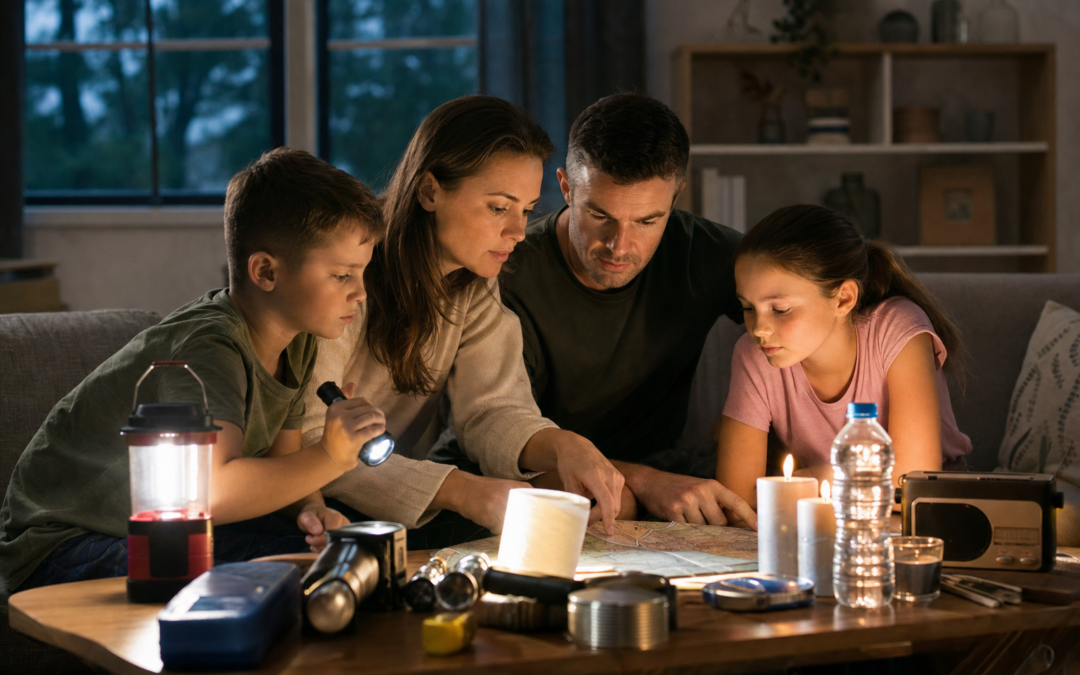
When the power goes out unexpectedly, families can be left in the dark—literally and figuratively. Whether caused by storms, accidents, or grid failures, a multi-day outage creates more than just inconvenience. Safe, reliable lighting is essential for navigating your home, preventing accidents, and maintaining a sense of normalcy over a 72-hour period. A well-thought-out lighting plan helps families stay calm, organized, and secure until the power returns.
This practical guide walks you through a step-by-step, family-focused plan for managing lighting during a 72-hour outage. We’ll cover smart placement, choosing backup lights, maximizing battery life, and safe usage habits. You’ll also find tips for keeping kids comfortable, maintaining security, and integrating your lighting setup with broader emergency preparedness routines. For a full overview of prepping your home for all emergencies, review our emergency preparedness hub.
Understanding the Risks: Why Lighting Matters in a Power Outage
Many families underestimate just how disorienting and hazardous darkness can be in a home designed for always-on electricity. Tripping hazards, sharp corners, and stairs become dangerous at night. Cooking or finding supplies is tricky, and even routine bathroom trips can end in injury. A lack of light also increases stress, especially for kids or those with mobility issues. Finally, effective lighting can help deter opportunistic intruders who target dark neighborhoods during outages.
Having a 72-hour outage plan ensures your family avoids these risks and can function safely and comfortably until normal power resumes.
Home Lighting Needs: Room-by-Room Assessment
Start by listing the spaces your family uses most during an outage. Focus on:
- Entryways and Hallways: Essential for safe movement, especially at night.
- Kitchen: For food prep, snacks, and water access.
- Bathroom: Hygiene and medication needs.
- Bedrooms: Comfort and safety for children and adults.
- Living Areas: Gathering, reading, and activities.
- Stairways: High fall risk; must be illuminated.
- Outdoor Areas: For letting pets out, checking surroundings, or deterring prowlers.
Map out your home and decide which areas truly need continuous lighting, which can use occasional flashlight visits, and where motion-sensing or auto-on options are most useful. This assessment forms the basis for how many lights, batteries, and placement strategies you’ll need.
Types of Backup Lighting: Pros and Cons
There are several categories of emergency lighting, each with strengths and weaknesses for 72-hour use:
- Handheld Flashlights: Portable, focused light; great for moving between rooms but can be misplaced or left on by accident.
- Rechargeable Auto-On Lights: Plug into outlets and turn on automatically during an outage; ideal for hallways, kitchens, or bathrooms.
- Lanterns: Provide area lighting, good for living spaces or group activities; battery life varies.
- Headlamps: Hands-free for tasks, cooking, or repairs; useful for adults and older children.
- Solar/Hand-Crank Flashlights: Don’t rely on batteries or grid charging; excellent for backup if outage extends or batteries run out.
- Battery-Powered Nightlights: Gentle illumination for kids’ rooms or hallways; long-lasting and low power draw.
- Glow Sticks/Chemical Lights: Single-use, not very bright, but safe and can be placed anywhere.
For most families, a combination works best: rechargeable or auto-on lights for key rooms, handheld flashlights for mobility, and at least one solar/crank light as a failsafe.
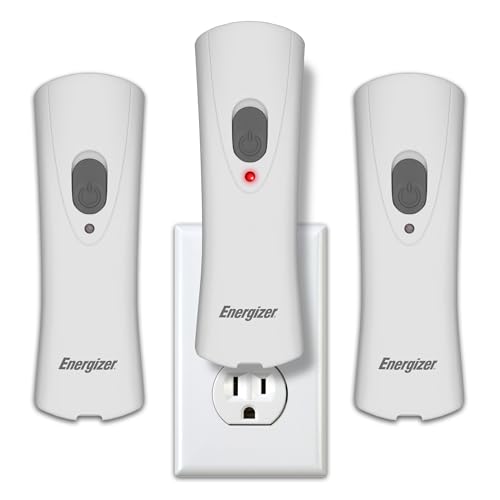
Energizer Auto-On LED Flashlights Rechargeable ( ) for Home Power Failure Review — Practical handheld flashlights from Energizer, summarized from hub features and listed measurements. Key figures include 1 , 3 Pack, 1.77 .
Calculating How Much Light You Need
For a 72-hour outage, you’ll want at least one reliable light source in each critical area, plus spares for personal use and backup. A good rule of thumb is:
- 1-2 auto-on or plug-in lights for each hallway, kitchen, and bathroom.
- 1 flashlight or lantern per family member, plus 1-2 extras in case of failure or loss.
- 1 headlamp for every adult or teen, especially for hands-free tasks.
- 1 solar/hand-crank flashlight as a universal backup if batteries run low.
Consider lighting overlap: for example, a lantern in the living room can also brighten the kitchen if doors are open. Prioritize safety-critical areas first. If you have young kids, nightlights or dim lanterns in bedrooms and hallways reduce anxiety and accidents.
Placement and Setup: Where and How to Keep Lights Ready
Proper placement is as important as quantity. Here are best practices for staging your outage lighting:
- Plug auto-on lights into outlets near stairs, bathrooms, and the main entryway. These are the most dangerous spots in the dark and benefit from immediate, hands-free illumination.
- Store flashlights in every bedroom. Place them in nightstand drawers or attach to bedframes with Velcro or hooks. Teach kids where their lights are.
- Keep a lantern or large flashlight in the main living area. This becomes the go-to for family gatherings or meals.
- Have a headlamp or flashlight in the kitchen. Store in a drawer or on the fridge with a magnet.
- Outdoor lights: Solar-powered or battery lanterns should be ready near back and front doors for quick access.
- Glow sticks or battery-powered nightlights: Place along hallways or in bathrooms for all-night guidance, especially for children.
Label or color-code family flashlights if possible, and run a quick “lights out” drill so everyone knows where to find them in complete darkness.

ROSSEX 4 in 1 Emergency Lights for Home Power Failure Review — A ROSSEX pick in Handheld Flashlights that focuses on real-world usability Key figures include 03, 3 PCS, 5.43 .
Battery and Charging Strategies for 72 Hours
Battery management is crucial for multi-day outages. Here’s how to maximize your lighting runtime:
- Check and replace batteries annually. Use lithium batteries for longer shelf life and better cold-weather performance.
- Rechargeable options: Keep rechargeable lights plugged in so they’re always topped off. Have a portable power bank ready for USB-charged lanterns and flashlights.
- Solar and crank lights: Set these out in sunlight each day; crank for a few minutes daily if weather is cloudy.
- Conserve power: Use low or medium brightness when possible. Dimmer settings stretch battery life significantly.
- Rotate lights: Use one lantern for group activities, then switch to flashlights or nightlights when people disperse to save on battery drain.
For a 3-day outage, plan on a fresh set of batteries per light, per person, plus a backup set. Rechargeables and crank lights are insurance against running out. Store extra batteries in a cool, dry place, and check expiration dates regularly.
Safe Lighting Habits During an Outage
Emergency lighting can introduce new hazards if not used carefully. Keep these safety guidelines in mind:
- Never use candles or open flames, especially with pets or young children. LED lights are vastly safer for all-night use.
- Keep flashlights away from water. Even “water resistant” models shouldn’t be submerged or used in heavy rain unless rated for it.
- Securely place lanterns and nightlights. Don’t leave lights where they can be knocked over or stepped on, especially in high-traffic areas.
- Don’t overload outlets with too many plug-in lights or chargers at once. Spread them out.
- Turn off lights when not needed. This preserves batteries and reduces heat buildup inside enclosed spaces.
- Supervise children with flashlights and lanterns. Show them how to use, turn off, and return lights to their designated spots.
Safe use not only prevents accidents but also ensures your lighting resources last for the full 72 hours.
Lighting for Children, Seniors, and Pets
Special considerations are needed for family members who may be more vulnerable in the dark:
- Children: Nightlights or dim lanterns in bedrooms and hallways help them move safely and feel secure. Give each child a small flashlight and show them how to use it. Glow sticks are fun and practical for nighttime trips to the bathroom.
- Seniors: Place auto-on lights near beds and in bathrooms. If mobility is limited, keep a flashlight within arm’s reach at all times. Label light switches with glow-in-the-dark tape so they’re easy to find.
- Pets: Keep a flashlight near pet areas for feeding or letting them out. Use small, battery-powered tap lights near water/food bowls to prevent spills.
Practice a “lights out” scenario with your family before an outage happens. This ensures everyone knows what to do and where to find their personal lights in the dark.
Backup Options: Solar, Hand-Crank, and Non-Battery Lights
To prepare for the unexpected—such as running out of batteries or an outage lasting longer than 72 hours—include at least one non-battery-dependent light in your plan:
- Solar-powered flashlights: Charge during the day, provide light at night. Place in a sunny window if possible.
- Hand-crank flashlights: Generate light on demand. Even a few minutes of cranking can yield enough light for critical tasks or all-night navigation at low brightness.
- Glow sticks: While not bright, they are immune to battery failures, last 8-12 hours, and are safe for children’s rooms or bathrooms.
Having a resilient, no-battery light ensures you’re never completely in the dark—even if all else fails.

Simpeak Hand Crank Solar Powered Flashlight Review — Practical handheld flashlights from Simpeak, summarized from hub features and listed measurements. Key figures include 1, 10 minutes, 2.
Integrating Lighting with Your Complete Emergency Plan
Lighting is just one pillar of a robust outage response. Integrate your lighting plan with other emergency essentials:
- First Aid: Keep a flashlight with your medical kit. Good lighting is critical for wound care or medication management in the dark.
- Communication: Store a flashlight near your emergency radio and phone charging station.
- Security: Use motion-activated or auto-on lights near entryways to deter prowlers. Keep an extra light with your home defense items.
- Food and Water: Light the kitchen and pantry for safe access to supplies.
Regularly review and practice your plan. Test lights, rotate batteries, and update your kit as your family’s needs change. For more on how to build a layered emergency strategy, see our emergency preparedness resources.
Maintenance and Drills: Keeping Your Plan Ready
Your outage lighting setup is only as good as its upkeep. Set a biannual schedule to:
- Test every light, including auto-on and solar models.
- Rotate batteries and recharge all rechargeable devices.
- Check glow sticks’ expiration dates and replace as needed.
- Review placement to ensure lights are still accessible and not blocked by furniture or clutter.
- Run a family “power out” drill each season. Practice finding and using lights in the dark.
These habits mean your family won’t be caught off guard when the lights go out for real.
Frequently Asked Questions: 72-Hour Outage Lighting
- How long do most household flashlights last? Most quality LED flashlights can run 8-24 hours on fresh batteries at medium brightness. Lanterns and headlamps vary—always check manufacturer specs.
- Are candles safe for outage lighting? Candles are not recommended due to fire risk, especially with children or pets. Battery-powered LEDs are much safer.
- Can I use my phone’s flashlight? Phone flashlights drain batteries quickly and should be reserved for essential communication. Use dedicated lights for navigation and tasks.
- What if my rechargeable lights aren’t fully charged when the power goes out? That’s why it’s key to test and recharge regularly. Keep at least one hand-crank or solar light for backup.
- How can I help children feel safe during a blackout? Give them their own lights, use nightlights in bedrooms/hallways, and reassure them with familiar routines and games in a well-lit living area.
Sample 72-Hour Lighting Plan Checklist
Customize this list for your family size and home layout:
- Auto-on rechargeable lights for hallways, bathrooms, kitchen
- 1 flashlight/headlamp per person, plus 1-2 spares
- Lantern or area light for living room
- Solar or hand-crank flashlight as universal backup
- Battery-powered nightlights/glow sticks for children’s rooms and hallways
- Extra sets of batteries (check expiration dates)
- Portable USB power bank for rechargeable devices
- First aid kit with attached flashlight
- Outdoor lights for entryways and pet areas
- Biannual test and battery rotation reminder
Final Thoughts: Staying Safe and Comfortable in the Dark
A 72-hour power outage doesn’t have to bring chaos or danger into your home. With a sensible, well-organized lighting plan and a mix of reliable backup lights, your family can navigate the darkness safely, maintain routines, and even enjoy some calm togetherness. Take the time now to assess your lighting needs, stage your supplies, and practice your plan. When the next outage comes, you’ll be ready to keep everyone safe, secure, and out of the dark.
72-Hour Power Outage Lighting Checklist
Preparation is key to staying safe and comfortable during an extended outage. Use this checklist to ensure your family is ready for 72 hours without power:
- Inventory existing lighting: Check what flashlights, lanterns, headlamps, and nightlights you already own. Test each for functionality.
- Assign lighting to rooms: Place at least one light source in each critical area: entryways, hallways, kitchen, bathroom, bedrooms, living room, and stairways.
- Stock spare batteries: Keep an ample supply of all battery sizes your devices require. Store batteries in a dry, easily accessible location.
- Recharge devices: Top off rechargeable lanterns, flashlights, and power banks at the first sign of severe weather or grid instability.
- Label and store lights: Use glow-in-the-dark tape or stickers to mark light locations, making them easy to find in the dark.
- Include solar or hand-crank lights: Have at least one non-battery-dependent light available.
- Prepare for children and pets: Place gentle nightlights or glow sticks in kids’ rooms and near pet areas to reduce stress and prevent accidents.
- Organize a lighting “go kit”: Pack a tote or bin with flashlights, batteries, headlamps, and instructions for quick access during an outage.
- Review your plan regularly: Practice finding and using your backup lights with the whole family so everyone knows what to do when the lights go out.
Common Mistakes to Avoid During an Outage
Even with a solid plan, families can fall into some common traps during a power outage. Avoid these mistakes to keep everyone safe and extend your lighting resources:
- Relying on candles: Candles are a major fire hazard, especially with children or pets. Use battery-powered lights instead.
- Using all lights at once: Don’t turn on every flashlight or lantern immediately; conserve batteries by lighting only the rooms in use.
- Ignoring battery life: Forgetting to check and rotate batteries before an outage can leave you in the dark. Always test and charge devices ahead of time.
- Storing lights out of reach: If your backup lights are in a hard-to-access closet or high shelf, you’ll waste valuable time and risk injury finding them in the dark.
- Forgetting outdoor lighting: Exterior lights deter intruders and help with checking surroundings, but are often neglected in planning.
- Not teaching children: If kids don’t know where lights are or how to use them, panic can set in quickly. Include them in practice drills.
- Overlooking maintenance: Devices with corroded batteries or broken bulbs won’t help in an emergency. Inspect and maintain all lighting gear regularly.
Maintenance and Storage of Emergency Lighting
Keeping your lighting equipment in optimal condition is just as important as having it in the first place. Follow these maintenance tips to ensure your lights work when you need them most:
- Monthly battery checks: Test all flashlights, lanterns, and headlamps at least once a month. Replace batteries as needed and recharge any USB or built-in battery devices.
- Prevent battery corrosion: Remove batteries from devices that sit unused for long periods, or use anti-corrosion battery holders.
- Inspect for damage: Check for cracked lenses, faulty switches, or worn seals that could allow moisture in, especially for devices stored in garages or basements.
- Clean lenses: Wipe down lenses and bulbs to maximize light output. Dust and fingerprints can reduce brightness.
- Store in accessible locations: Place lights in predictable, easy-to-reach spots. Avoid areas with extreme temperatures or humidity.
- Rotate rechargeable devices: Use and recharge your main lanterns and flashlights every few months to keep batteries healthy.
- Keep instructions handy: Attach user manuals or quick-start guides to multi-function lights so anyone can operate them under stress.
Regular maintenance ensures your lighting plan doesn’t fail when you need it most—during a real emergency.
Frequently Asked Questions About Outage Lighting
How long will typical batteries last in emergency lights?
Battery life varies by device and battery type. Standard AA or AAA batteries in LED flashlights can last 10-30 hours of continuous use, while lanterns may last 8-100 hours depending on brightness settings. Rechargeable models may offer less runtime but can be quickly topped off if you have access to solar panels or power banks.
Are solar or hand-crank lights reliable for 72 hours?
Solar and hand-crank lights are excellent as backup options, especially if you experience longer outages or run out of spare batteries. For best results, charge solar lights in direct sunlight daily, and test hand-crank models periodically. They’re not as bright as plug-in or battery-powered lights, but they’re invaluable for extended emergencies.
Is it safe to use candles or oil lamps?
It’s best to avoid candles and oil lamps due to the risk of fire, especially with children, pets, or in crowded households. Modern LED lighting provides a much safer and more reliable alternative.
How can I help children feel safe during a blackout?
Prepare kids by practicing your outage plan and letting them choose their own nightlights or flashlights. Consider using soft, battery-powered nightlights in bedrooms and hallways. Keep familiar comfort items nearby and explain the situation calmly. Having a small activity kit with books, games, or glow sticks can also help distract and reassure children during an outage.
What’s the best way to light stairs and hallways?
Place auto-on plug-in lights or motion-activated battery lights along stairs and hallways to reduce fall risk. Glow-in-the-dark tape on steps or baseboards can also help guide movement at night without draining batteries.
How do I deter intruders when the power is out?
Use battery-powered outdoor lights or motion-sensor lights near entryways and driveways. Keep a flashlight near each exit, and avoid signaling that your home is empty. Stay alert and check surroundings periodically. For more on security during outages, visit our home security outage guide.
Should I leave some lights on all night?
For safety, keep a low-level nightlight or lantern running in hallways or bathrooms, especially for children, elderly family members, or anyone likely to get up at night. Use the lowest brightness setting possible to conserve batteries.
Can I use rechargeable lights if the power is out for days?
Yes, but you’ll need a way to recharge them—solar chargers, power banks, or car adapters are good solutions. Consider mixing rechargeable and battery-operated models in your plan for flexibility.
Our content is researched and drafted with AI assistance and reviewed by our team. Product details come from published specs, manufacturer information and owner reviews.