
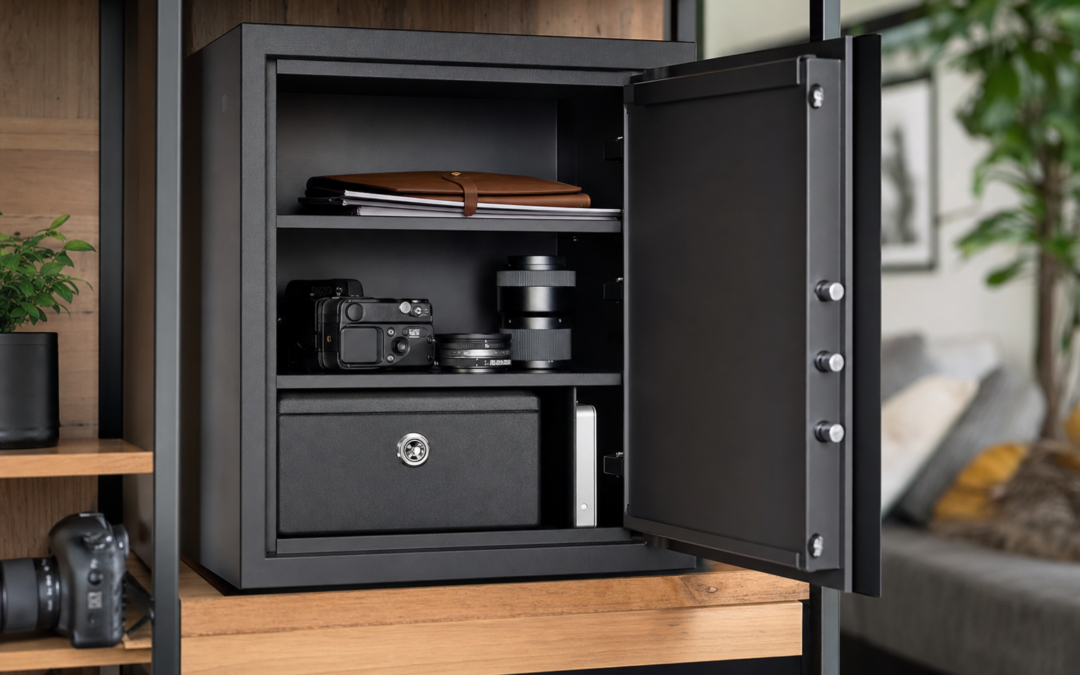
Storing important documents and small valuables securely at home is a growing priority for many Americans. Whether you want to protect birth certificates, passports, jewelry, or emergency cash, the right cabinet safe offers peace of mind and convenient access. But with so many options on the market, knowing what to look for—and what to avoid—can make all the difference in your home security strategy.
Cabinet safes are designed to fit discreetly inside closets, cupboards, or shelving units. They come in a range of sizes, locking mechanisms, and construction types, making them ideal for both renters and homeowners. Choosing the best safe for your needs means weighing factors like fire resistance, burglary protection, and ease of installation. In this guide, we’ll break down the most important considerations, highlight top-rated models, and help you make an informed decision for securing your most valuable possessions.
Why Choose a Cabinet Safe for Your Home?
Cabinet safes are a practical solution for anyone looking to store important documents or small valuables without dedicating floor space to a bulky safe. Their compact size allows for easy placement inside existing furniture or cabinetry, keeping contents hidden from casual view and out of reach from children or guests. Cabinet safes are also popular among renters because they don’t require permanent installation—many models can be secured with simple bolts or left freestanding for portability.
Beyond convenience, cabinet safes add an extra layer of protection against theft, fire, and accidental loss. Unlike simple locked drawers, a well-constructed safe can withstand tampering and deter opportunistic burglars. Many models also provide some degree of fire resistance, ensuring that critical documents survive in case of a household emergency.
How Cabinet Safes Differ from Other Home Safes
It’s easy to confuse cabinet safes with other types of home safes, but there are key differences. Floor safes and wall safes are typically larger and require more invasive installation, making them less suitable for renters or those with limited space. Portable lock boxes offer mobility but often lack the robust construction and security features of a dedicated cabinet safe.
Cabinet safes strike a balance between security and convenience. Their size makes them easy to conceal, and many models are designed specifically to fit within standard cabinetry. This makes them ideal for storing items like:
- Passports and birth certificates
- Legal documents (wills, deeds, insurance)
- Jewelry and small electronics
- Emergency cash or backup credit cards
- Prescription medications
For more on integrating safes with broader home security strategies, see our cameras and surveillance hub for tips on layered protection.
Key Features to Look for in Cabinet Safes
Not all cabinet safes are created equal. Before you buy, consider these crucial features to ensure your safe meets your security expectations:
- Size and Capacity: Measure the space where you plan to install the safe and determine what you’ll be storing. Most cabinet safes range from 0.1 to 1.0 cubic feet in capacity.
- Locking Mechanism: Options include keyed locks, electronic keypads, and biometric (fingerprint) locks. Each has pros and cons in terms of speed, reliability, and vulnerability.
- Construction Material: Look for solid steel bodies and doors for maximum resistance to prying or drilling. Thicker walls and reinforced hinges add to security.
- Fire and Water Resistance: Some cabinet safes offer ratings for fire and water protection, which are important for document storage.
- Mounting Options: Pre-drilled holes and included hardware make installation easier and help anchor the safe against theft.
- Interior Organization: Shelves, drawers, or padded interiors help keep contents organized and protected from scratches.
Keep these criteria in mind as you compare specific models and brands.
Best Cabinet Safes for Documents and Small Valuables: Our Picks
After extensive analysis, here are some of the best-reviewed and most practical cabinet safes available for securing your documents and small valuables at home:

SentrySafe Small Safe Review — An editorial look at this SentrySafe option for cabinet safes — specs first, marketing second. Key figures include 0.05 , 8 , 0.000625 pounds.

[UPGRADED] Small Safes for Home, 0.30 Cuft Mini Safe Box Review — An editorial look at this FOWORE option for cabinet safes — specs first, marketing second. Key figures include 2 , 0.30 , 6 .

23.6″ Tall Large Home Safe Review — A FOWORE pick in Cabinet Safes that focuses on real-world usability Key figures include 14.96, 12.20, 4 .
Fire and Water Protection: Is It Worth It?
One of the primary reasons for purchasing a cabinet safe is to protect sensitive documents from fire and water damage. While not all cabinet safes offer these features, some are rated for fire resistance (measured in minutes and temperature) or water resistance (measured in depth and duration of submersion).
If you’re storing irreplaceable items like birth certificates, wills, or family heirlooms, prioritize a safe with a verified fire rating. Look for independent certification (such as UL or ETL) that confirms the safe can withstand specific conditions. Keep in mind that fire resistance often adds to the weight and cost of a safe, and true waterproofing is rare in compact models—but even basic protection can make a difference in an emergency.
For those living in areas prone to flooding or wildfires, investing in a safe with both fire and water resistance is a smart move. Store documents in waterproof sleeves or pouches within the safe for added peace of mind.
Choosing the Right Lock Type for Your Needs
The locking mechanism is the first line of defense on any cabinet safe. Your options typically fall into three categories:
- Keyed Locks: Simple and reliable, but you need to keep track of the key. A good backup for electronic locks.
- Electronic Keypads: Allow for quick access with a PIN code. Many models offer multiple user codes and can be reprogrammed easily.
- Biometric Locks: Use fingerprint recognition for fast, keyless entry. Best for users who want convenience and quick access, but pay attention to quality—cheaper models may have unreliable sensors.
When choosing a lock, consider who will need access and how often. For shared safes, electronic or biometric options are generally more practical. Always look for safes with backup key override in case of battery failure or forgotten codes.
Installation Tips: Securing Your Cabinet Safe
Proper installation is essential for maximizing the security of your cabinet safe. Even the most robust safe loses its protective value if it can be easily removed from your home. Here’s how to ensure your safe stays put:
- Use the Included Hardware: Most cabinet safes come with bolts or anchors for securing to walls, floors, or shelves.
- Choose a Concealed Location: Install your safe inside a closet, behind cabinet doors, or within built-in shelving to keep it out of sight.
- Anchor to Solid Structures: Attach the safe to studs, concrete, or other sturdy surfaces—not just drywall or particle board.
- Test the Fit: Before bolting down, make sure the safe opens fully and isn’t obstructed by hinges or doors.
- Consider Portability: If you need to move the safe frequently (for example, as a renter), choose a model that balances weight and security.
Even a small cabinet safe can be a strong deterrent if properly anchored and concealed. Take the time to plan your installation for the best results.
Organizing Your Safe: Maximizing Space and Accessibility
A well-organized cabinet safe makes it easy to find what you need quickly, especially in an emergency. Here are some tips for keeping your safe tidy and efficient:
- Use Folders or Envelopes: Store documents in labeled folders or fireproof envelopes for easy sorting.
- Group Like Items: Keep similar items together—passports with birth certificates, jewelry in a separate pouch, etc.
- Inventory Contents: Maintain a written or digital list of what’s in the safe. This helps with insurance claims and keeps you from forgetting what’s stored.
- Rotate Contents: Periodically check and update what’s inside, removing outdated documents or expired cards.
- Use Interior Accessories: Some safes come with shelves, drawers, or foam padding to prevent items from shifting or scratching.
Taking a few extra minutes to organize your cabinet safe pays off in both usability and security.
Maintaining Your Cabinet Safe: Longevity and Reliability
Like any security device, a cabinet safe requires regular maintenance to stay effective. Here’s how to keep your safe in top shape:
- Check the Lock Mechanism: Test the lock (key, keypad, or biometric) every few months to ensure smooth operation.
- Replace Batteries: For electronic or biometric safes, change batteries at least once a year—or sooner if you notice slow response times.
- Inspect for Damage: Examine hinges, bolts, and the safe’s body for signs of tampering or wear. Address issues promptly.
- Clean the Exterior: Wipe down the safe with a soft, damp cloth to remove dust and maintain appearance. Avoid harsh chemicals.
- Store Keys Securely: If your safe uses a backup key, keep it in a separate, secure location (not inside the safe itself).
Regular maintenance ensures your safe is ready when you need it and extends its lifespan.
Common Mistakes to Avoid When Buying a Cabinet Safe
Even well-intentioned buyers can make missteps when choosing a cabinet safe. Watch out for these common pitfalls:
- Underestimating Size Needs: It’s better to have a little extra space than to outgrow your safe within a year.
- Ignoring Fire or Water Ratings: Don’t assume all safes are fire- or water-resistant. Check the specifications before you buy.
- Choosing Cheap Construction: Thin metal or plastic safes can be pried open easily. Invest in solid steel and trusted brands.
- Overlooking Installation: A safe that isn’t anchored can be stolen entirely. Always use the included hardware and follow the manufacturer’s instructions.
- Failing to Test Access: Make sure everyone who needs to use the safe can open it—practice with keys, codes, or fingerprints as needed.
Avoiding these mistakes helps you get the most value and security from your purchase.
Integrating Cabinet Safes into Your Home Security Strategy
A cabinet safe is only one piece of your overall home security puzzle. For maximum protection, combine your safe with other measures such as alarm systems, surveillance cameras, and smart locks. Even a basic surveillance setup can deter would-be thieves and provide valuable evidence in case of a break-in.
Place your cabinet safe in a less obvious location, and avoid discussing its presence with anyone outside your household. Use it for items that you need regular access to, but don’t keep all your valuables in one place—spreading them out reduces risk.
For more ideas on securing your home with layered defenses, explore our comprehensive cameras and surveillance hub.
Frequently Asked Questions About Cabinet Safes
- Can a cabinet safe be installed in any cabinet or closet?
Most cabinet safes are designed to fit standard cabinetry, but always measure before purchasing. Look for safes with flexible mounting options for best results. - How secure are electronic keypads compared to keyed locks?
Electronic keypads offer convenience and can be very secure, but they rely on battery power. Always choose models with backup key access. - Are small cabinet safes suitable for firearms?
Some small safes can store handguns, but always check local laws and use purpose-built gun safes for firearms when possible. - What should I store in a cabinet safe?
Ideal items include important documents, jewelry, cash, spare keys, and small electronics. Avoid storing items that require high humidity or temperature control. - Can I move my cabinet safe if I change homes?
Yes—most models can be unbolted and transported easily. Just be sure to reinstall it securely in your new location.
Conclusion: Making the Right Choice for Your Home
Choosing the best cabinet safe for your documents and small valuables is an investment in peace of mind. By considering your space, security needs, and the types of items you want to protect, you’ll be able to select a safe that fits seamlessly into your daily life. Remember to look for solid construction, reliable locking mechanisms, and (if needed) fire and water protection.
Proper installation and regular maintenance further enhance the security benefits of your cabinet safe. Combine your safe with other home protection measures—like surveillance cameras and smart locks—for a layered defense that keeps your family and your assets safe.
Whether you’re safeguarding birth certificates, precious jewelry, or emergency cash, the right cabinet safe keeps your most important possessions secure, accessible, and protected from life’s uncertainties. Take the time to research, compare, and choose wisely—the peace of mind is well worth the effort.

Amazon Basics Portable Security Case Lock Box Safe with Combination Lock Review — Practical cabinet safes from Amazon Basics, summarized from hub features and listed measurements. Key figures include 9.61417 , 3.17466 pounds.
Cabinet Safe Maintenance: Tips for Longevity and Reliability
Taking care of your cabinet safe ensures that it continues to provide reliable protection for years to come. Routine maintenance not only keeps the locking mechanism in top shape but also helps prevent issues that could compromise your valuables. Here are some essential maintenance tips to follow:
- Regular Cleaning: Wipe down the exterior and interior of your safe with a soft, dry cloth to remove dust and prevent buildup. Avoid using harsh chemicals or abrasive materials that could damage finishes or seals.
- Lubricate Moving Parts: If your safe has a mechanical lock or hinges, apply a small amount of graphite-based lubricant or a manufacturer-recommended product to keep them operating smoothly. Avoid over-lubricating, as excess oil can attract dust and grime.
- Check Battery Levels: For electronic keypad or biometric safes, check batteries every 6-12 months and replace them as needed. Low batteries can lead to lockouts or memory failures.
- Inspect for Moisture: Moisture can cause rust or mildew, especially if your safe is stored in a humid environment. Consider using a desiccant pack or dehumidifier inside the safe to protect sensitive documents and electronics.
- Test the Lock: Periodically test the locking mechanism and backup key to ensure they function correctly. This is especially important if you rarely access the safe.
- Review Fire/Water Seals: If your cabinet safe boasts fire or water resistance, inspect the seals for cracks or wear. Damaged seals can compromise protection during emergencies.
By following these simple steps, you can help guarantee that your safe remains a dependable part of your home security setup.
Common Mistakes When Using Cabinet Safes
Even the best cabinet safe can be rendered ineffective by user mistakes. Avoid these common pitfalls to maximize your safe’s security and usability:
- Choosing the Wrong Size: Underestimating your storage needs can lead to overcrowding or the need to purchase another safe. Take inventory of what you need to protect before buying.
- Poor Placement: Installing your safe in obvious locations, like the master bedroom closet, makes it easier for thieves to find. Opt for less conspicuous spots that still allow for easy access.
- Neglecting to Anchor: Failing to bolt down your safe makes it vulnerable to theft. Always use included hardware to secure it to a shelf or wall whenever possible.
- Sharing Combinations or Keys Widely: Only trusted household members should have access. Don’t write combinations in obvious places or share keys unnecessarily.
- Ignoring Maintenance: Skipping regular checks on batteries, locks, or seals can result in lockouts or reduced protection.
- Storing Prohibited or Hazardous Items: Most cabinet safes are not designed for firearms, ammunition, or chemicals. Follow manufacturer guidelines for safe contents.
- Relying Solely on the Safe: A cabinet safe should be part of a layered security approach, not your only defense against theft or disaster.
Being mindful of these mistakes can ensure that your investment in a cabinet safe truly pays off.
Cabinet Safe Checklist: Before You Buy & After Installation
Use this checklist to guide your purchase and setup process, ensuring you don’t overlook any critical steps:
- Measure your intended location (height, width, depth) and compare it to the safe’s external and internal dimensions.
- List the items you plan to store (documents, jewelry, cash, electronics) to ensure the safe is large enough.
- Evaluate security needs: Do you need fire or water resistance? What level of burglary protection is necessary?
- Choose a locking mechanism that matches your preferences for speed, convenience, and reliability.
- Check for anchoring options and verify that your intended location allows for secure mounting.
- Read user manuals and register your product with the manufacturer for warranty and support.
- Test the lock and backup entry methods immediately after installation to ensure they work as expected.
- Store backup keys and combinations in a secure but separate location.
- Document the contents (with photos or a list) for insurance purposes, but keep this inventory confidential and secure.
Following this checklist can streamline the process and help you avoid costly mistakes.
Frequently Asked Questions About Cabinet Safes
Can a cabinet safe be installed in a rental property?
Most cabinet safes are designed for easy installation and can be secured with minimal impact to your rental unit. Many models use pre-drilled holes and removable bolts, so you can uninstall the safe when you move. Always check with your landlord or review your lease agreement before making modifications to the property.
Are cabinet safes really fireproof?
No safe is completely fireproof, but many cabinet safes are rated as fire-resistant for a specified period and temperature (for example, 30 minutes at 1,400°F). Check the manufacturer’s fire rating and look for independent certification, such as UL or ETL, for peace of mind.
What should I do if I forget the combination or lose the key?
Most reputable safe manufacturers offer customer support for lost combinations or keys. You may need to provide proof of purchase and identification. Some safes also come with override keys or master codes—store these securely and separately from the safe itself.
Can I store electronics or hard drives in a cabinet safe?
Yes, but consider the safe’s fire and humidity protection. Paper documents and digital media have different requirements for heat and moisture resistance. If you plan to store hard drives, USBs, or backup tapes, look for safes with media-specific fire ratings or use additional protective cases.
How often should I change the batteries in an electronic cabinet safe?
It’s best to replace batteries every 6 to 12 months, or as soon as you notice any signs of low power (such as slow keypad response or warning lights). Always use high-quality, manufacturer-recommended batteries to avoid leakage or malfunctions.
Will a cabinet safe protect against water damage?
Some cabinet safes offer water resistance, but not all are waterproof. If water protection is important (for example, if you live in a flood-prone area), choose a model with a certified water-resistance rating and install it above floor level when possible.
How can I make my cabinet safe less noticeable?
Install your safe behind existing cabinet doors, within closets, or in utility rooms to keep it out of sight. Avoid obvious locations like master bedrooms. Consider disguising the safe with everyday objects or furniture to further reduce its visibility.
Our content is researched and drafted with AI assistance and reviewed by our team. Product details come from published specs, manufacturer information and owner reviews.