
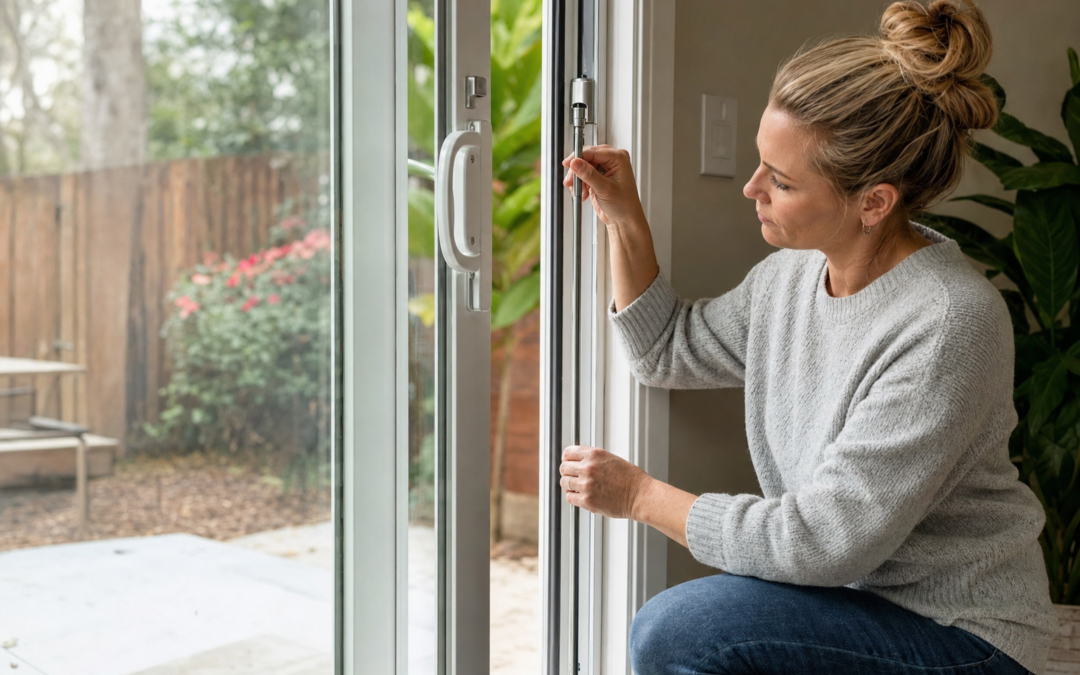
Sliding glass doors are a common feature in American homes, appreciated for the natural light and easy access they provide to patios and backyards. However, their convenience often comes with a tradeoff: security. These doors can be a vulnerable point for break-ins if not properly reinforced. Whether you’re a homeowner or a renter, understanding how to secure your sliding glass doors is critical for peace of mind.
This guide takes a deep dive into sliding glass door security, focusing specifically on the practical use of security bars and pin locks. You’ll learn the pros and cons of each method, installation tips, and how to choose products that fit your needs and budget. By the end, you’ll be equipped with actionable steps to make your sliding doors a tough target for intruders.
Why Sliding Glass Doors Need Extra Security
Unlike standard entry doors, sliding glass doors typically have weaker locking mechanisms and large glass panels that can attract opportunistic intruders. Standard latches, often made of lightweight metal or plastic, can be forced open with minimal effort or even pried loose with basic tools. Additionally, the design of sliding doors often means the lock is only engaged at a single point, making it easier to bypass than a deadbolt-equipped front door.
Statistics show that a significant percentage of residential break-ins occur through back doors or patio sliders. Criminals know these doors are often left unlocked or inadequately secured. Even when locked, the factory latch rarely withstands a determined attempt to force entry. That’s why adding a secondary physical barrier—like a security bar or pin—is one of the most effective upgrades you can make.
Understanding the Difference: Security Bars vs. Pin Locks
When it comes to securing a sliding glass door, two of the most popular enhancements are security bars and pin locks. Each method addresses the core vulnerability—preventing the door from sliding open—but in slightly different ways.
- Security bars (also called “charlie bars” or “door jammers”) are adjustable rods or bars that fit snugly into the track of the sliding door. When in place, they physically block the door from moving, even if the latch is defeated.
- Pin locks are metal pins or bolts that you install through the frame or track. When engaged, the pin prevents the door from being lifted or slid open, functioning much like a deadbolt but for your slider.
In practice, many homeowners use both methods together for layered security. If you’re unsure which to choose, consider your household’s needs: security bars are easy to remove for quick exits, while pin locks offer a more permanent, tamper-resistant solution.
How Security Bars Work (and What to Look For)
Security bars are among the simplest and most effective upgrades for sliding glass doors. The principle is straightforward: place a rigid bar in the lower track, and the door physically cannot slide open past it. This is true regardless of whether the lock is picked, jimmied, or broken.
When choosing a security bar, keep these considerations in mind:
- Material: Opt for solid steel or heavy-duty aluminum. Avoid lightweight plastic bars—they can snap under pressure.
- Adjustability: Most bars are telescopic or adjustable to fit various door widths. Measure your door’s track before buying.
- Ease of Use: Look for bars with simple locking mechanisms so they can be quickly removed in emergencies.
- Rubber Tips or Feet: These prevent scratching your door and keep the bar from slipping out of place.
Some bars are designed to fit in the lower track, while others can be mounted at arm height for convenience. Both options offer solid protection; your choice depends on household preferences and whether small children or pets might tamper with a bar on the floor.

Buddybar Door Jammer Home Security Door Bar Review — An editorial look at this Buddybar option for door stops — specs first, marketing second. Key figures include 2, 560 lbs, 8.2 lbs.
Installing a Security Bar: Step-by-Step
Most security bars can be installed in just a few minutes with minimal tools. Here’s a general installation guide:
- Measure the Track: With the door fully closed, measure the width of the sliding door’s track from the stationary panel to the edge of the sliding panel.
- Adjust the Bar: If your bar is telescopic, adjust it to fit snugly in the track. You want a tight fit, but not so tight that it damages the frame.
- Test the Fit: Place the bar in the track and try to open the door. The bar should firmly prevent movement.
- Mount (Optional): Some bars come with brackets you can screw into the frame for added stability. This is optional but increases security and convenience.
Always ensure that everyone in your household knows how to remove the bar quickly in case of emergency. If you have elderly family members or children, practice removing and reinstalling the bar so there’s no confusion.
What Are Pin Locks and How Do They Secure Sliding Doors?
Pin locks are a budget-friendly and highly effective way to reinforce sliding doors. These pins are usually installed above the factory latch and pass through the overlapping frames of the sliding and stationary panels, locking them together. A steel pin or bolt inserted through pre-drilled holes prevents the door from sliding or being lifted out of its track.
Advantages of pin locks include:
- Low profile: Unlike security bars, pin locks don’t obstruct the track and are less noticeable.
- Permanence: Once installed, the lock is always ready to use. Simply insert or remove the pin as needed.
- Lifting Protection: Many sliding doors can be lifted out of their tracks if not properly secured. A pin lock prevents this by anchoring the moving panel to the stationary one.
Pin locks are an excellent supplement to any track-based security device and can be installed on most aluminum, wood, or vinyl sliding doors.

“Nuk3y Sliding Window Security Locks (Aluminum, )” Review — NUK3Y PRODUCTS K3 locks & latches gear aimed at buyers who want clear specs before they click through. Key figures include 1, 8 inch, 10.
Installing a Pin Lock: What You Need to Know
Installing a pin lock requires basic tools and minimal DIY experience. Here’s how to do it safely and effectively:
- Choose the Placement: Mark a spot above the existing latch, where the sliding and stationary frames overlap when closed. Ensure the spot is accessible but out of reach of small children.
- Drill the Pilot Hole: Using a drill and the bit size recommended by your lock’s instructions, drill through the first layer of the frame and into the second.
- Insert the Lock: Slide the pin or bolt through the holes. Test to confirm the door is immobilized.
- Secure the Pin (Optional): Some products come with a retaining chain or clip to prevent loss. Attach as needed.
Take care not to drill too deep or at an angle, as this can damage the door frame. Double-check your measurements before making any holes, and always follow the manufacturer’s directions for your specific product.
Layering Your Security: Using Bars and Pins Together
For maximum security, many experts recommend using both a security bar and a pin lock. This layered approach makes it extremely difficult for an intruder to force entry, even if they manage to bypass one device. Here’s why the combination works:
- Redundancy: If one device fails (e.g., the bar is removed or the pin is not engaged), the other still provides protection.
- Different Attack Vectors: Security bars block sliding movement, while pin locks prevent both sliding and lifting.
- Peace of Mind: Knowing you’ve taken multiple steps to secure your home reduces anxiety and deters would-be intruders, who often look for the easiest target.
When installing both, make sure all family members know how to operate and remove each device quickly, especially in fire or emergency situations.
Choosing the Right Security Products for Your Home
Not all sliding glass door security products are created equal. When shopping for security bars, pin locks, or other accessories, consider the following:
- Material quality: Solid steel or reinforced aluminum is best. Avoid products with plastic components at critical stress points.
- Adjustability and compatibility: Check product specs to ensure a proper fit for your door’s dimensions and frame material.
- Ease of installation: Some products require drilling or screwing into the frame, which may not be suitable for renters. Look for no-drill options where needed.
- Safety certifications: UL-listed or ANSI-rated products have been independently tested for strength and durability.
- User reviews and expert recommendations: Read feedback and look for products with a track record of reliability, like those featured on our home security hub.
Remember: the best security device is the one you will use consistently. Choose solutions that fit your lifestyle and household routines.

Addalock The Original Portable Door Lock for Travel & Home Security Review — A Addalock pick in Latches & Bolts that focuses on real-world usability Key figures include 2, 5.8 , 0.62 pounds.
Additional Tips for Sliding Glass Door Security
While bars and pins are essential, there are several other steps you can take to reinforce your sliding doors:
- Reinforce the factory latch: Upgrade to a heavy-duty lock or install a secondary latch for extra resistance.
- Install shatter-resistant film: Security window film holds glass together if broken, slowing down forced entry attempts.
- Add a security sensor: Wireless alarms or contact sensors alert you to unauthorized door movement.
- Pin the upper track: Prevent “lifting” attacks by driving screws or pins into the upper track, leaving just enough clearance for normal movement.
- Maintain landscaping: Trim shrubs or trees near your patio to eliminate hiding spots for intruders.
These measures, combined with a quality security bar and pin lock, greatly reduce your risk of break-ins.
Common Mistakes to Avoid When Securing Sliding Doors
Even well-intentioned homeowners can make mistakes that compromise their security upgrades. Here are some of the most common errors—and how to avoid them:
- Relying solely on the factory latch: Most stock locks are easily bypassed. Always supplement with a physical barrier.
- Improper installation: A poorly fitted bar or misaligned pin lock may provide a false sense of security. Double-check all installations.
- Neglecting emergency exits: Don’t block the door so securely that you or your family can’t escape in an emergency. Practice removing bars or pins quickly.
- Using flimsy materials: Cheap plastic bars or pins will not withstand a determined attack. Invest in products made for security, not just appearance.
- Forgetting maintenance: Over time, tracks can become misaligned and locks can loosen. Check and test your security devices regularly.
A little planning and attention to detail can make all the difference in keeping your home safe.
Security for Renters: No-Drill and Portable Options
If you rent your home or apartment, you may not be allowed to make permanent modifications to doors and frames. Fortunately, there are still effective ways to secure your sliding glass doors without drilling holes or leaving marks.
- Portable security bars: Many bars are completely removable and require no installation. Simply adjust to fit and place in the track when needed.
- No-drill pin locks: Some pin locks use adhesive brackets or clamp onto the frame. Check product specs to verify suitability for your door type.
- Removable window locks: Clamp-style devices can be attached to the upper or lower track to prevent sliding, then removed when you move out.
- Temporary alarms: Battery-powered contact alarms can be attached with adhesive and removed without damage.
Always check with your landlord or property manager before installing any device that could alter the door or frame. Focus on gear that balances security with respect for your rental agreement.
Maintenance and Safety Checks for Long-Term Security
Security upgrades are only effective if they’re maintained over time. Here’s how to keep your sliding glass door defenses working optimally:
- Inspect the track: Clean and lubricate regularly to prevent jams or misalignment.
- Test security devices: Monthly, remove and reinstall your security bars and pin locks to ensure smooth operation and fit.
- Check for wear: Look for signs of rust, bending, or fatigue on bars and pins. Replace any component that shows weakness.
- Review emergency procedures: Make sure all family members remember how to remove bars and pins quickly in case of fire or evacuation.
- Update as needed: If you replace your door or upgrade to new hardware, reassess your security needs and devices.
Consistent maintenance not only extends the life of your security products but also ensures your home remains protected year after year.

Door Lock for Front Door Kids Safety Home Security Door Reinforcement Locks Review — WINONLY latches & bolts gear aimed at buyers who want clear specs before they click through. Key figures include 3, 8 , 5 minutes.
Summary: Key Takeaways for Sliding Glass Door Security
Securing your sliding glass door doesn’t have to be complicated or expensive. The combination of a solid security bar and a properly installed pin lock forms a robust physical barrier that deters most intruders. For best results:
- Choose sturdy, well-reviewed products designed for security, not just aesthetics.
- Install both a security bar and a pin lock for layered protection.
- Practice emergency removal procedures with your household.
- Supplement with additional measures like reinforced latches, window film, and door alarms as needed.
- Maintain your devices and review your security setup annually.
For more detailed product reviews, installation guides, and home security strategies, visit our comprehensive home security hub. With the right approach, your sliding glass doors can be a bright spot in your home—without being a weak spot for security.
Sliding Glass Door Security Maintenance Tips
Properly securing your sliding glass door is only the first step—ongoing maintenance ensures that your security measures remain effective over time. Here are some essential maintenance tips to keep your security bar and pin lock in top condition:
- Inspect regularly: Check your security bar and pin lock at least once a month for signs of wear, rust, or damage. Look for bent metal, loose fittings, or corrosion, especially if your door is exposed to outdoor humidity.
- Lubricate moving parts: Apply a small amount of silicone spray or graphite lubricant to any moving or telescoping parts of the bar, as well as the pin mechanism, to prevent sticking or jamming.
- Clean the door track: Dirt and debris in the track can affect both the door’s function and the fit of your security bar. Vacuum and wipe down the track regularly.
- Tighten screws and brackets: If your security bar or pin lock uses screws or mounting brackets, check them periodically to ensure they haven’t worked loose with use.
- Replace damaged components: If any part of your security bar or pin system is compromised, replace it immediately. A weakened device can give a false sense of security.
Routine care not only extends the life of your security devices but also ensures that they function reliably in an emergency.
Common Mistakes to Avoid with Sliding Door Security
Even the best security products can be rendered ineffective by improper use or installation. Avoid these common mistakes to maximize your sliding glass door’s protection:
- Relying solely on the factory lock: Many homeowners assume the built-in latch is sufficient. Always supplement with a security bar or pin lock.
- Incorrect bar length: A security bar that is too short or too long won’t fit snugly, reducing its effectiveness. Always measure your door before purchasing or installing.
- Improper placement: Placing the bar or pin in the wrong location can allow the door to slide open partially or be lifted out of the frame. Follow manufacturer instructions closely.
- Neglecting emergency egress: In case of fire or other emergencies, you need to exit quickly. Choose security solutions that can be easily removed from the inside.
- Forgetting to engage the device: Security bars and pins only work when in place. Make it a habit to secure your door every time you lock up.
- Ignoring glass vulnerabilities: Remember, security bars and pins prevent sliding but don’t reinforce the glass itself. Consider shatter-resistant film or sensors as additional layers.
By steering clear of these pitfalls, you’ll create a more robust security setup without sacrificing safety or convenience.
Sliding Glass Door Security Checklist
Use this checklist to ensure your sliding glass door security is comprehensive and up to date:
- ✔ Door track is clean and free of debris
- ✔ Security bar fits snugly and is made of durable material
- ✔ Pin lock is properly installed and engaged when the door is closed
- ✔ All mounting hardware is tight and undamaged
- ✔ Glass is covered with security film or equipped with a sensor (optional for added protection)
- ✔ Security devices are easy to remove from the inside for emergency exits
- ✔ All household members know how to operate security features
- ✔ Devices are checked and maintained monthly
Regularly running through this checklist helps ensure your sliding glass door remains a tough target for would-be intruders.
Frequently Asked Questions About Sliding Glass Door Security
Can I use both a security bar and a pin lock at the same time?
Absolutely. In fact, many security experts recommend using both for layered protection. The security bar prevents the door from sliding, while the pin lock stops it from being lifted or forced. Together, they address the main vulnerabilities of most sliding glass doors.
Are security bars safe for homes with children or elderly residents?
Yes, but it’s important to choose a model that can be easily removed from the inside in case of emergency. Some bars mount higher up, out of children’s reach, or feature quick-release mechanisms. Always ensure that all household members know how to disengage the device quickly if needed.
Will a security bar damage my door or track?
Most modern security bars have rubberized or padded ends to prevent scratching and minimize pressure on the frame. However, using an improperly sized or overly tight bar can cause damage over time. Always follow installation instructions and avoid forcing the bar into place.
Do I need to hire a professional to install a pin lock?
Most pin locks can be installed by a homeowner with basic tools such as a drill and screwdriver. However, if you’re uncomfortable drilling into your door frame or want a perfectly aligned installation, a locksmith or handyman can assist for a modest fee.
What other upgrades can I add for sliding glass door security?
Beyond bars and pins, consider adding shatter-resistant window film, glass break sensors, security cameras, or motion-activated lighting near your sliding door. These additions further deter intruders and provide peace of mind.
Our content is researched and drafted with AI assistance and reviewed by our team. Product details come from published specs, manufacturer information and owner reviews.