
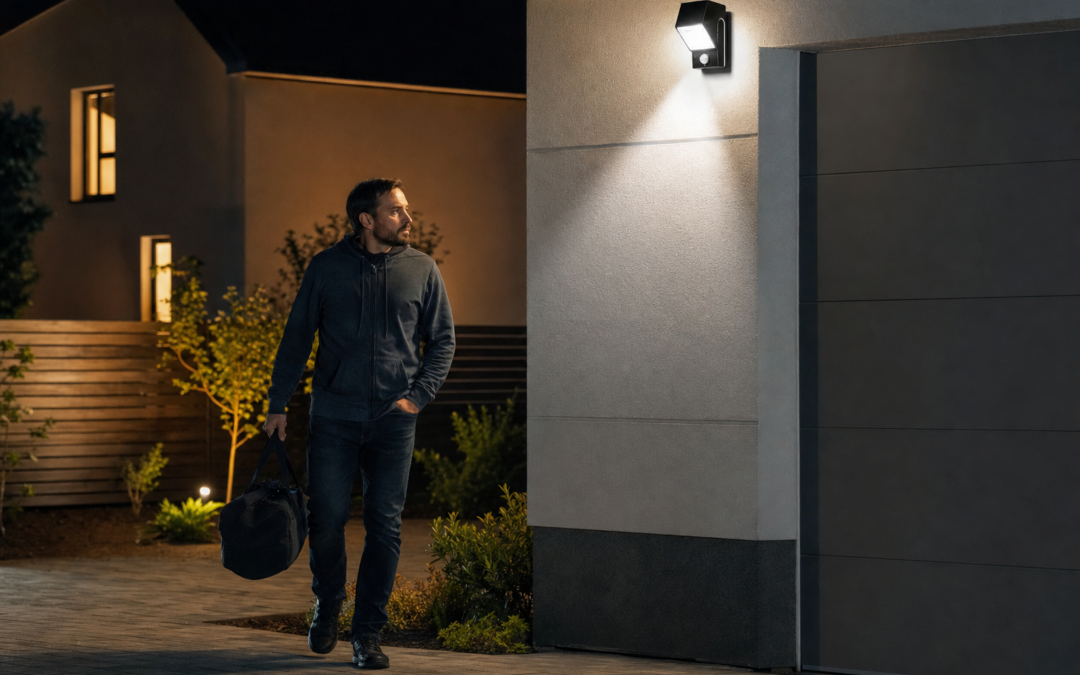
Installing motion-activated lights is one of the most effective ways to boost the security of your home’s exterior. However, poorly positioned motion lights can create headaches for neighbors by shining into their windows or triggering false alarms. A neighbor-friendly approach keeps your property secure without causing unwanted light trespass or tension with the people next door.
In this guide, you’ll learn practical strategies for motion light placement that maximize your outdoor security while minimizing nuisance factors. Whether you’re lighting up a driveway, porch, or dark side yard, these tips will help you maintain good neighbor relations and comply with local lighting ordinances.
Why Neighbor-Friendly Motion Lighting Matters
Motion lights are designed to deter intruders and provide safe, visible pathways at night. But if not installed thoughtfully, they can annoy neighbors, spark disputes, or even violate city lighting codes. Common complaints include:
- Intense beams shining through bedroom windows
- Lights triggered by people or pets on neighboring property
- Frequent flashing that disrupts sleep or privacy
Respectful lighting not only keeps the peace but also enhances your home’s security. If neighbors are comfortable, they’re more likely to look out for your property and alert you to genuine concerns. For a broader look at outdoor security strategies, check out our outdoor security hub.
Understanding Your Lighting Goals
Before installing any motion lights, clarify your priorities. Are you lighting a walkway for safety? Deterring trespassers near a fence? Or simply illuminating entry points like doors and garages? Each objective may require a different lighting approach. Over-lighting can be as much of a problem as under-lighting.
Ask yourself:
- Which areas are high-risk or frequently used after dark?
- Is wide-area floodlighting necessary, or will focused, lower-intensity lights suffice?
- Are there existing streetlights or neighbor lights that provide some coverage?
Once you know your goals, you can choose the right motion sensors and light fixtures for the job.
Choosing the Right Motion Light Fixtures
Not all motion lights are created equal. Modern options allow for precise adjustment of sensitivity, range, and illumination direction. When selecting fixtures, look for features such as:
- Adjustable sensor range: Limit detection to your own property lines.
- Directional heads: Point light exactly where needed, avoiding neighbor windows.
- Lumen control: Lower brightness can still offer security without excessive glare.
- Shielded designs: Hoods or baffles help prevent unwanted spillover.
- Multiple lighting modes: Some fixtures offer dusk-to-dawn, dim, and motion-activated settings for flexibility.
It’s also smart to choose energy-efficient LED models and, where possible, solar-powered units for easier installation and lower running costs.
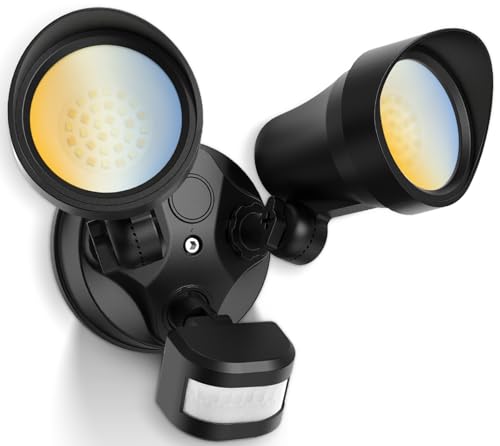
ALUSSO Motion Sensor Outdoor Lights Review — A ALUSSO pick in Flood & Security Lights that focuses on real-world usability Key figures include 120V, 108V, 3 .
Strategic Placement: Where to Install Motion Lights
Correct placement makes all the difference for both effectiveness and neighbor comfort. Here are key guidelines to follow:
- Mount lights at entrances: Focus on doors, porches, and garage entryways rather than wide-open spaces.
- Keep lights within your property: Position fixtures so their beams do not cross property lines or shine into adjacent yards.
- Angle downward and away from windows: Install lights high enough to avoid glare but angled so they illuminate only necessary areas.
- Use shields or baffles: Add accessories or choose fixtures with built-in shields to restrict the spread of light.
- Set back from fences: Avoid placing motion lights directly on property edges where they may trigger with neighbor activity.
Consider walking your property at night to spot dark spots and visualize where light will fall before mounting anything permanently.
Adjusting Sensitivity and Range
Most modern motion lights let you adjust their sensor sensitivity and detection range. Out-of-the-box settings are often too broad, causing frequent triggers from passing cars, pets, or people on neighboring lots. To avoid this:
- Start with the lowest sensitivity and gradually increase it until the light reliably triggers for desired activity on your property.
- Set the detection distance to cover only your driveway, walkway, or entryway, not the street or neighbor’s yard.
- Some fixtures allow you to mask specific parts of the sensor’s field of view with included covers or tape.
Test after dark with a friend or family member walking the intended area, and fine-tune as needed. Don’t forget to check how the light behaves in different weather, as rain and wind-blown branches can cause false triggers.

Aootek Solar Motion Sensor Lights Outdoor 120 LEDs Review — Aootek step lights gear aimed at buyers who want clear specs before they click through. Key figures include 1, 15 , 26 feet.
Managing Light Intensity and Beam Spread
Brighter isn’t always better when it comes to neighbor-friendly security lighting. Intense beams can be blinding and travel far beyond your property. Look for fixtures with adjustable brightness or choose models rated at 1000 lumens or less for most residential settings. Additional tips:
- Use frosted or diffused lenses: These soften the light and reduce harsh glare.
- Install shields or angle cutoffs: Many lights allow for snap-on accessories that limit beam spread.
- Opt for warm white color temperatures (2700K-3000K): These are less intrusive than cool white or blue-tinted LEDs.
For larger areas, multiple low-output lights may be better than a single high-powered floodlight. This approach creates even coverage without hotspots or spillover.
Solar vs. Hardwired Motion Lights
Solar-powered motion lights are increasingly popular for their ease of installation and energy savings. However, their light output and reliability depend on sun exposure. Hardwired models typically offer more consistent performance and higher brightness but require access to electrical wiring.
- Use solar lights for outbuildings, fences, and areas far from existing power sources.
- Choose hardwired lights for main entrances, garages, and high-traffic zones.
- Regardless of type, ensure the fixture’s motion sensor is shielded from headlights, streetlights, and neighbor activity.
Solar lights can be repositioned more easily if you discover they’re a nuisance, making them a good option for trial-and-error placement.

BesLowe 13″ Upgraded Motion Sensor Outdoor Wall Light Fixture Review — An editorial look at this BesLowe option for wall lights — specs first, marketing second. Key figures include 3 , 13in, 5 .
Complying with Local Lighting Ordinances
Many cities and homeowner associations have rules about outdoor lighting to prevent light pollution and neighbor disputes. Requirements may include:
- Maximum allowed brightness (measured in lumens or “foot-candles”)
- Prohibited hours for certain types of lighting (e.g., overnight floodlights)
- Restrictions on lights facing the street or neighboring properties
- Mandates for shielded or downward-facing fixtures
Check with your municipality or HOA before installing new outdoor lights. Non-compliance can result in fines or required removal, regardless of your intent. Even if you aren’t covered by specific rules, following these principles shows respect for your neighbors and the environment.
Techniques to Reduce False Triggers
One of the biggest sources of neighbor complaints is motion lights that activate too often, especially from unrelated movement. To minimize unnecessary activations:
- Trim plants and shrubs near sensors: Wind-blown branches can set off lights repeatedly.
- Mount lights away from HVAC units or vents: Rising heat or exhaust can trigger motion sensors.
- Angle sensors downward and away from streets, sidewalks, and neighboring yards.
- Use “pet immune” sensors: Some models are designed to ignore small animals.
- Limit sensor coverage with physical barriers: Fencing or landscaping can block unwanted detection zones.
Regularly test your setup, especially after seasonal changes or landscape work, to ensure lights activate only when truly needed.
Communicating with Neighbors Before Installation
Even with careful planning, it’s wise to let adjacent neighbors know if you’re installing new motion lights. A brief conversation or note explaining your intentions can prevent misunderstandings. Tips for a positive approach:
- Explain that the lights are for your family’s safety, not surveillance of their property.
- Ask if there are any windows or areas where light spill would be especially disruptive.
- Offer to demonstrate the placement and make adjustments if needed.
- Provide your contact information for feedback after installation.
Open communication helps build goodwill and ensures that any issues are resolved quickly and amicably.
Best Practices for Ongoing Maintenance
Well-maintained motion lights work better and are less likely to become a nuisance over time. Regular upkeep includes:
- Cleaning sensor lenses and light covers: Dirt and spiderwebs can affect performance and trigger errors.
- Checking alignment: Fixtures can shift due to wind, weather, or accidental bumps.
- Replacing bulbs or batteries as needed: Dimming lights may not provide intended coverage or may operate erratically.
- Reassessing placement after landscaping changes: New trees, fences, or structures can alter how light spreads.
Set a seasonal reminder to review all outdoor security lights, especially after storms or major yard work.

HMCITY 120 LED Outdoor Solar Lights with Motion Sensor and 3 Lighting Modes Review — Practical wall lights from HMCITY, summarized from hub features and listed measurements. Key figures include 1, 3, 30.
Alternative Neighbor-Friendly Security Lighting Ideas
If motion lights still seem likely to cause issues, consider these alternatives or complements:
- Low-voltage path lights: Provide gentle, continuous illumination for walkways without harsh beams.
- Smart lighting systems: App-controlled lights can be set to schedules, dimmed remotely, or triggered only by specific events.
- Timer-based porch or entry lights: Turn on only during high-traffic hours and off when neighbors are sleeping.
- Camera-integrated lights: Some security cameras have built-in lights that activate only for human-sized motion, reducing false triggers.
Layering different types of lighting can create a secure environment that’s sensitive to both your needs and your neighbors’ comfort.
Recap: Key Steps for Neighbor-Friendly Motion Light Placement
To ensure your motion-activated security lights protect your home without becoming a neighborhood nuisance, remember to:
- Define your lighting goals and use the minimum brightness and coverage needed.
- Choose fixtures with adjustable sensors, directionality, and shielded designs.
- Position lights away from property lines and angle them downward to avoid spillover.
- Fine-tune sensitivity and beam spread to reduce false triggers and prevent light trespass.
- Comply with local ordinances and talk to neighbors before installation.
- Perform regular maintenance and be open to feedback or adjustments.
By following these best practices, you can enjoy improved security and peace of mind while maintaining good relationships with those living near you.
Motion Light Placement Checklist
Before finalizing your motion light installation, use this checklist to ensure your setup is both effective and considerate:
- Define Your Goals: Clearly identify which areas you want to illuminate and why.
- Check Local Ordinances: Review any city or HOA guidelines regarding outdoor lighting placement, brightness, and hours of operation.
- Inspect Property Lines: Confirm the exact boundary to avoid accidental light trespass.
- Test Light Angles: Temporarily mount or hold fixtures in place after dark to see where beams fall before drilling or permanent installation.
- Adjust Sensor Settings: Set sensitivity and range to the minimum required for reliable activation.
- Use Shields or Hoods: Install any included accessories to direct beams downward and away from neighboring windows.
- Communicate with Neighbors: Let adjacent homeowners know about your plans and ask if the proposed setup will cause issues for them.
- Finalize Installation: Secure fixtures, double-check their aim, and tidy up any visible wiring for a professional look.
Following these steps helps create a secure, neighbor-friendly lighting environment.
Common Motion Light Placement Mistakes
Even with the best intentions, many homeowners make mistakes that can turn a helpful security measure into a nuisance. Avoid the following pitfalls:
- Over-illumination: Using fixtures that are too bright (high lumens) for the area, causing glare and light pollution.
- Poor Angling: Pointing lights horizontally instead of downward, resulting in beams that travel far beyond your property.
- Ignoring Sensor Range: Failing to adjust the motion sensor, so it triggers for activity outside your yard or on the street.
- Placing Lights on Property Edges: Mounting fixtures on fences or boundary walls where they’re easily triggered by neighbors or passing animals.
- Neglecting Neighbor Feedback: Not checking in with neighbors after installation, missing a chance to correct problems before they escalate.
- Forgetting to Maintain: Allowing fixtures to get dirty or misaligned over time, which can change their aim and effectiveness.
Awareness of these mistakes—and how to avoid them—will help you keep your lights functional and neighborly.
Maintaining Your Motion Lighting System
Proper maintenance ensures your motion lights continue to work reliably and remain considerate of neighbors. Here are some ongoing care tips:
- Regular Cleaning: Wipe down lenses and sensors every few months to prevent dust or spider webs from reducing sensitivity or diffusing light beams.
- Check Alignment: After storms, wind, or accidental bumps, verify that fixtures are still aimed correctly and haven’t shifted toward unintended areas.
- Test Sensors: Walk through the detection zones periodically to confirm the lights activate as intended and not for unwanted motion.
- Replace Bulbs Promptly: Burned-out bulbs can create dark spots, while new bulbs should be matched for brightness and color temperature to avoid sudden changes.
- Monitor Neighbor Impact: Ask neighbors occasionally if your lights are causing any new issues, especially after making adjustments or upgrades.
Consistent upkeep not only preserves your security but also protects your relationship with those living nearby.
Frequently Asked Questions About Motion Light Placement
How can I test if my motion light bothers my neighbor?
The simplest way is to observe the light from your neighbor’s perspective after dark. Stand at different points in their yard (with permission) or view from the street to see if beams shine into windows or across property lines. You can also politely ask your neighbor if the light is intrusive and adjust as needed.
What’s the best height for mounting motion lights?
For most residential applications, mounting motion lights 6 to 10 feet above ground level works well. This height allows for broad coverage while making it easier to angle beams downward, reducing the risk of light trespass.
Can I use timers or smart controls with motion lights?
Absolutely. Many modern motion lights are compatible with smart home systems or have built-in timer features. Scheduling lights to remain off during times when neighbors are most sensitive (such as late at night) can further reduce nuisance.
What kind of bulb is least likely to cause glare?
LED bulbs with a warm color temperature (2700K–3000K) and moderate lumen output are generally the least glaring. Look for fixtures with frosted lenses or diffusers for softer illumination.
What should I do if a neighbor complains about my light?
Listen to their concerns and inspect the light’s placement and settings. Often, simple adjustments to angle, brightness, or sensor range can resolve the issue. Showing willingness to cooperate goes a long way toward maintaining good relations.
Do I need permission to install motion lights?
On your own property, you generally don’t need explicit permission. However, if you live in a community with a homeowners association (HOA) or local lighting ordinances, check for any specific rules before installing. Always avoid mounting anything directly on shared fences or property lines without agreement.
How to Handle Specific Placement Challenges
Some properties present unique challenges that require extra care in motion light placement. Here are solutions for common tricky scenarios:
- Shared Driveways: Use fixtures with sharply defined detection zones and shields to ensure only your side is illuminated. Communicate with your neighbor to agree on placement.
- Corner Lots: Limit coverage to your yard by choosing lights with adjustable heads and range controls. Avoid aiming across sidewalks or into traffic.
- Narrow Side Yards: Opt for low-lumen path lights or wall-mounted fixtures aimed strictly at the ground. Consider motion lights with very short range to avoid triggering from the neighbor’s side.
- Elevated Patios or Decks: Angle fixtures downward and use shields to prevent beams from traveling into adjacent second-story windows.
Creative use of modern fixtures and accessories can resolve most placement challenges without sacrificing security.
Neighborly Communication Tips
Open communication is one of the best ways to prevent light disputes. Here’s how to keep things friendly:
- Give Advance Notice: Let neighbors know before you install new motion lights, especially if the area is close to their property.
- Offer Demonstrations: After installation, invite neighbors to see the lights in action and share any concerns.
- Be Responsive: If a neighbor reports a problem, thank them and make adjustments quickly.
- Share Benefits: Explain how the lights improve security for both properties, and encourage neighbors to notify you if they spot suspicious activity.
Goodwill and transparency can turn a potential annoyance into a shared security upgrade.
Resources for Further Guidance
For more detailed advice on outdoor lighting and neighbor relations, consider these resources:
- International Dark-Sky Association: Lighting for Citizens – Tips on reducing light pollution and respecting neighbors.
- U.S. Department of Energy: Outdoor Lighting Basics – Guidance on efficient, effective outdoor lighting.
- Dealing with Neighbor Disputes Over Security Cameras – Related tips that also apply to lighting etiquette.
Staying informed helps you make the best choices for your property and your community.
Our content is researched and drafted with AI assistance and reviewed by our team. Product details come from published specs, manufacturer information and owner reviews.