
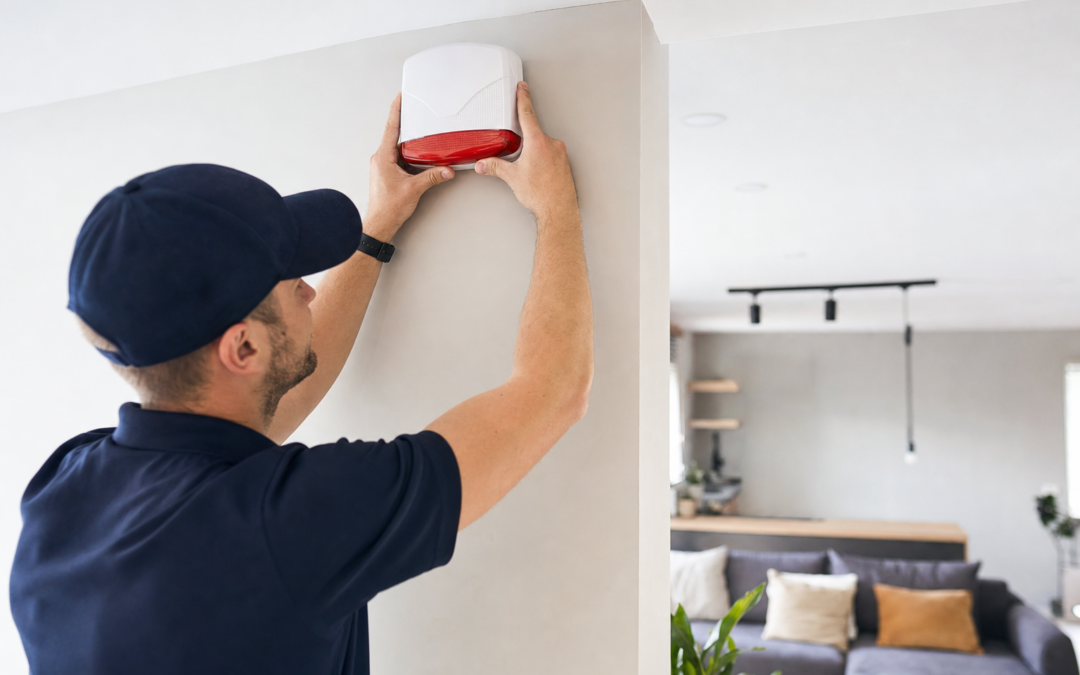
When it comes to home security, sirens and strobes play a critical role in both alerting occupants and deterring intruders. The effectiveness of these devices is not just about their volume or brightness—it’s also about where and how you install them. Proper placement ensures that sirens are heard throughout your property and that strobe lights are visible from key vantage points, maximizing both safety and response times.
Many homeowners underestimate the importance of strategic siren and strobe placement. Even the loudest alarm can be muffled by closed doors, thick walls, or poorly chosen locations. This guide will walk you through the factors to consider, common mistakes to avoid, and actionable advice for achieving optimal audible and visual coverage in your home defense setup.
Understanding the Role of Sirens and Strobes
Sirens and strobes are fundamental components of a comprehensive security system. Sirens are designed to produce a loud, attention-grabbing sound that can alert residents, neighbors, and even scare off potential intruders. Strobes, on the other hand, emit flashes of bright light to visually signal an alarm event—useful for those who are hard of hearing, and as a visual deterrent to trespassers.
When paired together, these devices provide both audible and visual cues, ensuring that an alarm event is communicated effectively. The goal is to maximize their reach so that no matter where you or others are on the property, you’re quickly made aware of an emergency.
Key Factors for Optimal Siren and Strobe Placement
Getting the most out of your siren and strobe setup requires attention to several important factors:
- Coverage Area: Consider the size and layout of your home. Larger homes may need multiple units to ensure full coverage.
- Sound Obstructions: Walls, floors, and closed doors can significantly dampen sound. Place sirens in open areas or near hallways to reduce muffling.
- Visibility: Strobes should be visible from commonly occupied areas and entry points. Avoid installing them behind furniture or in corners where flashes may be blocked.
- Power Source: Know whether your devices are battery-powered, hardwired, or plug-in. Choose locations with easy access to power or plan for regular battery checks.
- Accessibility: Sirens and strobes should be placed out of easy reach to prevent tampering but still accessible for maintenance.
Common Mistakes in Siren and Strobe Placement
Many security setups fall short simply because of poor placement. Some of the most common mistakes include:
- Installing in Enclosed Spaces: Sirens placed inside closets or cabinets will have their sound drastically muffled.
- Single Device Reliance: Depending on just one siren or strobe for the whole house, especially in multi-story homes, often leaves gaps in coverage.
- Ignoring Outdoor Coverage: Sirens and strobes facing only inward won’t alert neighbors or deter intruders approaching from outside.
- Blocking Visual Alerts: Strobes hidden behind drapes, shelves, or other obstructions lose their effectiveness.
- Easy Tampering: Low or easily accessible placements may allow an intruder to disable the device quickly.
Best Practices for Indoor Siren and Strobe Installation
For most US homes, placing sirens and strobes indoors is the first line of defense. Here are some practical tips for maximizing their effectiveness:
- Main Hallways: Install a central siren/strobe unit in a main hallway on each floor. This helps sound and light travel throughout the space.
- Near Bedrooms: Place a siren or strobe near sleeping areas to ensure you’ll wake up in case of a nighttime alarm.
- Entryways: Position strobes so they’re visible from main entry doors and windows where intrusions are most likely.
- Ceiling or High Wall Mounts: Mounting devices high up prevents tampering and helps signals travel over furniture and obstacles.
- Multi-Room Coverage: In larger homes, consider interconnected sirens or adding additional units in distant rooms or basements.
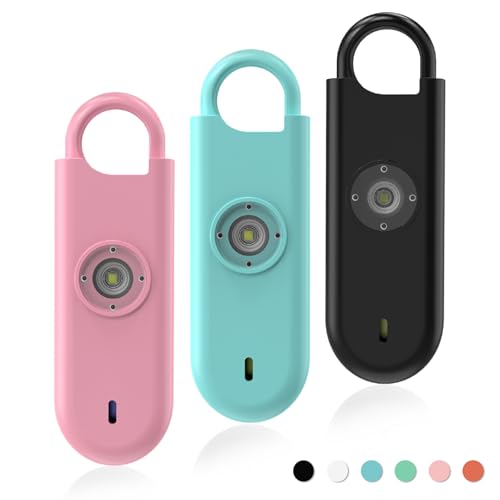
Fauxomor 140dB Personal Safety Alarm for Women Self Defense Keychain Review — Fauxomor horns & sirens gear aimed at buyers who want clear specs before they click through. Key figures include 140, 10, 60 minutes.
Outdoor Siren and Strobe Placement for Maximum Deterrence
Outdoor sirens and strobes serve two key functions: alerting neighbors and passersby, and letting an intruder know they’ve triggered an alarm. Strategic placement outdoors is just as important as inside.
- Above Entry Points: Mount sirens and strobes above main entrances, garage doors, and other access points so they’re easily seen and heard.
- Visible, Not Accessible: Place units high enough to be visible to neighbors but out of arm’s reach to prevent tampering.
- Facing the Street: Position strobes so they can be seen from the street or by nearby homes, amplifying the deterrent effect.
- Weather Considerations: Use weatherproof models and avoid locations exposed to direct rainfall or snow accumulation.
- Garage and Outbuildings: Don’t forget to cover detached garages, sheds, or workshops that may be targeted by burglars.
Integrating Sirens and Strobes with Other Security Devices
For comprehensive security, your sirens and strobes should work in tandem with other devices like sensors, cameras, and smart home systems. Integration can enable:
- Automated Triggers: Set up your system so motion sensors, door/window sensors, or glass break detectors automatically trigger the siren and strobe.
- Remote Alerts: Some smart sirens can send alerts to your phone, so you’re notified even if you’re not at home.
- Multiple Zones: Create different alarm zones (e.g., garage, basement, upstairs) that activate specific sirens/strobes for targeted coverage.
- Manual Activation: Personal safety alarms and panic buttons can instantly trigger audible and visual alerts when needed.
For a closer look at how these products perform in real-world settings, check out our expert reviews and buying guides.

Chamberlain 820CB Garage Door Safety Sensor Replacement Review — A CHAMBERLAIN pick in Sensors that focuses on real-world usability Key figures include 1997, 3.13 , 1.
Personal Alarms: Portable Siren Solutions
While most home sirens and strobes are mounted in fixed locations, portable personal alarms provide an extra layer of security. These compact devices are ideal for renters, travelers, or anyone wanting a mobile safety option. Personal safety alarms can be carried on a keychain or in a bag and activated with the press of a button or pull of a pin.
Placement for personal alarms is straightforward: keep them easily accessible, such as attached to your keys, purse, or backpack. For those who spend time in detached garages, garden sheds, or remote parts of a property, having a portable alarm close at hand is a smart supplement to fixed sirens and strobes.
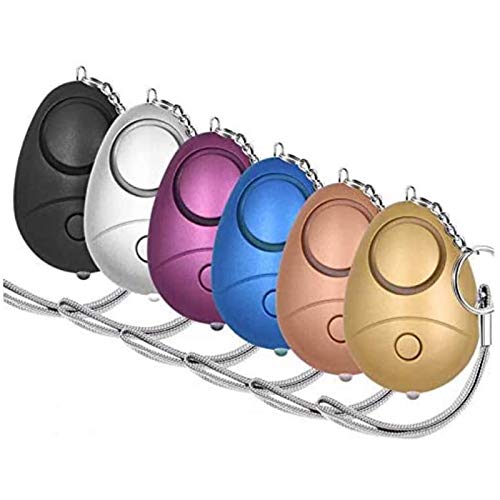
KOSIN Personal Safety Alarm Review — A KOSIN pick in Horns & Sirens that focuses on real-world usability Key figures include 606.9 ft, 50 minutes, 3 .
Special Considerations for Apartments and Condos
Apartment and condo dwellers face unique challenges when it comes to siren and strobe placement. Sound may travel through walls to neighbors, and mounting options may be limited by lease agreements. Here’s how to adapt:
- Doorway Placement: Position a siren/strobe just inside the main entrance, where it can startle intruders and alert you even if you’re in another room.
- Window Sensors: Use compact alarms on sliding doors or windows to ensure coverage of all entry points.
- Battery-Powered Devices: Opt for battery-operated sirens and strobes to avoid wiring or drilling.
- Minimize Disturbance: Adjust siren volume if possible to avoid unnecessary disturbance to neighbors, and inform them of your alarm system to prevent confusion during tests or false alarms.
Personal safety alarms, like those reviewed on our site, are also a discreet option for enhanced security in shared buildings.
Testing and Maintaining Your Siren and Strobe System
Even the best-placed sirens and strobes are only as reliable as their maintenance. Regular testing and upkeep are essential to ensure your devices function when you need them most.
- Monthly Testing: Activate your alarm system and walk through your property to check if the sirens and strobes are audible and visible from all key areas.
- Battery Checks: Replace batteries in portable and wireless devices at recommended intervals. Many modern alarms include low-battery indicators—don’t ignore them.
- Clean Lenses and Speakers: Dust and debris can muffle sound or dim light output. Wipe down strobes and siren grills periodically.
- Review Placement: If you remodel, buy new furniture, or change room layouts, revisit your device placement to ensure continued coverage.
- Update Firmware: For smart sirens, check for software or firmware updates that may improve performance or security.
Sirens, Strobes, and Home Automation
Modern security systems often integrate with smart home platforms like Alexa, Google Home, or Apple HomeKit. Smart sirens and strobes can be programmed for custom responses—for example, flashing lights in the event of a smoke alarm, or audible alerts when a door is left open.
Consider these tips for smart integration:
- Voice Activation: Some sirens support voice commands for activation, deactivation, or status checks.
- Schedules and Scenes: Program your system to arm/disarm sirens on a schedule or as part of a nightly “lockdown” routine.
- Remote Monitoring: Use your phone or tablet to check alarm history and receive instant notifications of alarm events, wherever you are.
- Link to Cameras: Sync siren and strobe activation with security cameras for automatic recording during alarm events.

KOSIN Safe Sound Personal Alarm Review — Practical horns & sirens from KOSIN, summarized from hub features and listed measurements. Key figures include 606.9 ft, 50 minutes, 3 .
Advanced Placement Tips for Larger Homes and Properties
If you have a multi-level house, outbuildings, or a large property, you’ll need a more strategic approach. Here’s how to ensure coverage across a bigger footprint:
- Multiple Zones: Divide your home into zones (e.g., upstairs, basement, garage, backyard). Place sirens and strobes in each to cover all areas.
- Connect Devices: Use wireless or networked sirens that can trigger each other for simultaneous alerts throughout the property.
- Outdoor Perimeter: Consider installing weatherproof sirens and strobes along fences, gates, and property lines for early warning.
- Redundancy: Back up critical areas (like safe rooms or master bedrooms) with extra sirens or personal alarms.
- Consider Neighbors: In rural areas, louder sirens may be needed to alert distant neighbors; in suburban environments, balance volume with local noise ordinances.
Sirens and Strobes for Special Needs and Accessibility
For households with elderly residents, children, or individuals with hearing or vision impairments, siren and strobe placement requires extra consideration:
- Vibrating Alerts: Pair sirens and strobes with vibration pads or smart watches for silent alerts in bedrooms.
- Extra Strobes: Place additional strobes in bathrooms, laundry rooms, or other areas where sound may not be heard clearly.
- Color and Pattern: Some strobes allow custom colors or flash patterns to distinguish between fire, CO, and security alarms.
- Personal Alarms: Equip at-risk family members with wearable personal alarms for immediate access to help.
Always consult with your security provider or installer to tailor the system to your family’s specific needs.
Final Thoughts: Achieving Complete Audible and Visual Coverage
Effective siren and strobe placement is about more than just installing a device and hoping for the best. By considering your home’s layout, potential obstacles, and the needs of your household, you can design a system that provides comprehensive coverage and peace of mind.
Remember to test your setup regularly and adjust as necessary. Whether you’re setting up a new system or upgrading an existing one, following these best practices will help ensure that your sirens and strobes deliver the audible and visual alerts you need, exactly when and where you need them.
For more product recommendations and expert advice, explore our full range of security device reviews and buying guides to find the best options for your home.
Checklist for Siren and Strobe Placement
Before finalizing your installation, use this checklist to ensure your sirens and strobes are optimally placed for both audible and visual coverage:
- Have you mapped out your home’s floor plan? Identify all entry points, hallways, and areas where people spend the most time.
- Are there sirens and strobes on each level? Multi-story homes require at least one device per floor for full coverage.
- Is every siren and strobe unobstructed? Make sure devices are not blocked by furniture, curtains, or structural features.
- Are sirens and strobes visible/audible from all main living areas? Walk to each room and check if you can see and hear the alarms clearly.
- Are exterior sirens and strobes positioned to alert neighbors? Place outdoor units where they are most likely to be noticed by people nearby.
- Are devices mounted securely and out of reach? Prevent tampering by choosing elevated or hard-to-access locations.
- Is there access to power or easy battery replacement? Plan for regular battery checks or ensure wiring is neat and safe.
- Have you tested the system after installation? Run a test alarm to confirm that both sound and light reach intended areas.
Maintenance Tips for Sirens and Strobes
Proper maintenance is essential for keeping your alarm system reliable. Neglecting upkeep can result in silent failures that leave your home unprotected. Here are some best practices:
- Test devices monthly: Activate your alarm system’s test mode and confirm that both the siren and strobe operate as expected in every location.
- Check batteries regularly: For battery-powered units, replace batteries at least once a year, or as soon as you receive a low-battery alert.
- Inspect for obstructions and dust: Clean lenses and speaker grills to prevent buildup that could reduce effectiveness.
- Verify outdoor weatherproofing: Ensure outdoor units are sealed against moisture and have not been compromised by weather.
- Update your coverage plan: Renovations or furniture changes can affect coverage—review placement after any major change in your home’s layout.
- Log all maintenance: Keep a simple log of test dates and maintenance actions to spot patterns or recurring issues.
Regular upkeep ensures your sirens and strobes are always ready to perform when needed, giving you peace of mind and maximizing your investment.
Frequently Asked Questions about Siren and Strobe Placement
How loud should my siren be for effective coverage?
Most residential sirens range from 85 to 120 decibels (dB). For indoor use, 100-110 dB is typically sufficient to be heard throughout the home. For outdoor sirens, 110-120 dB ensures the alarm can alert neighbors and deter intruders. Remember, sound can be reduced by walls and doors, so placement matters as much as volume.
Can I install strobe lights in bedrooms?
Yes, but use caution. While strobes are helpful for alerting hearing-impaired occupants, very bright or rapidly flashing lights can be disorienting, especially when waking from sleep. Consider strobes with adjustable intensity or slower flash rates for bedrooms.
Do I need both indoor and outdoor sirens?
For optimal security, having both is recommended. Indoor sirens alert occupants, while outdoor sirens and strobes warn neighbors and scare off intruders. If your system supports it, use both types for layered protection.
Where should I avoid placing sirens and strobes?
Avoid placing them near drapes, behind large furniture, in enclosed cabinets, or in areas prone to moisture (unless rated for outdoor use). Also, do not install them within arm’s reach of easily accessible windows or doors to prevent tampering.
Can I relocate my siren or strobe after installation?
Most wireless and some hardwired units can be moved if you find coverage isn’t optimal. Always refer to the manufacturer’s installation guidelines, and retest your system after moving any device.
What if my siren isn’t loud enough?
If you can’t hear the siren in distant rooms, consider adding additional units or upgrading to a higher-decibel model. Interconnected systems can synchronize multiple sirens for broader coverage.
Common Placement Mistakes to Avoid
- Overlooking stairwells and open spaces: Sound and light travel differently in open versus closed areas. Failing to account for open staircases or lofts can result in uneven coverage.
- Neglecting secondary entry points: Side doors, basement entries, and garage doors are common intrusion points that are often overlooked during placement.
- Improper orientation of strobes: Strobes should face areas where people are likely to see them—angled incorrectly, their effectiveness is reduced.
- Failing to consider pets: Extremely loud sirens or intensely flashing strobes near pet areas can cause stress to animals. Adjust placement or choose pet-friendly models as needed.
- Not integrating with other alarm components: Sirens and strobes should work in tandem with sensors, cameras, and smart home devices for full protection. Poor integration can lead to missed alerts.
Avoiding these mistakes will help ensure your home security system is as effective and user-friendly as possible.
Advanced Tips for Complex Homes
Larger or uniquely designed homes often present special challenges for siren and strobe placement. Here are some advanced strategies:
- Use wireless repeaters: For homes with thick walls or long distances between devices, wireless signal repeaters can help maintain reliable communication and trigger all alarms simultaneously.
- Zone your alarm system: Divide your home into security zones (e.g., upstairs, downstairs, garage, outbuildings) and assign dedicated siren/strobe units to each zone for targeted alerts.
- Integrate with smart home systems: Pair your sirens and strobes with smart home hubs or voice assistants. This allows for remote testing, control, and integration with other safety devices.
- Consider visual alert panels: In addition to strobes, visual alert panels placed in key locations can display alarm status and reduce confusion during emergencies.
- Secure vulnerable entry points with extra coverage: For homes with multiple entrances or secluded areas, double up on sirens and strobes to ensure no area is left unprotected.
These advanced approaches help tailor your system to your property’s unique needs, ensuring comprehensive protection and rapid response in any scenario.
Our content is researched and drafted with AI assistance and reviewed by our team. Product details come from published specs, manufacturer information and owner reviews.