
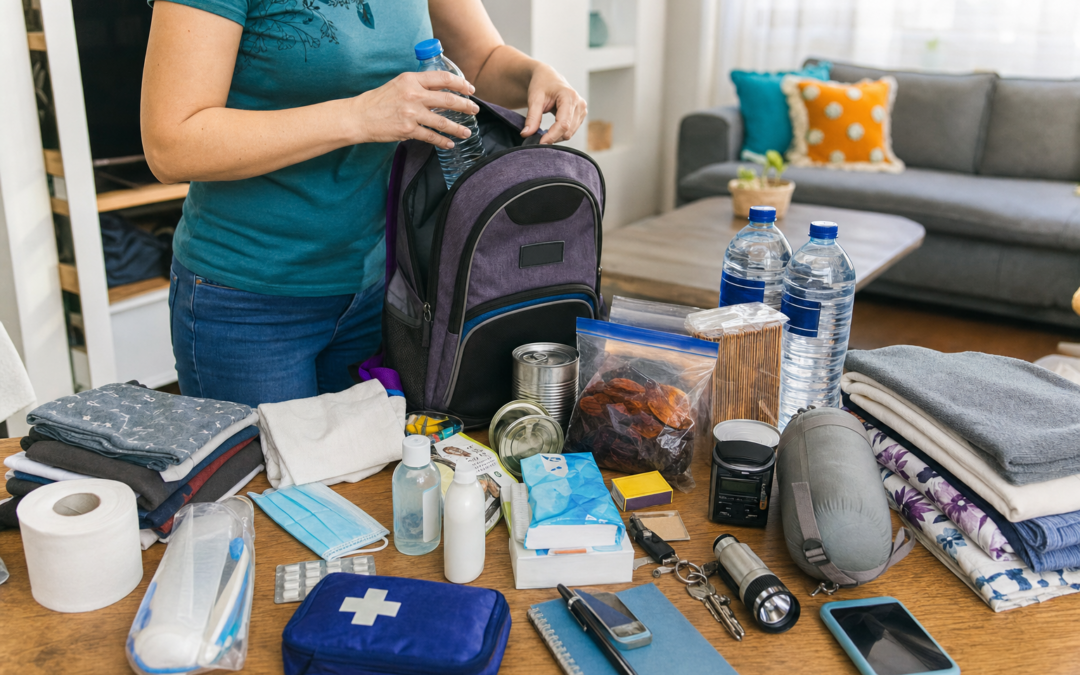
Emergencies can strike with little warning, and the last thing you want to do is scramble for supplies when every second counts. A well-packed go-bag, also known as a 72-hour kit, can make all the difference in a home evacuation scenario. Whether it’s a wildfire, hurricane, flood, or other disaster, having essential items ready ensures you and your loved ones can act quickly and stay safe until help arrives or conditions stabilize.
Building a reliable go-bag isn’t about throwing random items into a backpack; it’s a deliberate process that can save lives. Use this comprehensive checklist and practical advice to customize your kit for your household’s specific needs. Planning ahead today could be the key to peace of mind and survival tomorrow.
Why You Need a Go-Bag for Home Evacuations
Natural disasters, chemical spills, and other emergencies sometimes require you to leave your home on short notice. A go-bag—or 72-hour kit—is a portable collection of essential items you’ll need to survive for at least three days. The goal is to be self-sufficient until you reach safety or emergency services become available.
Many people underestimate how quickly evacuations can unfold. Roads may close, stores can empty, and utilities may fail. With a go-bag, you avoid frantic last-minute packing and ensure your basics—food, water, first aid, and identification—are always at hand. For more in-depth emergency preparedness strategies, check out our emergency preparedness hub.
Choosing the Right Bag: Comfort, Durability, & Accessibility
Your go-bag should be sturdy, comfortable to carry, and easy to organize. A backpack is typically best, as it keeps your hands free and distributes weight evenly. Look for:
- Durability: Ripstop nylon or polyester, reinforced seams, and quality zippers prevent failures under stress.
- Comfort: Padded shoulder straps and adjustable chest/waist belts make carrying heavy loads manageable.
- Accessibility: Multiple compartments help organize gear for fast access.
- Size: At least 30-40 liters for individuals, larger if packing for more people.
Consider waterproof or water-resistant materials, especially in regions prone to rain or flooding. If you have children or pets, you may need additional bags or specialized compartments for their gear.

Ready America 70280 Emergency 2-Person 3-Day Survival Backpack Review — A Ready America pick in cc8b81c2-6916-4800-975c-a54eacb3a648_6801 that focuses on real-world usability Key figures include 72 HOUR, 2 , 33 .
Water: The Cornerstone of Survival
Humans can survive weeks without food, but only a few days without water. The CDC recommends at least one gallon of water per person per day. For a 72-hour kit, that means three gallons per person. Since water is heavy and space is limited, balance immediate needs with portability:
- Pre-bottled water: Pack commercial water bottles for convenience and long shelf life.
- Collapsible containers: Flexible water pouches or bladders save space when empty.
- Water purification: Include portable filters, purification tablets, or a small bottle of unscented household bleach (plus instructions) to treat found water.
If you’re traveling as a group, consider splitting water weight among bags. Always rotate stored water every six months to prevent staleness or bacterial growth.
Food: Non-Perishable, High-Energy Choices
Your go-bag should contain enough food to last 72 hours, prioritizing calories, nutrition, and ease of preparation. Good options include:
- Energy bars, meal replacement bars, or high-calorie protein bars
- Dehydrated or freeze-dried meals (with a way to heat water, if needed)
- Vacuum-packed nuts, trail mix, or jerky
- Canned goods with pull-tabs (don’t forget a manual can opener if not included)
- Individual peanut butter packets or shelf-stable cheese spreads
Avoid foods that spoil quickly or require refrigeration. Rotate your go-bag food every 6–12 months. If you have dietary restrictions or small children, tailor your selections accordingly. Remember to pack disposable utensils and a lightweight cup or bowl.
First Aid: Treating Injuries on the Move
Minor injuries can become major problems during an evacuation if not addressed quickly. Your go-bag should include a comprehensive first aid kit with:
- Adhesive bandages, sterile gauze pads, and medical tape
- Antiseptic wipes and antibiotic ointment
- Tweezers, scissors, and safety pins
- Elastic bandages for sprains
- Instant cold packs
- Disposable gloves and face masks
- Burn cream, hydrocortisone, and pain relievers (acetaminophen, ibuprofen)
- Personal medications (at least a week’s supply, plus copies of prescriptions)
If you have specific medical needs (EpiPen, inhaler, insulin), prioritize those. Add a basic first aid manual or quick-reference card for guidance under stress.

1STHOUR Trauma First Aid Kit, Emergency Medical Kit Review — Practical first aid kits from TacRight, summarized from hub features and listed measurements. Key figures include 82 , 82, 6 .
Lighting and Communication: Staying Safe and Informed
Power outages are common during disasters. Reliable lighting and information sources are critical:
- Flashlights: Pack at least one durable, waterproof flashlight per person, plus spare batteries. Headlamps keep your hands free for tasks or navigation.
- Glow sticks: Useful for signaling or marking your location at night.
- AM/FM weather radio: A hand-crank or battery-powered radio keeps you updated on emergency alerts and evacuation instructions.
- Whistle: For signaling rescuers if you’re trapped or separated.
- Mobile phone and charger: Carry a portable power bank and charging cables. Solar-powered chargers are helpful if the grid is down.

ACEBEAM TAC 2AA EDC Tactical Dual Modes Flashlight Review — A ACEBEAM pick in Handheld Flashlights that focuses on real-world usability Key figures include 1400 , 304 , 1.5 .
Store all electronics in sealed plastic bags to protect them from moisture.
Important Documents and Cash: Proof, Access, and Resources
During an evacuation, you may need to prove your identity, access financial resources, or provide critical information to authorities. Store the following in a waterproof pouch or document bag:
- Driver’s licenses, passports, and other photo IDs
- Copies of insurance policies (home, health, auto)
- Emergency contact lists (hard copy and digital backup)
- Medical records and prescriptions
- Bank account numbers and credit card information
- Cash in small bills (ATMs and card readers may be down)
- Local maps (in case GPS fails)
Consider scanning important documents and saving them to a password-protected USB drive for redundancy. Never rely solely on digital copies, as power and internet access may be unavailable.
Personal Hygiene and Sanitation: Staying Healthy on the Go
Sanitation can deteriorate rapidly during emergencies, leading to illness. Include these hygiene essentials in your go-bag:
- Pocket-sized hand sanitizer and disinfectant wipes
- Travel-size soap and toothbrush/toothpaste
- Feminine hygiene products (pads or tampons in waterproof bags)
- Roll of toilet paper (flattened) or compressed camp wipes
- Small towel or washcloth
- Plastic bags for trash and soiled items
For longer evacuations, consider a compact trowel for digging latrine holes and a small supply of biodegradable toilet paper.
Clothing and Weather Protection: Dress for Any Condition
Pack a change of clothes suitable for your region’s climate and potential hazards. Key items include:
- Moisture-wicking base layers (top and bottom)
- Insulating layer (fleece or wool)
- Waterproof and windproof jacket or poncho
- Comfortable, sturdy footwear and extra socks
- Hat and gloves (even in warm climates, as nights can be cold)
- Bandana or buff for dust, sweat, or makeshift bandages
Pack clothing in resealable plastic bags to keep them dry. If you have children, remember to update sizes and seasonally appropriate gear every six months.
Tools and Survival Gear: Versatility Matters
Multi-use tools and gear give you flexibility in unpredictable situations. Consider these additions:
- Multi-tool or Swiss Army knife: For cutting, repairs, and food prep.
- Duct tape and paracord: For quick repairs, splints, or shelter-building.
- Emergency blanket or bivy sack: Lightweight, compact warmth and shelter.
- Waterproof matches, lighter, or fire starter: For warmth and cooking.
- Small sewing kit: For mending clothes or gear.
Don’t forget extra batteries, especially if your flashlight or radio use uncommon sizes. If you live in an earthquake or tornado zone, add a dust mask, work gloves, and goggles for debris protection.
Special Needs: Children, Elderly, and Pets
Every household is different. If you have infants, elderly relatives, or pets, adapt your go-bag accordingly:
- Infants: Formula, bottles, diapers, wipes, and a favorite comfort item.
- Children: Child-sized masks, games or coloring books for comfort, and extra snacks.
- Elderly: Hearing aids, spare batteries, mobility aids, and a list of medications.
- Pets: Food, water, leash, collapsible bowl, vaccination records, and a carrier or crate.
Plan for at least 72 hours of supplies for every family member, including animals. Keep copies of pet registration and medical records in your document pouch.
Mental Health and Comfort: Small Items, Big Impact
Stress and anxiety are common during evacuations. Simple comfort items can make a huge difference in morale and mental health:
- Deck of cards, puzzle book, or travel game
- Family photos or a small keepsake
- Notebook and pen (for journaling, notes, or leaving messages)
- Favorite snacks or candy (for a morale boost)
- Earplugs and sleep mask (to rest in noisy, unfamiliar places)
Don’t underestimate the power of distraction and routine, especially for children. Having a familiar object or activity can help everyone cope with uncertainty.
Go-Bag Maintenance: Rotate, Review, and Repack
Building a go-bag isn’t a one-time project. Review and update your kit every six months or after any major life change (new baby, medication, move to a new climate). Set a recurring reminder to:
- Replace expired food, water, batteries, and medications
- Check clothing sizes and seasonal appropriateness
- Update documents as needed
- Test electronics and recharge power banks
- Restock any items used during drills or real emergencies
Practice evacuating with your go-bag—see how quickly you can gather your household and get out the door. Adjust your packing to make the process smoother and faster.
Printable Go-Bag Checklist for Your 72-Hour Kit
Use this checklist as a starting point. Customize it for your family’s size, health, and location. Print a copy, laminate it if possible, and keep it near your go-bag for periodic reviews:
- Water: 3 gallons per person, water filter or tablets
- Food: 3 days of non-perishable, ready-to-eat meals
- First Aid Kit: Comprehensive supplies plus personal medications
- Lighting: Flashlight/headlamp, extra batteries, glow sticks
- Communication: Weather radio, whistle, charged phone, power bank
- Documents: IDs, insurance, medical records, cash, maps
- Hygiene: Hand sanitizer, wipes, soap, toothbrush, toilet paper
- Clothing: Change of clothes, weather-appropriate gear
- Tools: Multi-tool, duct tape, paracord, fire starter, emergency blanket
- Special Needs: Infant, elderly, or pet supplies
- Comfort: Entertainment, family photos, notebook, snacks
Remember, your go-bag is only as good as its contents and your familiarity with it. Take time to learn how each item works and ensure everyone in your household knows where the bag is stored.
Pre-Packed Kits: A Starting Point for Fast Preparedness
If you’re overwhelmed by assembling a go-bag from scratch or want a fast head start, consider a reputable pre-packed emergency kit. These kits typically include basics for water, food, first aid, and lighting, but you’ll still need to add personal documents, medications, and custom supplies for your family. Always review the contents and supplement as needed to ensure full coverage for your situation.

24/7 First Aid OSHA Compliant First aid Kit Review — 24/7 First Aid first aid kits gear aimed at buyers who want clear specs before they click through. Key figures include 24, 59554, 1 .
Final Thoughts: Preparedness Brings Peace of Mind
Building a go-bag is a practical, empowering step toward protecting your family in uncertain times. Emergencies are unpredictable, but preparation is within your control. Take the time to assemble, maintain, and practice with your 72-hour kit—you’ll be ready to act calmly and decisively if an evacuation order comes.
For more guidance on emergency planning, disaster drills, and home safety, visit our emergency preparedness resource center. Stay safe, stay prepared, and remember: your go-bag is your lifeline when every minute counts.
Comprehensive Go-Bag Checklist
To ensure nothing crucial is left behind, use this detailed go-bag checklist as a starting point. Tailor the items to your family’s unique needs, including infants, seniors, or pets. Review and update your kit at least twice a year.
- Water
- 3 liters (1 gallon) per person per day (minimum 3 days’ worth)
- Collapsible water containers or hydration bladders
- Water purification tablets or filter
- Food
- Non-perishable, ready-to-eat food for 72 hours
- Utensils, bowl, and cup
- Manual can opener (if packing canned food)
- First Aid Kit
- Assorted bandages, gauze, and tape
- Antiseptic wipes and ointment
- Pain relievers (acetaminophen, ibuprofen)
- Prescription medications (3-day supply minimum)
- Personal medical items (inhalers, EpiPens, etc.)
- Hygiene Supplies
- Moist towelettes or baby wipes
- Toothbrush, toothpaste, and floss
- Travel-size soap and shampoo
- Feminine hygiene products
- Hand sanitizer
- Small towel
- Clothing & Protection
- Change of clothes (weather-appropriate)
- Sturdy shoes or boots
- Rain poncho or compact rain jacket
- Hat and gloves (for cold climates)
- Emergency blanket (Mylar or wool)
- Tools & Gear
- Multi-tool or Swiss Army knife
- Flashlight (preferably LED) with extra batteries
- Headlamp (leaves hands free)
- Whistle (for signaling for help)
- Duct tape (mini roll)
- Paracord or strong rope
- Work gloves
- Communication & Navigation
- Battery-powered or hand-crank emergency radio
- Fully charged power bank for phones
- Printed local maps
- List of emergency contacts
- Personal Documents
- Copies of ID, insurance cards, and important papers (in a waterproof pouch)
- Cash (small bills and coins)
- Extra keys (home, car)
- Other Essentials
- Prescription glasses or contact lenses (and solution)
- Infant supplies (diapers, bottles, formula)
- Pet supplies (food, leash, carrier, vaccination records)
- Entertainment (playing cards, book, small toy for kids)
Common Go-Bag Mistakes to Avoid
Even well-intentioned preppers can make mistakes that reduce a go-bag’s effectiveness. Avoid these common pitfalls to ensure your kit is truly ready when disaster strikes:
- Overpacking: A bag that’s too heavy can slow you down or cause injury. Stick to essentials and periodically reevaluate your gear.
- Neglecting special needs: Forgetting medications, glasses, or supplies for infants, elderly family members, or pets can be dangerous.
- Ignoring seasonal changes: Not updating clothing or gear for current weather risks discomfort or hypothermia.
- Letting supplies expire: Food, water, batteries, and medications all have limited shelf lives. Rotate and replace as needed.
- Using only digital records: Phones can die or lose service. Always pack hard copies of important documents and contact numbers.
- Not testing gear: Unfamiliar tools (like water filters or radios) should be tested before an emergency—don’t wait until you need them to learn how they work.
- Forgetting comfort items: A small item that brings comfort (favorite snack, photo, or toy) can make a stressful evacuation more bearable, especially for children.
Go-Bag Maintenance: Keep Your Kit Ready
A go-bag isn’t a “set it and forget it” investment. Regular maintenance ensures your supplies remain usable and your kit stays tailored to your needs. Here’s how to keep your go-bag in optimal condition:
- Inspect your go-bag every 6 months. Check for worn gear, expired food or medications, and seasonally inappropriate clothing.
- Rotate perishables. Replace water, food, and batteries as they approach their expiration dates.
- Update personal documents. Ensure copies of IDs, insurance, and contact lists are current.
- Test electronics. Verify that flashlights, radios, and chargers work. Replace batteries as needed.
- Adjust for life changes. Update your kit to reflect new family members, medical needs, or pets.
- Practice using your gear. Familiarize yourself with water filters, radios, and other tools so you’re confident in an emergency.
Set a recurring reminder on your phone or calendar to review and refresh your kit. This simple habit can make all the difference in a crisis.
Frequently Asked Questions About Go-Bags
How heavy should my go-bag be?
Ideally, your packed go-bag should weigh no more than 15–20% of your body weight. For most adults, this means 15–25 pounds. If you have to travel on foot, a lighter bag is better—cut non-essentials and distribute weight among family members.
Where should I store my go-bag?
Keep your go-bag in an easily accessible location near an exit—such as a front closet, mudroom, or garage. If you have multiple floors, consider a bag on each level. Avoid storing it in basements prone to flooding or in hard-to-reach attics.
Should I build my own go-bag or buy a pre-made kit?
Pre-made kits offer convenience and can be a good starting point, but they often lack personalization and may include lower-quality items. Building your own lets you tailor contents to your needs, but requires more effort. A hybrid approach—customizing a pre-made kit—can be effective.
What’s the difference between a go-bag and a bug-out bag?
These terms are often used interchangeably, but a “go-bag” typically focuses on short-term evacuation (72 hours), while a “bug-out bag” may be designed for longer-term survival with more extensive gear. For most home evacuations, a well-equipped go-bag is sufficient.
How do I pack my go-bag efficiently?
- Place heavier items close to your back and centered in the bag for balance.
- Store frequently accessed items (first aid kit, flashlight, snacks) in outer pockets.
- Use zip-top bags or dry sacks to organize and waterproof gear.
- Label bags for each family member or pet for quick identification.
How often should I update my go-bag?
Aim for a full review every 6 months, or after major life changes (birth, new medication, move, etc.). Rotate perishables and update documentation more frequently if needed.
Final Thoughts: Preparedness Is Peace of Mind
Taking the time to assemble, maintain, and periodically review your go-bag is one of the most practical steps you can take for your family’s safety. Emergencies are unpredictable—but your response doesn’t have to be. With a well-prepared go-bag, you’ll be ready to act quickly, confidently, and safely, no matter what comes your way.
Our content is researched and drafted with AI assistance and reviewed by our team. Product details come from published specs, manufacturer information and owner reviews.