
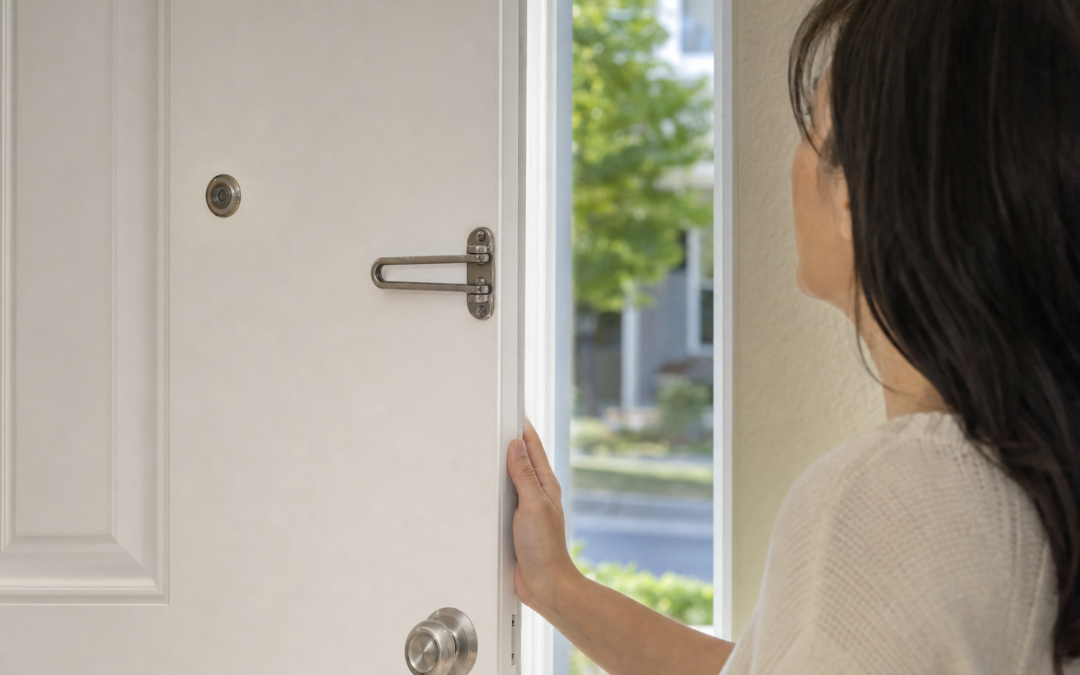
When it comes to protecting your home, the front door is often the first line of defense. Unfortunately, standard locks and peepholes don’t always provide the security or situational awareness homeowners need. Door viewers (also known as peepholes) and secondary locks are simple yet highly effective upgrades for any entry point. These additions can add genuine delay to forced entry attempts, give you a clear view of who’s outside, and help secure your family—without the need for expensive or complex installations.
This guide covers the real-world benefits of modern door viewers and secondary locks, including how they deter intruders, what to look for in quality products, and practical installation tips. If you’re looking for actionable ways to improve your door’s security, you’ll find step-by-step advice and product callouts tailored for US homeowners. For a broader look at securing all your home’s entry points, check out our entry protection advice hub.
Why Your Main Door Needs More Than a Standard Lock
Many homeowners assume that a solid deadbolt and a heavy door are enough to keep out intruders. However, experienced burglars know that front doors are often the weakest link—especially if you rely on basic locks or overlook the value of visual verification. Standard locks can be bypassed or forced open in seconds with the right tools, and traditional peepholes may offer a limited or distorted view.
Adding a secondary lock or an upgraded viewer isn’t just about feeling safer—it’s about buying yourself precious time and information. Every extra layer or delay increases the odds that an intruder will give up or be caught in the act. Modern door viewers and reinforcement locks are designed to offer real resistance, not just a false sense of security.
The Role of Door Viewers in Home Security
Door viewers, or peepholes, are a critical yet often overlooked security upgrade. They let you see who’s at your door before opening it, reducing the risk of “door push-in” attacks or scams. Modern wide-angle viewers provide a much clearer, broader view compared to the tiny, low-quality peepholes found in older homes.
Some advanced models even feature digital screens or anti-tamper designs. A good viewer lets you check for unexpected visitors, delivery scams, or suspicious activity, all from a safe distance. When paired with a secondary lock, you gain both awareness and the ability to delay or deny entry, even if someone tries to force the door while you’re verifying their identity.
How Secondary Locks Add Real Delay
Secondary locks, like door reinforcement latches or sliding bolts, are designed to withstand brute force attacks and keep your door shut even if the main lock is compromised. Unlike standard deadbolts, which can sometimes be picked or kicked open, these devices are installed to distribute force across the door frame, making it significantly harder for an intruder to break in quickly.
The extra minutes these locks provide can be critical—giving you time to call for help, escape, or activate other defensive measures. Secondary locks are also valuable for families with kids, preventing young children from opening the door to strangers or wandering outside unsupervised.

Door Lock for Front Door Kids Safety Home Security Door Reinforcement Locks Review — WINONLY latches & bolts gear aimed at buyers who want clear specs before they click through. Key figures include 3, 8 , 5 minutes.
What to Look for in a Quality Door Viewer
- Wide Viewing Angle: Look for viewers with at least a 180-degree field of vision. This lets you see people standing off to the side, not just directly in front of the door.
- Clarity and Anti-Fog: Choose glass or high-quality acrylic lenses that resist fogging and provide a crisp image, even in low-light conditions.
- Anti-Tamper Features: Modern viewers often include covers or designs that prevent someone from peeking in from the outside or tampering with the lens.
- Easy Installation: Many viewers fit standard door holes (typically 1/2 to 9/16 inch), but check compatibility with your door’s thickness and material.
For those wanting extra security, digital peepholes with LCD screens allow you to see who’s outside without being visible yourself, and some even record images or video.
Types of Secondary Locks: Latches, Bolts, and Reinforcement Plates
Secondary locks come in several effective styles. The most common for residential doors include:
- Reinforcement Locks: These mount above or below your main lock and are designed to resist kick-ins and forced entry. They typically swing or slide into place when you’re home, adding significant strength to the door.
- Chain Locks: While traditional, chain locks are generally less secure than modern reinforcement latches and can often be broken with enough force.
- Bar or Slide Bolts: These horizontal bolts are installed on the interior and can be used to lock the door from the inside, offering solid resistance against forced entry.
- Deadbolt Reinforcement Plates: These kits reinforce the area around your existing deadbolt, making it harder for intruders to kick or pry the door open at its weakest point.
Whichever style you choose, look for heavy-duty materials such as solid steel or thick aluminum, and opt for models that come with long, hardened screws to anchor into the wall studs—not just the door frame.

Door Reinforcement Lock Door Locks for Kids Safety Home Security Review — A WINONLY pick in Latches & Bolts that focuses on real-world usability Key figures include 800 lbs, 12, 8 .
Installation Tips: Getting the Most from Your Door Upgrades
Most door viewers and secondary locks are designed for DIY installation, but there are a few best practices to maximize their effectiveness:
- Use Long Screws: Replace short screws provided with longer (2-3 inch) hardened screws. This ensures your lock or plate is anchored deep into the framing, not just the thin molding.
- Correct Height: Install door viewers at a height suitable for all adults in your household. For families with children, consider a second, lower viewer.
- Test Before Final Mounting: Dry-fit locks and viewers to check for proper alignment and function before drilling permanent holes.
- Follow Manufacturer Instructions: Each product may have unique requirements for spacing, pilot holes, or tightening hardware. Read the included manual carefully.
If you’re unsure about drilling through a metal or solid-core door, consult a professional installer to avoid damaging the door or voiding any warranties.
Combining Door Viewers and Secondary Locks for Maximum Effect
The real advantage comes when you pair a wide-angle viewer with a robust secondary lock. Here’s a typical scenario: Someone rings your bell. Instead of opening the door blindly or relying on a distorted peephole, you check the viewer for a full view of the porch and anyone lurking nearby. If you don’t recognize the visitor or feel uneasy, your secondary lock keeps the door securely closed while you communicate through the door or call for help.
Even if an intruder attempts to force the door, a quality reinforcement lock can withstand repeated kicks or prying attempts, adding minutes of delay. This can be the difference between a successful break-in and a failed attempt, especially if you’ve alerted neighbors or law enforcement.

Front Door Locks for Kids Safety High Home Security Door Lock Reinforcement Review — Practical latches & bolts from WINONLY, summarized from hub features and listed measurements. Key figures include 3, 8 , 0.07.
Secondary Locks: Best Practices for Families with Kids
Beyond security, secondary locks serve an important safety role for families with children. Young kids are naturally curious and might open the front door to strangers or slip outside unnoticed. Installing a high-mounted reinforcement lock or slide bolt ensures that the main entry can’t be opened by a child, even if they can reach the handle or deadbolt.
Look for locks that are easy for adults to operate in an emergency (no complicated keys or tiny levers) but too high or strong for small children to manipulate. Some products are specifically marketed as “child safety” locks, combining resistance to forced entry with peace of mind for parents.
- Install locks well out of reach of children, but accessible for all adults in the home.
- Practice emergency exit drills so everyone knows how to release the lock in case of fire or other urgent situations.
- Choose products with clear open/close indicators to avoid confusion or accidental lock-ins.
Limitations of Traditional Chain and Swing Bar Locks
While many homes still use chain locks or swing bars, these devices offer limited real security. Chains can often be bypassed with brute force or simple tools. Swing bars are somewhat stronger, but most are made from thin metal and attached with short screws into soft door trim. In real-world break-in tests, both can usually be defeated in under a minute.
For genuine resistance, modern reinforcement latches or slide bolts are a better investment. They’re made from much stronger materials, use longer screws, and are designed to spread impact force across the door frame, not just the surface. If you’re upgrading from a chain or swing bar, make sure to remove the old hardware and patch any holes to avoid weakening the door structure.
Maintenance and Regular Checks
Even the best security hardware requires occasional maintenance to stay effective. Here’s what to check at least twice a year:
- Tighten All Screws: Vibrations and regular use can loosen mounting screws. Check and retighten as needed.
- Inspect for Wear: Look for signs of rust, bending, or cracking—especially on secondary locks that see frequent use.
- Clean Lenses: Wipe door viewer lenses with a soft, dry cloth to maintain a clear view. Avoid abrasive cleaners that could scratch the surface.
- Test Function: Open and close all locks to ensure smooth operation. If a lock sticks or feels loose, address the issue promptly.
Regular checks ensure your security upgrades deliver reliable protection year after year.
Common Mistakes to Avoid When Upgrading Entry Doors
Even with the right products, mistakes during installation or daily use can undermine your door’s security. Watch out for these common pitfalls:
- Using Short Screws: Always use 2-3 inch screws for locks and reinforcement plates. Short screws are easily ripped out in a forced entry.
- Misaligned Hardware: If a lock or viewer isn’t installed level and flush, it may not function correctly or could weaken the door.
- Overlooking the Door Frame: Reinforcing the lock side of the door is only effective if the frame itself is strong. Consider upgrading to a steel-reinforced strike plate for maximum benefit.
- Neglecting Other Entry Points: Don’t forget about side doors, garages, or basement entries. Each exterior door should have its own viewer and secondary lock.
- Not Training Household Members: Make sure everyone knows how to operate new locks and viewers, especially in emergency situations.
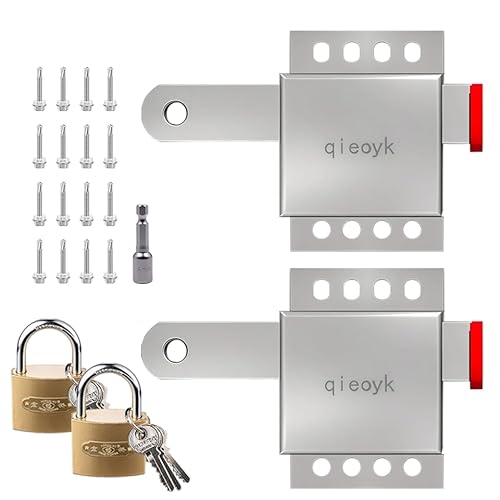
Garage Door Locks with Self Tapping Screws Inside Review — A qieoyk pick in Deadbolts that focuses on real-world usability Key figures include 8 , 6.4 , 2.
Door Viewers and Locks for Renters: No-Drill Options
If you rent your home or apartment, you may not be able to drill new holes or make permanent changes to the door. Fortunately, there are still ways to boost your security:
- No-Drill Door Viewers: Some wide-angle viewers are designed to fit into existing peephole holes or use adhesive mounts. These can often be installed and removed without leaving damage.
- Portable Secondary Locks: Devices like “door jammers” or portable latch guards can be placed at the base of the door when you’re home and removed when you leave.
- Slide Bolts with Adhesive Backing: Some slide bolts or mini-latches use strong adhesive rather than screws, suitable for short-term or non-permanent use.
Always check your lease agreement and obtain landlord approval before making any modifications. Even minor upgrades can make a big difference in your daily peace of mind.
Layering Entry Protection: The Big Picture
While no single device can make your home impenetrable, layering multiple types of entry protection creates real obstacles for would-be intruders. A wide-angle viewer lets you spot threats before opening the door. A solid deadbolt keeps out casual trespassers. A secondary lock or reinforcement plate buys precious time in a forced entry scenario. Combined, these upgrades turn your front door from a likely target into a much tougher challenge.
If you’re serious about home security, consider evaluating all your entries—not just the main door. Garages, basement doors, and sliding glass entries can all benefit from similar upgrades. Visit our entry protection hub for more detailed breakdowns and strategies for each type of door and lock.
Summary: Real-World Benefits of Door Viewers and Secondary Locks
Upgrading your entry door with a quality viewer and a robust secondary lock is one of the most effective, affordable ways to improve home security. These devices don’t just add a psychological deterrent—they provide real, measurable delay against forced entry and help you make safer decisions about opening your door.
Whether you’re a homeowner looking to reinforce your main entry or a renter seeking portable solutions, there are products and installation methods to fit every situation. Take the time to choose quality hardware, follow best practices for mounting and maintenance, and educate your household on using these defenses correctly. The investment pays off in peace of mind and practical protection for years to come.
Checklist: Upgrading Your Door Security
- Inspect your existing door and frame: Look for any cracks, warping, or weak spots that could be exploited.
- Test your current locks: Make sure they latch smoothly and don’t wiggle or feel loose.
- Assess your current peephole: Is the view wide and clear enough? Can you see to the sides of your entryway?
- Measure your door’s thickness: This is crucial for selecting a compatible viewer or secondary lock.
- Decide on secondary lock type: Consider reinforcement latches, sliding bolts, or chain locks based on your needs and door design.
- Gather necessary tools: Most upgrades require only a drill, screwdriver, measuring tape, and possibly a saw for new holes.
- Check for obstructions: Ensure there’s space around your door for hardware to operate smoothly (especially if you have sidelights or interior trim).
- Plan for family use: Make sure all adults and responsible children know how to use the new hardware in an emergency.
Common Mistakes to Avoid When Installing Door Viewers and Secondary Locks
- Incorrect placement: Installing a viewer too high or low can make it unusable for some family members. Standard height is about 58–62 inches from the floor, but adjust for your household.
- Over-tightening hardware: This can crack glass lenses or strip screws, reducing security and durability.
- Using short screws: Always use screws long enough (at least 2–3 inches) to reach the door frame stud, not just the trim, especially for secondary locks.
- Neglecting the frame: Reinforcements are only as strong as the frame they’re attached to. Weak jambs or thin wood reduce effectiveness.
- Forgetting to test after installation: Always check the operation of locks and viewers before relying on them for security.
- Blocking egress: Some secondary locks can make it harder to exit quickly in an emergency. Make sure your installation allows for fast escape.
Maintaining Your Door Viewers and Locks
Like any mechanical device, door viewers and secondary locks require periodic attention to ensure they function when you need them most. Here’s how to keep them in top shape:
- Clean the lens: Wipe down glass or acrylic peephole lenses with a soft cloth and mild cleaner every few months to maintain a clear view.
- Lubricate moving parts: Apply a small amount of graphite or silicone-based lubricant to lock mechanisms and bolts twice a year to prevent sticking.
- Check for loose screws: Vibrations from slamming doors can loosen hardware. Tighten screws on both viewers and secondary locks regularly.
- Inspect for damage: Look for cracks, rust, or signs of tampering. Replace any component that’s compromised.
- Test operation: Open and close all locks and move sliding bolts to ensure smooth action. Address any stiffness or misalignment immediately.
- Update digital viewers: For electronic peepholes, check batteries and update firmware if applicable to ensure reliability.
FAQ: Door Viewers and Secondary Locks
Can I install a door viewer or secondary lock myself?
Most homeowners with basic tools and DIY skills can install both. Door viewers usually require drilling a single hole, while secondary locks often use existing screw holes or simple templates. Always follow manufacturer instructions and measure carefully before drilling.
Will a secondary lock damage my door?
If installed correctly with the right hardware, secondary locks won’t damage a solid wood or metal door. However, avoid using them on hollow-core or flimsy doors, as they may not provide real security and could weaken the door over time.
Are digital peepholes better than traditional ones?
Digital viewers offer advantages like a larger screen, recording capability, and the ability to see outside without revealing your own presence. However, they require batteries and can be more expensive. For most homes, a high-quality wide-angle optical viewer is sufficient, but tech-savvy users may appreciate the extra features of digital models.
How do I choose the right secondary lock for my door?
Consider your door’s construction (solid wood, steel, or composite), the thickness, and your household’s needs (child safety, extra delay, ease of use). Reinforcement latches are best for resisting force, while chain locks offer quick installation but less strength. Always prioritize locks that anchor into the frame, not just the door surface.
Can secondary locks be used on rental properties?
Many secondary locks can be installed and removed with minimal damage, especially those designed for renters. Always check your lease agreement and get landlord permission before making modifications.
How often should I replace my door viewer or lock?
There’s no set timeline, but upgrade if you notice fogging, distortion, rust, or difficulty operating the hardware. Technology also improves over time—consider upgrading every 5–10 years for optimal security.
Our content is researched and drafted with AI assistance and reviewed by our team. Product details come from published specs, manufacturer information and owner reviews.