
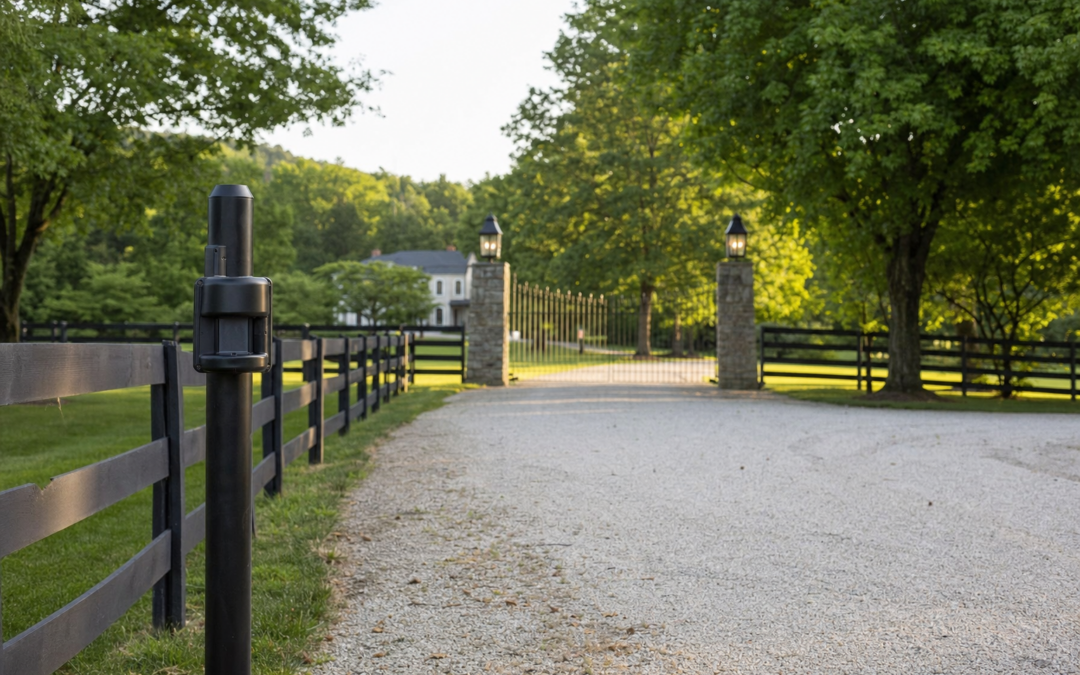
Long driveways and gated approaches are a favorite feature for many homeowners, offering privacy, peace, and a sense of seclusion. However, these same features can also make it challenging to secure your property and get timely alerts when someone is approaching. That’s where driveway alarms and gate sensors come in—providing you with an extra set of eyes (and ears) to detect vehicles, people, or even animals before they reach your home or garage.
Modern driveway alarm systems offer reliable detection, customizable alert types, and long-range wireless connectivity—crucial for homes with lengthy driveways or remote gates. In this guide, we’ll walk you through the key considerations, expert installation tips, and common pitfalls to avoid when choosing and setting up driveway and gate sensors for long approaches. Whether you’re looking to monitor a rural property, a busy suburban drive, or a remote farm entrance, these tips will help you build a practical, effective outdoor security setup.
Why Long Driveways Need Specialized Sensors
Unlike short, urban driveways where you can easily see or hear anyone arriving, long approaches present unique security challenges. The distance from the road to your home means intruders or unwanted guests could be halfway up your driveway before you notice. Traditional home security systems often don’t cover these distances, and running hard-wired sensors can be expensive or impractical. That’s why specialized wireless driveway alarms and gate sensors are essential for these scenarios—they bridge the gap between perimeter detection and in-home security measures.
Types of Driveway Alarms and Gate Sensors
Driveway alarm systems generally fall into three categories, each with its own strengths and best-use cases:
- Infrared Motion Sensors: These detect moving heat sources, such as vehicles or people. They’re easy to install and work well in most climates, but can sometimes be triggered by animals or blowing foliage.
- Magnetic Vehicle Sensors: Designed to pick up the metal mass of cars or trucks, these are ideal for driveways with frequent wildlife or heavy vegetation. However, they won’t detect people on foot.
- Photoelectric Beam Sensors: These use a beam of light (often invisible infrared) across the driveway; breaking the beam triggers the alarm. They’re extremely reliable for entry points like gates, but require precise alignment.
Choosing the right type depends on your property’s layout and your specific detection needs. For most long driveways, a combination of motion and magnetic sensors provides the best balance of coverage and false alarm reduction.
Key Features to Look for in a Long-Range Driveway Sensor
When shopping for a driveway alarm or gate sensor, focus on features that address the demands of long approaches:
- Wireless Range: Ensure the system’s rated range (between sensor and receiver) exceeds your driveway’s length—ideally with a buffer for obstacles and signal loss. Some models offer up to half a mile or more.
- Expandable System: Look for models that support multiple sensors and receivers, so you can cover multiple entry points or zones.
- Weather Resistance: Outdoor sensors should be rated for the temperature extremes and precipitation your region experiences.
- Adjustable Sensitivity: Fine-tuning detection sensitivity helps reduce false alarms from animals or wind-blown debris.
- Alert Types: Consider whether you want audible chimes, visual indicators, mobile app notifications, or integration with other smart home devices.
For detailed reviews and comparison charts, check out our main outdoor security hub for up-to-date recommendations and buying insights.

Driveway Alarm- 1/2 Mile Long Range Motion Sensor- 1 Receiver+4 Sensors Review — HTZSAFE motion detectors gear aimed at buyers who want clear specs before they click through. Key figures include 30 , 150 , 1.
Strategic Sensor Placement for Maximum Coverage
Proper placement is just as important as the technology itself. Here are some practical tips for positioning driveway alarms and gate sensors:
- Entry Points: Always place a sensor at the main entrance: the gate or where the driveway meets the public road. This gives you the earliest possible warning.
- Blind Curves and Hidden Sections: For winding or wooded driveways, consider placing additional sensors at bends or spots with poor visibility from the house.
- Near the House or Garage: A secondary sensor close to your home provides a backup alert in case someone bypasses the first or enters on foot.
- Height and Angle: Mount motion sensors 3–4 feet off the ground, angled slightly downward and across the expected path. This reduces triggers from wildlife and ensures reliable detection of vehicles and people.
- Gate Integration: If you have an automatic gate, look for sensors that can trigger gate opening (for authorized vehicles) or send alerts if the gate is tampered with.
Avoid mounting sensors too close to moving tree branches, busy roads, or direct sunlight, all of which can increase false alarms or reduce battery life.
Managing False Alarms and Environmental Challenges
One of the biggest frustrations with driveway alarms is unwanted alerts. Here’s how to minimize false alarms without sacrificing security:
- Adjust Sensitivity: Most modern sensors feature dials or switches to fine-tune detection. Start with a medium setting and adjust based on field experience.
- Use Magnetic Sensors for Vehicle-Only Detection: These won’t be triggered by animals or pedestrians, making them ideal if you only need to know when a car arrives.
- Shield Sensors: Simple plastic or metal covers can help block wind-blown debris, direct rain, and snow from tripping infrared sensors.
- Routine Maintenance: Clean lenses and check batteries every season, especially after storms or heavy pollen periods.
If you live in an area with extreme weather, look for weatherproof ratings like IP65 or higher, and consider mounting sensors under eaves or on sturdy posts for extra protection.
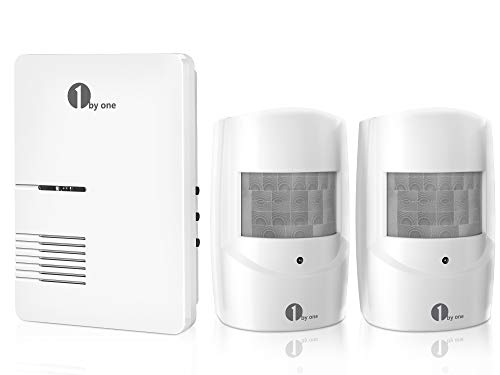
1byone Driveway Alarm Review — A 1byone pick in Motion Detectors that focuses on real-world usability Key figures include 1000ft, 24ft, 25.
Installation Tips for Long-Range Driveway Alarms
Installing a driveway alarm system on a long approach can seem daunting, but most wireless models are designed for DIY setup. Here’s how to get the most reliable performance:
- Test Before Permanent Mounting: Temporarily position sensors using tape or zip ties and walk/drive past them to confirm detection and signal strength.
- Check Line of Sight: Wireless signal strength drops with trees, hills, or buildings in the way. Try to keep sensors and receivers within a clear path, or use repeaters if available.
- Secure Mounting: Use included brackets, or upgrade to heavy-duty mounts for windy or exposed locations.
- Power Options: Some sensors are battery-powered, others offer solar charging. For very remote spots, solar can save you frequent trips to change batteries.
- Receiver Location: Place the indoor receiver centrally, ideally on the main floor, to ensure you’ll hear or see alerts from anywhere in the home.
Don’t forget to consider your pets’ habits and neighborhood wildlife when positioning sensors, as local deer, raccoons, or even large birds can sometimes trigger alerts.
Integrating Driveway Sensors with Smart Home Systems
If you already use smart home technology, look for driveway alarm systems that offer integration with platforms like Alexa, Google Home, or SmartThings. Some higher-end models can:
- Send push notifications to your smartphone
- Trigger smart lights or cameras
- Link with automated gate openers or intercoms
- Record event logs for later review
While not all basic driveway alarms offer smart features, many can be modified with add-on relay modules or paired with third-party smart relays for advanced automation. Always check compatibility before purchase and consider future-proofing by choosing expandable systems.

1byone Driveway Alarm Wireless Outside Review — A 1byone pick in Motion Detectors that focuses on real-world usability Key figures include 1000ft, 24ft, 6.
Best Practices for Gate Sensor Selection and Setup
Driveway gates are a natural choke point, making them an ideal location for sensors—but also a target for tampering or bypass attempts. Here’s how to enhance gate security:
- Choose Tamper-Resistant Sensors: Look for models with secure mounting hardware and tamper alerts, so you’re notified if someone tries to disable or remove the device.
- Beam Sensors for Accurate Monitoring: Photoelectric or break-beam sensors are ideal for gates, as they provide a clear “open or closed” notification and aren’t easily fooled by animals.
- Integrate with Gate Openers: Some gate sensors can trigger automatic opening for authorized vehicles, or sound an alert if the gate is forced or left open too long.
- Weatherproofing: Gates are exposed to rain, snow, and sun—choose sensors rated for outdoor use, and check for UV-resistant casings and waterproof seals.
For the most reliable gate security, combine a sensor with a camera or intercom system, especially if your gate is far from the house and you need to verify visitors before granting access.
Monitoring Multiple Zones and Large Properties
Owners of farms, ranches, or estates often need to monitor several entrances and long stretches of driveway. Here’s how to scale up your sensor system:
- Multi-Sensor Support: Many leading driveway alarms support 4–8 sensors per receiver, each with a distinct chime or alert light. This lets you know exactly which zone has been triggered.
- Repeaters and Mesh Networks: For extra-long distances or hilly terrain, choose systems offering repeaters or mesh networking to extend coverage without signal dropouts.
- Centralized Control: Place the main receiver in a hub location (like the kitchen or home office), or use multiple receivers in different buildings for coverage wherever you are on the property.
- Mobile Alerts: Advanced systems can send alerts to your phone or email, letting you monitor the property even when you’re away.
Label each sensor’s zone clearly and keep a map handy for quick reference, especially if you share monitoring duties with family members or staff.
Routine Maintenance and Troubleshooting
Even the best driveway alarm or gate sensor needs occasional maintenance to stay reliable. Here’s a checklist to keep your system running smoothly:
- Replace batteries every 6–12 months (or more often in cold climates)
- Wipe down lenses and sensor housings to remove dust, spider webs, or pollen
- Test each sensor monthly by walking or driving past it
- Check for loose wires, mounts, or corrosion after storms
- Update software or firmware if your system offers it
If you experience frequent false alarms, try relocating the sensor slightly, adjusting sensitivity, or adding a shield. For dropped signals, check for new obstructions (new trees, construction, parked vehicles) or swap to a different wireless channel if possible.

Driveway Alarms Wireless Outside Review — An editorial look at this FREETIM option for motion detectors — specs first, marketing second. Key figures include 19, 65 ft, 360.
Balancing Security, Privacy, and Convenience
Driveway alarms and gate sensors are about more than just security—they also offer peace of mind and daily convenience. You’ll know when guests arrive, kids come home, or deliveries are made, even if you’re out back or upstairs. For rural or remote homes, a reliable driveway alert can also serve as an early warning for emergency vehicles or unexpected visitors.
However, it’s important to balance detection with privacy and ease of use. Choose systems that allow you to mute or adjust alerts during certain hours, and consider how much monitoring is right for your lifestyle. If you have frequent guests or service visits, clear signage (“Driveway monitored for your safety”) can be a polite way to inform visitors and deter trespassers.
Conclusion: Building a Reliable Perimeter Alert System
Securing a long driveway or remote gate doesn’t have to be complicated or expensive, but it does require the right technology and thoughtful placement. By choosing a quality driveway alarm or gate sensor, installing it strategically, and maintaining it regularly, you’ll create an effective early warning system that gives you more time to react to any situation.
For more expert guidance on outdoor security—from cameras to lighting to perimeter alarms—explore our in-depth resources on the outdoor security hub. Whether you’re protecting a country estate or a suburban driveway, the right sensor system is a smart investment in your home’s safety and your peace of mind.
Driveway Alarm and Gate Sensor Maintenance
Routine maintenance is essential to ensure your driveway alarms and gate sensors continue to operate reliably—especially in challenging outdoor environments. Neglecting upkeep can lead to false alarms, missed detections, or premature equipment failure. Follow these tips to keep your system in top shape:
- Regular Cleaning: Wipe down sensor lenses and housings every few months to remove dust, cobwebs, pollen, or bird droppings that can obstruct detection.
- Battery Checks: Test sensor batteries at least twice a year (more often for high-traffic locations or extreme climates). Replace batteries promptly at the first sign of low power.
- Inspect Mounts and Alignment: Ensure sensors remain securely mounted and correctly aligned, especially after storms, high winds, or landscaping work. Photoelectric beams, in particular, require precise alignment.
- Clear Vegetation: Trim back branches, tall grass, and shrubs near sensors to prevent false triggers and maintain unobstructed sensing zones.
- Firmware and App Updates: If your system includes a smart hub or mobile app, check for firmware updates periodically to benefit from improved performance and security patches.
- Test Alerts: Walk or drive through the detection zones monthly to confirm the system is triggering and notifying you as expected.
Document your maintenance schedule and keep spare batteries or mounting hardware on hand to minimize downtime if an issue arises.
Common Mistakes When Installing Driveway Alarms
Even the best driveway alarm systems can underperform if not installed or configured correctly. Watch out for these frequent mistakes:
- Poor Placement: Installing sensors too close to the ground, behind obstructions, or in areas with heavy wildlife traffic can result in missed detections or constant false alarms.
- Ignoring Wireless Range Limitations: Overestimating the stated wireless range—especially through dense trees, hills, or buildings—can cause unreliable alerts. Always test signal strength before final installation.
- Overlooking Power Needs: Forgetting to check battery levels or running sensors on old batteries can cause the system to fail without warning.
- Not Adjusting Sensitivity: Leaving sensitivity on the default setting may not suit your environment. Fine-tune for your specific location to reduce nuisance alerts.
- Skipping Regular Testing: Failing to periodically test the system can let unnoticed faults persist for months.
- Neglecting Weatherproofing: Using indoor-rated sensors outdoors or not sealing cable connections exposes the system to moisture damage.
Avoiding these pitfalls will help you get reliable, long-term performance from your investment.
Driveway Alarm and Gate Sensor Installation Checklist
Use this step-by-step checklist when setting up your driveway alarm or gate sensor system to ensure nothing is overlooked:
- Survey your property to identify all entry points, blind spots, and optimal sensor locations.
- Choose the right sensor types for each location (motion, magnetic, or beam).
- Test the wireless signal from each planned sensor spot to your receiver before mounting.
- Install sensors at recommended heights, typically 2–4 feet above ground for motion sensors and in direct line of sight for beam sensors.
- Securely mount sensors using weather-resistant hardware.
- Set up the receiver(s) inside your home or garage, ensuring you can hear or see alerts from key living areas.
- Adjust detection sensitivity and alert preferences as needed.
- Test each sensor by walking, driving, or cycling through the detection zone.
- Label sensors or assign zones in the receiver/app for easy identification of triggered locations.
- Record installation details and set reminders for regular maintenance and battery checks.
Following this checklist helps ensure a smooth setup and reliable performance from day one.
Frequently Asked Questions About Driveway Alarms and Gate Sensors
How far can wireless driveway sensors transmit?
Most long-range wireless driveway alarms are rated for 400 meters to 1.5 kilometers (1/4 to 1 mile) in open air. However, trees, hills, buildings, and even heavy rain can reduce effective range. Always test the signal at your site before permanent installation.
Can driveway alarms distinguish between vehicles, people, and animals?
It depends on the sensor type. Magnetic vehicle sensors only detect large metal objects (cars, trucks, ATVs), so they ignore people and animals. Infrared motion sensors can detect all moving heat sources—including people and animals—though some models let you adjust sensitivity or use masking to reduce false triggers. Photoelectric beams simply detect anything that breaks the beam.
Will my gate opener interfere with my driveway alarm?
Most modern driveway alarms use proprietary wireless frequencies or encrypted signals to minimize interference. However, if your gate opener and alarm use similar frequencies (often 433 MHz or 915 MHz), interference is possible. Consult your product manuals and, if needed, choose systems with frequency-hopping or adjustable channels.
Do I need Wi-Fi or internet for my driveway alarm to work?
Basic driveway alarms and gate sensors work independently of your home’s Wi-Fi or internet—they use radio signals between sensors and receivers. However, if you want mobile notifications or smart home integration, you’ll need a system with Wi-Fi connectivity and a reliable internet connection.
How can I prevent false alarms from wildlife?
Position sensors higher off the ground (3–4 feet) to avoid small animals, use magnetic vehicle sensors for driveways with lots of wildlife, and adjust sensitivity settings as needed. Regularly clear vegetation and avoid pointing sensors at moving branches or direct sunlight, which can also cause false alerts.
Are solar-powered driveway sensors worth it?
Solar-powered sensors are a great option for remote locations where running power or frequently changing batteries is inconvenient. Just ensure the solar panel gets enough sunlight year-round and check that the battery capacity suits your climate and traffic levels.
Can I monitor multiple driveways or gates with one system?
Many modern driveway alarm kits support multiple sensors and receivers. You can typically assign each sensor to a different zone or chime, making it easy to monitor several entry points from a single control panel or app.
What should I do if my alarm keeps going off for no reason?
First, inspect the sensor for obstructions, cobwebs, or insects. Check for nearby moving foliage or reflective surfaces that could trigger false alarms. Adjust sensitivity, relocate the sensor if needed, and ensure the mounting is stable. Persistent false alerts may indicate a malfunctioning sensor or need for a different sensor type for your environment.
Summary: Staying Secure on Long Approaches
Securing a long driveway or remote gate is about more than just buying a sensor—it’s about understanding your property’s unique risks, choosing the right technology, and maintaining your system over time. By following best practices for installation, avoiding common mistakes, and performing regular maintenance, you can enjoy early warnings, peace of mind, and better overall security for your home and family.
Our content is researched and drafted with AI assistance and reviewed by our team. Product details come from published specs, manufacturer information and owner reviews.