
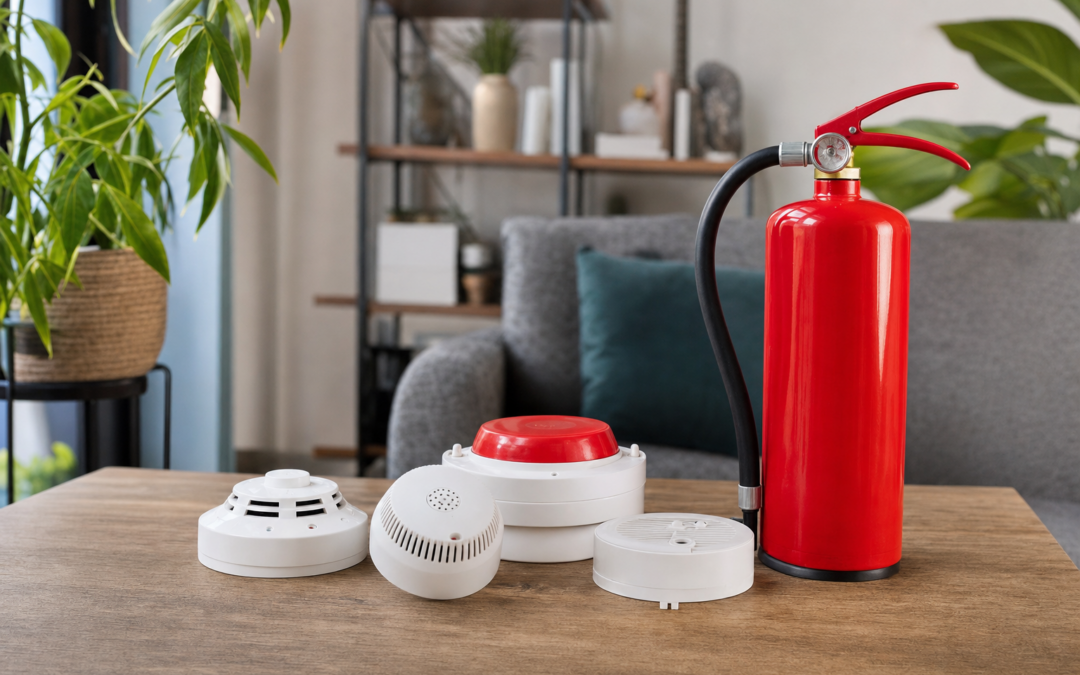
When it comes to keeping your home and loved ones safe, few threats are as fast-moving and devastating as a house fire. While you can’t always prevent emergencies, you can prepare for them with the right fire safety gear. Smoke detectors, fire extinguishers, and fire blankets are essential tools that can help you detect danger early and respond quickly. But with so many options on the market, choosing the best fire safety equipment can feel overwhelming.
This review roundup breaks down the top fire safety gear for US households, focusing on detectors, extinguishers, and related accessories. We’ll cover the key features, real-world usability, and what to look for when buying products that could make all the difference in an emergency. Whether you’re outfitting a new home or upgrading your current setup, use this guide to make informed decisions for your peace of mind.
Why Fire Safety Gear Matters in Every Home
According to the National Fire Protection Association (NFPA), US fire departments respond to over 350,000 home structure fires annually. These incidents result in thousands of injuries and billions of dollars in property damage. The right fire safety gear—properly installed and maintained—can drastically reduce risk, providing early warning and tools to control small fires before they spread.
Fire safety gear isn’t just for homeowners. Renters, landlords, and even vacation property owners need reliable detectors, extinguishers, and blankets. Local ordinances often require smoke alarms and fire extinguishers, but going beyond the minimum recommendations can make your home significantly safer.
The Essentials: What Fire Safety Gear Should You Have?
Every household should have a layered fire safety plan. The basics include:
- Smoke detectors on every level and inside each sleeping area
- Carbon monoxide detectors if you have gas appliances or an attached garage
- Fire extinguishers in the kitchen, garage, and near exits
- Fire blankets for smothering small fires or helping with emergency escapes
- Multitools and emergency gear for quick response or escape
Each of these tools plays a role in detection, suppression, or survival. For a deeper dive into product categories and hands-on reviews, see our dedicated fire safety gear reviews hub.
Choosing the Right Smoke and Carbon Monoxide Detectors
Smoke detectors are your first line of defense. Modern options include ionization and photoelectric sensors, with many models offering dual-sensor capabilities for broader detection. Some detectors also include built-in carbon monoxide (CO) sensors for additional peace of mind—especially important if you use natural gas, propane, oil, or wood for heating or cooking.
When selecting detectors, prioritize:
- Interconnectivity: Linked alarms throughout the house sound together, providing earlier warning.
- Battery backup: Ensures operation during power outages.
- Long-life batteries (lithium or sealed units): Reduce maintenance and the risk of dead alarms.
- Easy installation and test functions: Regular testing is crucial for reliability.
For most homes, install smoke detectors in every bedroom, outside sleeping areas, and on each floor. CO detectors should be placed near sleeping areas and any location where fuel-burning appliances operate.
Fire Extinguishers: Types and Placement
Fire extinguishers come in several classifications, each targeting specific fire types:
- Class A: For ordinary combustibles (wood, paper, cloth)
- Class B: For flammable liquids (grease, gasoline, oil)
- Class C: For electrical equipment
- Multipurpose (ABC): Covers most household fire scenarios
For home use, an ABC-rated extinguisher is typically best. Look for models with easy-to-read pressure gauges, metal valves (for durability), and manageable weight—usually 2.5 to 5 pounds for kitchen and hallway placement. Mount extinguishers near exits, not deep inside rooms, so you can access them safely as you escape.
Fire Blankets: A Versatile Emergency Tool
Fire blankets are often overlooked, but they’re a critical addition to your fire safety arsenal. Made of flame-retardant materials, these blankets can smother small fires—especially grease fires in the kitchen—without the mess or re-ignition risk of some extinguishers. They also provide protection if you need to move through a burning area or shield yourself while escaping.
Choose a fire blanket that’s large enough to cover the person or area at risk. The 40”x40” Fire Blanket for Home and Kitchen Firemen Safety Gifts is a popular choice for its size and ease of deployment, making it suitable for kitchens, garages, and even vehicles.

40”x40” Fire Blanket for Home and Kitchen Firemen Safety Gifts Review — RESCUE GUARD fire safety gear aimed at buyers who want clear specs before they click through. Key figures include 1 Pack, 60001, 1.28089 pounds.
Multitools and Emergency Kits: Extra Layer of Preparedness
While not strictly fire safety devices, multitools and compact emergency kits can be invaluable during a fire. A sturdy multitool can help cut through tangled cords, pry open windows, or shut off utilities in an emergency. Look for models with locking mechanisms and a variety of blades and tools for maximum versatility.
The 14-In-1 Multitool with Safety Locking is a practical option for families who want an all-in-one gadget that’s easy to store in emergency kits or vehicles. Features like a safety lock reduce the risk of accidental injury during high-stress moments.

14-In-1 Multitool with Safety Locking Review — A fangfo pick in Multitools that focuses on real-world usability Key figures include 14, 1 , 00123.
Integrating Motion Detection and Alarms for Fire Safety
While smoke and CO detectors are the backbone of fire alert systems, integrating motion detectors and smart alarms can enhance your home’s overall security. Modern driveway alarms, for example, can alert you to visitors or intruders who might pose a fire risk—such as trespassers or vandals.
The 1byone Driveway Alarm and 1byone Driveway Alarm Wireless Outside are examples of user-friendly, wireless motion detectors that can be installed around your property. While they’re not fire detectors, their presence can deter tampering with outdoor grills, fuel tanks, or other potential fire hazards.
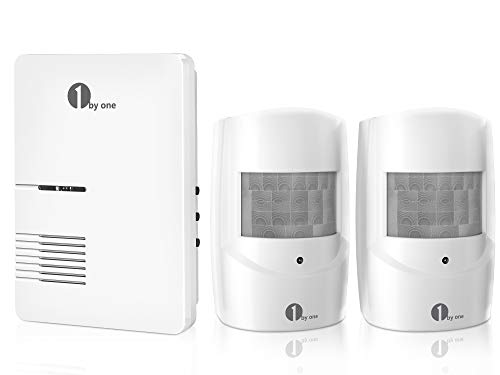
1byone Driveway Alarm Review — A 1byone pick in Motion Detectors that focuses on real-world usability Key figures include 1000ft, 24ft, 25.

1byone Driveway Alarm Wireless Outside Review — A 1byone pick in Motion Detectors that focuses on real-world usability Key figures include 1000ft, 24ft, 6.
Installation Tips for Maximum Effectiveness
No matter how advanced your fire safety gear, proper installation and maintenance are essential. Here are practical steps for US homeowners and renters:
- Follow manufacturer instructions: Every product is different. Read the manual before installation.
- Mount detectors high on walls or ceilings: Smoke rises, so ceiling placement (away from corners and vents) is best.
- Test alarms monthly: Use the test button to ensure functionality. Replace batteries (if applicable) at least annually.
- Check extinguisher pressure: The needle should be in the green. Replace or recharge if not.
- Store fire blankets in accessible locations: Kitchens, garages, and near exits are ideal.
- Keep multitools and emergency kits in go-bags or accessible drawers: Make sure everyone knows their location.
Regular drills and family discussions about evacuation routes and gear locations can save precious seconds during an emergency.
Maintenance: Keeping Your Fire Safety Gear Ready
Fire safety gear is only effective if it’s in working order. Here’s how to keep your equipment maintained:
- Smoke/CO Detectors: Replace batteries as recommended. Clean units with a vacuum to remove dust. Replace entire units every 7-10 years (check the manufacture date).
- Fire Extinguishers: Inspect monthly for pressure and physical damage. Professional servicing or replacement is needed every 5-12 years, depending on type and local regulations.
- Fire Blankets: Check packaging for rips or exposure to moisture. Replace after any use, even if the fire was small.
- Multitools: Clean and lubricate moving parts. Ensure all tools lock and unlock smoothly.
Set reminders on your calendar or smartphone to perform these checks regularly. Remember: a neglected detector or expired extinguisher can be worse than none at all, giving a false sense of security.
What to Look for When Buying Fire Safety Gear
When shopping for fire safety products, prioritize:
- UL or ETL certification: Indicates products meet US safety standards.
- Clear, visible labeling and instructions: In an emergency, you don’t want to be deciphering small print.
- Size and weight: Extinguishers and blankets should be manageable for all family members.
- Warranty and support: Choose brands that stand behind their products and provide customer assistance.
- Positive user reviews: Real-world feedback often highlights strengths and weaknesses not covered in specs.
Price should not be the only factor—reliability and ease of use are more important when seconds count.
Fire Safety Gear for Special Situations: Kitchens, Garages, and Vehicles
Certain areas of the home present unique fire risks. Here’s how to tailor your fire safety plan:
- Kitchens: Grease fires are common. Keep a fire blanket and a small Class B or multipurpose extinguisher near (but not above) the stove. Never use water on grease fires.
- Garages and Workshops: Flammable liquids and electrical equipment require multipurpose extinguishers. Mount alarms near the ceiling, away from exhaust fumes.
- Vehicles: Compact extinguishers and fire blankets can prevent disaster in a car fire. Secure them under a seat or in the trunk for quick access.
Regularly check for blocked exits and clutter, which can slow escapes or fuel a fire.
Training and Family Preparedness: Practice Makes Perfect
Even the best fire safety gear is only as effective as the person using it. Take time to:
- Read all manuals: Familiarize yourself with the operation of each device.
- Practice using extinguishers: Many local fire departments offer training sessions.
- Conduct fire drills: Make sure everyone knows two ways out of every room and where to meet outside.
- Review emergency numbers: Program local fire department and emergency contacts into your phone.
- Show children how to use fire blankets and call for help: Age-appropriate training saves lives.
Consider adding fire safety to your family’s annual preparedness checklist, just like changing smoke detector batteries with daylight saving time.
Frequently Asked Questions About Fire Safety Gear
- Do I need a fire extinguisher if I have a fire blanket? Yes. Fire blankets are best for small fires or as a shield, but extinguishers are necessary for larger blazes or ones involving multiple materials.
- How often should I replace smoke and CO detectors? Most should be replaced every 7-10 years. Check the manufacturer’s recommendations and the unit’s manufacture date.
- Are smart smoke detectors worth the cost? Smart detectors can send alerts to your phone and integrate with home security systems. They’re especially valuable if you travel or have children, elderly, or pets at home alone.
- Can I recharge a home fire extinguisher? Some models are rechargeable, others are disposable. Rechargeable models need professional servicing after use or when the pressure drops.
- What should I do after using a fire blanket? Replace it. Fire blankets are single-use and may lose their effectiveness after exposure to flames or heat.
The Bottom Line: Invest in Reliable, Easy-to-Use Fire Safety Gear
Protecting your home from fire is a multi-layered effort. Smoke and CO detectors provide critical early warning, while fire extinguishers and blankets give you a fighting chance to contain small blazes or escape safely. Multitools and motion alarms enhance preparedness, especially in complex or rural properties.
Choose products with proven reliability, easy operation, and clear instructions. Regular maintenance and family training ensure that your investment pays off when it matters most. For more detailed reviews and up-to-date recommendations, visit our comprehensive guide to fire safety gear.
Stay safe, stay prepared, and remember that a few minutes spent now can save lives and property for years to come.
Fire Safety Gear Checklist for Every Household
To ensure your home is prepared for fire emergencies, use this comprehensive checklist as a quick reference. Regularly reviewing and updating your fire safety gear is just as important as the initial purchase. Here’s what every household should have in place:
- Smoke Detectors: One in each bedroom, outside every sleeping area, and on every floor
- Carbon Monoxide Detectors: On each floor and near any fuel-burning appliances
- Fire Extinguishers: At least one on each floor, with special attention to high-risk areas like the kitchen and garage
- Fire Blankets: Easily accessible in the kitchen and any area with open flames or high heat sources
- Escape Ladders: For multi-story homes, place escape ladders in bedrooms above the ground floor
- Emergency Lighting: Battery-powered flashlights or lanterns in case of power failure
- Evacuation Plan: Clear, posted routes and a designated family meeting spot outside
- First Aid Kit: Stocked and easily accessible
- Emergency Contacts: List of local fire department and emergency numbers posted in a visible location
Review this checklist at least twice a year—ideally when you change your clocks for daylight saving time.
Common Mistakes When Using Fire Safety Gear
Even the best fire safety equipment can fail to protect if it’s used incorrectly or neglected. Here are some frequent mistakes to avoid:
- Neglecting Regular Maintenance: Forgetting to test alarms, check batteries, or inspect extinguishers can render them useless when you need them most.
- Poor Placement: Installing smoke detectors too close to kitchens (causing nuisance alarms) or hiding extinguishers in hard-to-reach spots limits their effectiveness.
- Using the Wrong Extinguisher: Attempting to put out a grease fire with water or a non-suitable extinguisher can make the situation worse. Always use Class B or multipurpose ABC extinguishers for kitchen fires.
- Not Replacing Expired Gear: Fire extinguishers and detectors have a shelf life. Expired or damaged equipment should be replaced promptly.
- Failing to Train Household Members: Everyone in the home should know how to use extinguishers, blankets, and understand the alarm sounds and evacuation procedures.
- Ignoring Manufacturer Instructions: Each device has specific guidelines for use and maintenance. Skipping the manual can lead to improper installation or use.
Avoiding these mistakes can make a critical difference in an emergency response.
Maintaining Your Fire Safety Gear
Fire safety equipment is only as reliable as its upkeep. Regular maintenance ensures your detectors and extinguishers are ready at a moment’s notice. Here’s how to keep your gear in top shape:
- Smoke and CO Detectors:
- Test alarms monthly by pressing the test button
- Replace batteries at least once a year (or as recommended for sealed units)
- Vacuum detectors occasionally to remove dust and cobwebs
- Replace units every 8-10 years, or sooner if malfunctioning
- Fire Extinguishers:
- Check the pressure gauge monthly—needle should be in the green zone
- Inspect for visible damage, corrosion, or missing safety seals
- Shake dry chemical extinguishers gently every few months to prevent powder from settling
- Service or replace after use, even if only partially discharged
- Follow manufacturer’s recommended replacement schedule (typically every 5-12 years)
- Fire Blankets:
- Inspect packaging for tears or signs of wear
- Practice deploying the blanket so all household members are comfortable with its use
- Replace if the blanket is used or if the material becomes damaged
Document your maintenance schedule and set reminders to stay on track. Proper care extends the life of your investment and can help save lives.
Frequently Asked Questions About Fire Safety Gear
How often should I replace smoke and carbon monoxide detectors?
Most manufacturers recommend replacing smoke detectors every 8-10 years and CO detectors every 5-7 years. Always check the date of manufacture on the device and follow manufacturer guidelines. Even if they appear functional, sensors degrade over time and may not detect hazards as reliably.
Can I recharge or refill my fire extinguisher?
Some extinguishers are rechargeable, while others are single-use (disposable). Check the label or manufacturer’s instructions. Rechargeable models should be serviced by a certified technician after any use or as required by the inspection schedule. Disposable extinguishers must be replaced after discharge or when they expire.
Where’s the best place to install fire safety gear?
Install smoke detectors inside each bedroom, outside sleeping areas, and on every level of your home—including the basement. Place carbon monoxide detectors near sleeping areas and any room with fuel-burning appliances. Mount fire extinguishers near exits and in high-risk areas (kitchen, garage), not hidden in cupboards or behind objects. Fire blankets should be visible and easy to grab, especially in the kitchen.
What’s the difference between ionization and photoelectric smoke detectors?
Ionization detectors are generally better at detecting fast-flaming fires, while photoelectric detectors excel at sensing slow, smoldering fires. For best protection, consider dual-sensor alarms or a combination of both types throughout your home.
Do I need a fire extinguisher if I already have fire blankets?
Yes, fire blankets and extinguishers serve different purposes. Fire blankets are excellent for smothering small fires or wrapping around a person, while extinguishers provide a broader range of suppression for different fire types and are necessary for larger or spreading fires.
How do I know if my fire extinguisher is still good?
Check the pressure gauge—the needle should be in the green zone. Inspect for physical damage, corrosion, or missing tamper seals. If there are any concerns, or if the extinguisher is past its expiration date, replace or service it immediately.
Fire Safety Gear for Special Situations
Some households have unique needs that require additional precautions. If you have elderly family members, children, pets, or live in a multi-story building, consider the following:
- Easy-to-operate alarms and extinguishers with large buttons and clear instructions for seniors or children
- Visual and vibration alarms for hearing-impaired occupants
- Window decals for children’s rooms to alert firefighters in an emergency
- Escape ladders for upper-floor bedrooms
- Pet rescue stickers to let first responders know how many animals are inside
Tailoring your fire safety plan to your household’s specific needs ensures everyone can respond quickly and safely if the worst happens.