
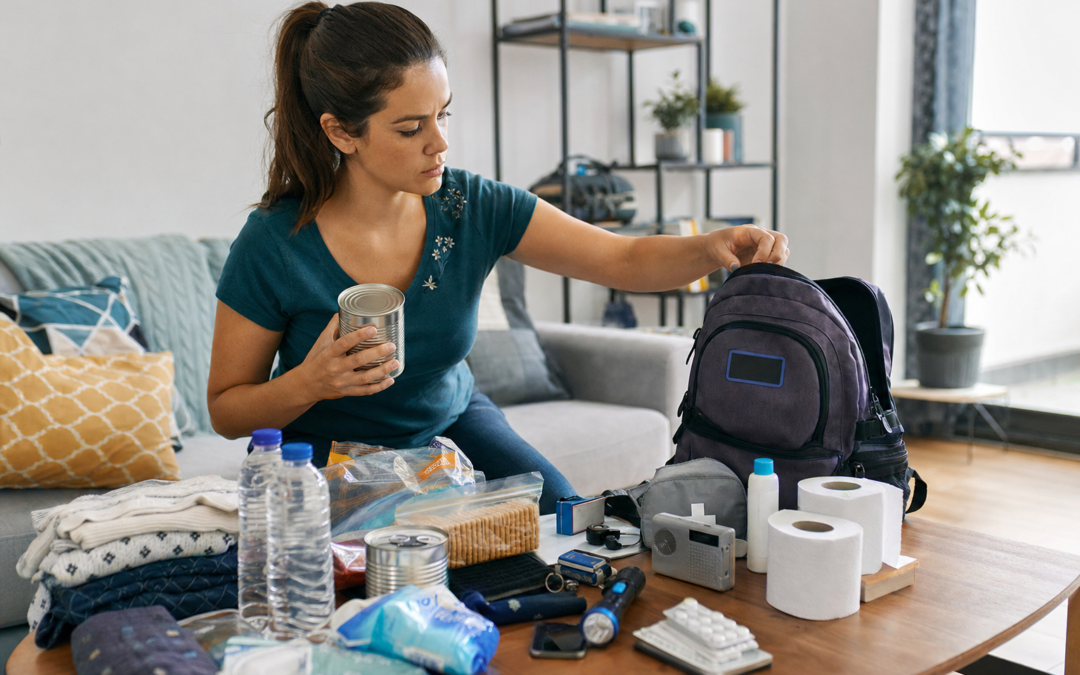
Living in an apartment brings unique challenges when it comes to emergency preparedness. Without a garage or dedicated storage space, renters must get creative with compact kits, smart storage, and clear egress plans. Whether it’s a sudden power outage, fire, or natural disaster, having a streamlined emergency plan ensures you and your loved ones stay safe—no matter the square footage or building layout.
This guide focuses on practical steps for apartment dwellers who lack a garage or extra storage but still want to be ready for the unexpected. We’ll cover what to pack, how to store it in tight spaces, and how to plan safe exits. Apartment renters can build a robust emergency kit and evacuation plan that doesn’t require a basement or backyard shed.
Why Apartment Emergency Preparedness Is Different
Renters face unique obstacles compared to those living in single-family homes. Most apartments lack garages, basements, or extra closets for stashing bulky gear. Shared hallways, locked exits, and reliance on building management add additional layers of complexity. Compact and portable solutions are essential.
- Limited Storage: Every square foot counts, so kits must be space-efficient.
- Building Restrictions: Some buildings restrict items like propane, candles, or tools.
- Shared Egress: Hallways and stairwells may be crowded or blocked during emergencies.
- Reliance on Others: Maintenance staff or neighbors may control access to critical areas.
Understanding these differences is the first step to building an apartment-friendly emergency plan. For a broader overview of preparedness, see our main emergency preparedness hub.
Making a Compact Apartment Emergency Kit
Your kit should be small enough to fit in a closet, under a bed, or inside an entryway cabinet. Focus on multi-use, lightweight items that cover your basic needs: medical supplies, water, food, light, hygiene, and communication.
- Choose a bag or container: A sturdy backpack or soft-sided duffel makes it easy to grab and go. Look for one with multiple compartments for organization.
- Layer your supplies: Store items in zippered pouches or clear plastic bags for quick access.
- Keep it visible: Place your kit near your main exit or in your bedroom for fast retrieval during an emergency.

1STHOUR Trauma First Aid Kit, Emergency Medical Kit Review — Practical first aid kits from TacRight, summarized from hub features and listed measurements. Key figures include 82 , 82, 6 .
Essentials Every Apartment Kit Needs
Not everything fits in a small space, so prioritize items based on what you’re most likely to need. Here’s a checklist tailored for apartment dwellers:
- First Aid Kit: Treat injuries until help arrives. Choose a compact kit with trauma supplies, bandages, and basic medications.
- Water: Store at least one gallon per person per day for three days. Use stackable containers, water pouches, or collapsible bottles to save space.
- Non-Perishable Food: High-calorie bars, canned goods, or meal replacement shakes. Opt for items with long shelf lives that don’t require cooking.
- Light Source: LED flashlights, headlamps, or lanterns with extra batteries. Avoid candles in apartments due to fire risk.
- Communication: Battery-powered or hand-crank radio, phone chargers, and a list of emergency contacts.
- Personal Hygiene: Wet wipes, hand sanitizer, masks, and travel-size toiletries.
- Documents: Copies of ID, insurance policies, and lease agreements in a waterproof pouch.
- Cash: Small bills for emergencies where cards may not work.
- Multi-tool: Compact tool with knife, screwdriver, and pliers.
- Gloves and Masks: For sanitation and safety during debris removal or fire evacuation.

EVERLIT Advanced Emergency Trauma Kit Review — An editorial look at this EVERLIT option for first aid kits — specs first, marketing second. Key figures include 104, 92 , 6.5 .
Where to Store Your Emergency Kit in an Apartment
Without a garage or basement, space is at a premium. The best locations are:
- Under the bed: Use low-profile bins or backpacks that slide easily underneath.
- Closet floor: Place your kit behind shoes or next to seasonal storage.
- Entryway: Store in a basket or cabinet near your front door for fast access.
- On shelves: High closet shelves or kitchen cabinets can hold lighter items like food or medical kits.
- Split kits: If space is very limited, divide your supplies into smaller bags for different rooms.
Label your kits and make sure everyone in your household knows where they are kept. Avoid locking kits inside rooms you may not be able to access during an emergency.
Evacuation Planning and Egress for Renters
Apartment buildings often have multiple exits, but hallways and stairwells can become congested during an emergency. Know your options:
- Study the building layout: Walk all possible exit routes, including emergency stairwells and secondary doors. Note which exits may be locked or alarmed.
- Map two ways out: Always have a backup route in case your main exit is blocked.
- Practice regular drills: Run through your escape plan with everyone in your unit. Time yourself to see how quickly you can grab your kit and reach the exit.
- Communicate with building management: Know who to contact if exits are blocked or alarms fail. Ask about evacuation procedures for your floor.
- Consider mobility needs: If you or someone in your household has limited mobility, plan for extra time or assistance.
Many renters overlook the importance of egress until it’s too late. Making a clear plan—and practicing it—can save precious seconds when it matters most.
Medical Emergencies: Apartment-Specific Strategies
Medical emergencies can happen at any time. In an apartment, help may be several floors away, and crowded hallways can slow response times. Here’s how to prepare:
- Stock a trauma-ready first aid kit: Look for kits that include tourniquets, gloves, and wound dressings.
- Keep medications handy: Store at least three days’ worth of essential prescriptions in your kit, rotated regularly for freshness.
- Know your neighbors: If you live alone, consider exchanging emergency contact info with trusted neighbors.
- Label your unit: Make sure your apartment number is clearly visible from the hallway to help first responders find you quickly.
- Register with building management: Let them know about any special medical needs or mobility issues in advance.

EVERLIT Emergency Trauma Kit Review — An editorial look at this EVERLIT option for first aid kits — specs first, marketing second. Key figures include 002, 6 , 6.5 .
Fire Safety in Apartments Without a Garage
Fires spread quickly in multi-unit buildings, and smoke can fill hallways in minutes. Preparedness is critical when you can’t escape through a garage or private yard.
- Install extra smoke detectors: Add battery-powered units in bedrooms and hallways if allowed.
- Keep a fire extinguisher: Store a compact extinguisher near the kitchen or exit.
- Plan for window egress: If you’re on a low floor, keep a rope ladder handy. For higher floors, know which windows open and have a signaling device (like a whistle or flashlight) to attract attention.
- Seal gaps: In case you’re trapped, keep duct tape or wet towels to seal door gaps against smoke.
- Never use elevators: Always use stairs in a fire, as elevators can become inoperable or dangerous.
Review your building’s fire safety plan at least twice a year and make note of fire alarm locations and extinguisher stations.
Power Outages: Staying Safe and Comfortable
Power can go out for hours or days, especially in storms. Apartments may lose light, refrigeration, and even water. Here’s how to prepare without a garage full of backup gear:
- Battery-powered lights: Stock up on LED lanterns, headlamps, and flashlights. Avoid open flames.
- Portable chargers: Keep power banks charged for phones and small electronics.
- Manual can opener: If you store canned food, ensure you can open it without electricity.
- Insulate your windows: Use heavy curtains or blankets to keep warm air in during winter outages.
- Stay hydrated: Fill bathtubs or sinks with water if a storm is forecasted and you expect service interruptions.
Don’t forget to check your building’s emergency lighting and stairwell access—some areas may be pitch dark without power.
Dealing With Water Leaks and Flooding
Water damage is a common apartment emergency. Leaks can come from your own pipes or neighbors above. Without a garage for sandbags or pumps, focus on early detection and quick action:
- Know your shutoffs: Locate the main water valve for your unit, if accessible.
- Leak sensors: Place battery-powered alarms near sinks, water heaters, and washing machines.
- Emergency towels and plastic sheeting: Store a supply for quick containment and to protect electronics or valuables.
- Document damage: Take photos for insurance claims and notify building management immediately.
- Elevate important items: Store documents and electronics off the floor to reduce risk of damage.
If flooding occurs, prioritize safety over property—never wade into standing water if there’s a risk of electrical shock.
Preparing for Severe Weather and Natural Disasters
From hurricanes to earthquakes, severe weather can strike anywhere. Apartment dwellers should:
- Sign up for alerts: Use NOAA weather radios or smartphone apps for up-to-date warnings.
- Move supplies indoors: Bring in balcony furniture and potted plants before high winds or heavy rain.
- Secure windows and doors: Use window locks or shatter-resistant film if permitted by your lease.
- Plan shelter-in-place: Know the safest room in your unit—usually an interior room or bathroom away from windows.
- Know your building’s protocol: Some apartments have designated safe areas or basements for tornadoes or storms.
Check your lease for restrictions on window coverings or modifications before making weatherproofing changes.
Special Considerations for Pet Owners
Pets need their own emergency supplies and evacuation plan. Here’s what to include:
- Pet carrier: A collapsible carrier or backpack for each animal.
- Food and water: Three days’ supply in sealed containers.
- Medications and records: Store veterinary papers in your main emergency kit.
- Comfort items: A favorite toy or blanket to reduce stress.
- Waste bags or litter: For sanitation if you’re sheltering in place.
Practice evacuating with your pet so they’re used to carriers and the process feels routine.
Maintaining and Updating Your Apartment Emergency Plan
Emergency preparedness is not a one-time project. Revisit your kit and plan at least twice a year, or whenever your living situation changes. Rotate food, water, and medications to keep them fresh. Update contact lists, check batteries, and review your building’s policies for any changes to exits or emergency procedures.
- Schedule reminders: Use your phone or calendar to set biannual check-ins.
- Involve everyone: Make sure roommates, partners, and children know what to do and where supplies are stored.
- Stay informed: Watch for local emergency management updates and adjust your plan accordingly.
Regular maintenance ensures your plan works when you need it most, even in the tightest of spaces.
Conclusion: Emergency Readiness Is Possible in Any Apartment
Preparedness is about planning, not just stockpiling. Even without a garage, renters can build a compact, effective emergency kit and clear egress plan—boosting their safety and peace of mind. Focus on essentials, make the most of your available space, and review your plan regularly. For more detailed strategies and product reviews, explore our comprehensive coverage at the Home Defense Tips emergency preparedness hub.
Apartment Emergency Preparedness Checklist
Staying organized is critical when space is tight and time is limited. Use this checklist to make sure you’ve covered the essentials for apartment living—no garage required. Print it out or keep a digital copy handy for easy reference.
- Emergency Contacts: List of family, friends, building management, local emergency numbers.
- Evacuation Routes: Map of all exits and alternative paths out of your building.
- Grab-and-Go Bag: Stocked and placed near your main exit.
- Water Supply: Collapsible containers or pouches, rotated every 6 months.
- Non-Perishable Foods: Expiry dates checked every 6 months.
- Flashlight/Headlamp: Extra batteries included.
- First Aid Kit: Restocked regularly.
- Personal Medications: At least a 3-day supply, with prescription copies.
- Multi-tool and Gloves: Easily accessible in your kit.
- Hygiene Supplies: Wet wipes, sanitizer, masks, feminine products.
- Cash (small bills): Stored in a waterproof pouch.
- Important Documents: IDs, insurance, lease, emergency plan (physical or digital backups).
- Portable Phone Charger: Fully charged or solar-powered options.
- Pet Supplies: Food, leash, carrier, and vet records (if applicable).
- Comfort Items: Blanket, small toy, or book for stress relief.
Review this checklist every few months to ensure nothing is missing or expired. Consider setting a calendar reminder for routine checks.
Common Emergency Preparedness Mistakes Apartment Dwellers Make
Even the best intentions can fall short if you overlook some apartment-specific pitfalls. Here are common mistakes to avoid:
- Overpacking: Trying to fit too much into a small space can make your kit unwieldy or impossible to grab quickly. Stick to the essentials and prioritize multi-use items.
- Ignoring Building Rules: Storing prohibited items (such as large fuel canisters or open-flame devices) can violate your lease and pose safety risks. Always check your building’s guidelines before adding new items to your kit.
- Blocking Exits: Stashing supplies in front of doors or hallways can slow you down during an evacuation. Keep main egress paths clear at all times.
- Letting Supplies Expire: Forgetting to rotate food, water, and batteries means you might find unusable gear when you need it most.
- Not Practicing the Plan: In an emergency, panic can set in. Practice your escape route and kit retrieval with everyone in your household.
- Forgetting About Pets: If you have animals, don’t forget to include them in your planning and supplies.
- Neglecting Communication: Relying solely on cell phones or Wi-Fi, which can go down during disasters. Keep a battery-powered radio or printed contact list as backups.
Maintaining Your Apartment Emergency Supplies
Your emergency kit isn’t a “set it and forget it” project. Regular maintenance ensures your supplies will work when you need them most. Here’s how to keep your kit—and your plan—in top shape:
- Schedule Regular Reviews: Every 6 months, check expiration dates on food, water, and medications. Replace as needed.
- Test Equipment: Check flashlights, radios, and chargers. Replace batteries and test all electronic devices.
- Update Documents: Swap out old insurance cards, IDs, and any documents that may have changed.
- Seasonal Adjustments: Rotate clothing, blankets, or supplies based on the weather. Add or remove items as needed for winter or summer.
- Practice Drills: Go through your evacuation route with all household members. Time your escape and see if anything needs to be moved or adjusted.
- Reassess Needs: If your household changes (roommates move in/out, new pets, medical conditions), update your kit and plan accordingly.
Proactive maintenance ensures your supplies remain usable and your plan stays relevant, giving you peace of mind year-round.
Apartment Emergency Preparedness FAQ
Where should I store my emergency kit if I don’t have a garage?
Store your kit in an easily accessible spot such as under your bed, in a hall closet, or inside a large suitcase near your main exit. The key is to choose a location you can reach quickly, even in the dark or under stress. Avoid attics or balconies if they are difficult to access during an emergency.
What if my apartment prohibits certain emergency supplies?
Always follow building and fire codes. If fuel, candles, or certain chemicals are restricted, opt for battery-powered or solar alternatives, and use water purification tablets instead of storing large water barrels. Communicate with building management about approved safety items.
How do I prepare for a power outage in an apartment?
- Keep LED flashlights and battery-powered lanterns in several rooms.
- Charge portable power banks regularly.
- Have shelf-stable, ready-to-eat foods that don’t require heating.
- Store extra water since pumps may not work during extended outages.
- Know where your building’s emergency lighting and stairwells are located.
How can I make sure my emergency kit fits in a small apartment?
Choose compact, multi-purpose items. Use vacuum-sealed bags for clothing and blankets, stackable bins for food and water, and store supplies in unused spaces like under furniture or inside suitcases. Regularly reassess and remove unnecessary items to keep your kit streamlined.
What should I do if I have a disability or mobility challenge?
- Inform building management and neighbors about your needs.
- Keep mobility aids and medical supplies in your kit.
- Plan multiple escape routes and practice them.
- Register with local emergency services if available for additional assistance during evacuations.
How often should I update my emergency plan?
Review your plan at least twice a year, or whenever you move, change roommates, or experience a major life event. Update contact lists, check supplies, and practice your evacuation route regularly.
Tips for Involving Roommates or Family
Apartment living often means sharing space with others. Coordination is key to effective preparedness:
- Hold a planning meeting: Review the emergency kit and evacuation plan together so everyone knows their role.
- Assign responsibilities: Designate who grabs the kit, checks on pets, or communicates with building management.
- Share contact information: Make sure everyone has emergency numbers saved in their phones and written down in the kit.
- Practice together: Run evacuation drills as a group so everyone is familiar with routes and procedures.
Collaboration ensures faster, safer responses in a real crisis and prevents confusion when seconds count.