
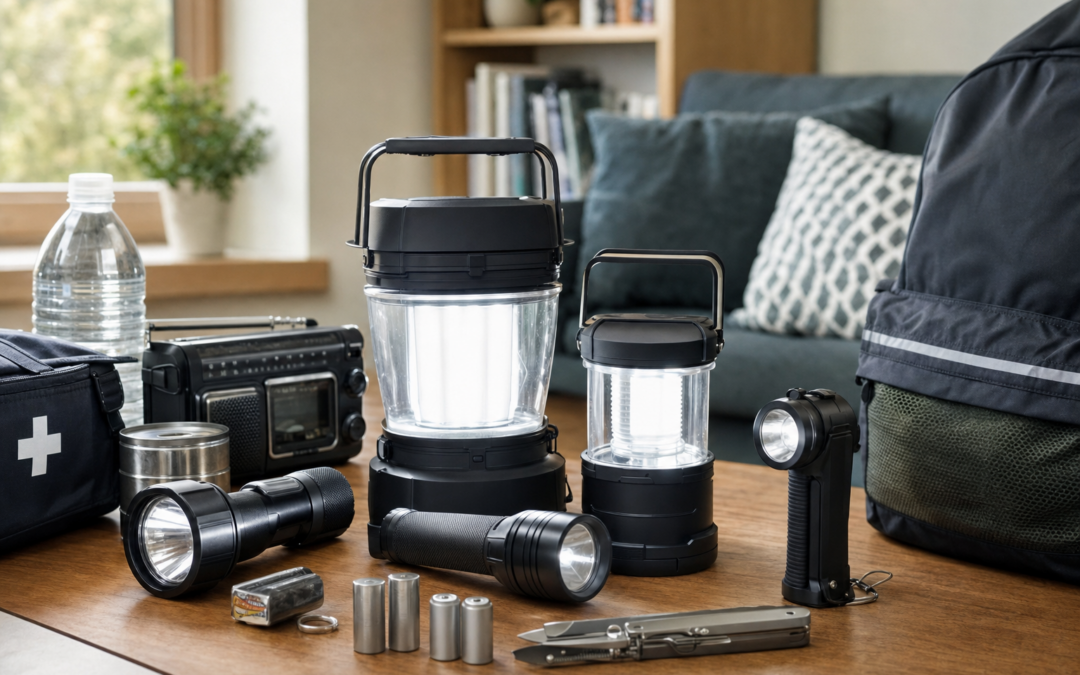
Severe weather, infrastructure failures, and unexpected events can all leave your home without power—sometimes for hours, sometimes for days. In these moments, reliable emergency lighting isn’t just about comfort; it’s about safety and preparedness. Flashlights and lanterns are essential for navigating your home, performing basic tasks, and signaling for help during power outages. But with so many options and technical features on the market, choosing the right lighting (and batteries to power them) can feel overwhelming.
Whether you’re assembling a comprehensive emergency kit, replacing outdated gear, or just want peace of mind, this guide will walk you through everything you need to know about emergency flashlights, lanterns, and battery choices. We’ll cover must-have features, pros and cons of different models, and strategies for keeping your lighting reliable—so you’re ready when the lights go out.
Why Emergency Lighting Matters During Power Outages
When the electricity fails, darkness can make even familiar spaces hazardous. Stairs, clutter, and slippery floors become trip hazards. If you need to check on family members, care for pets, or respond to an emergency, inadequate lighting slows your response and puts you at risk. Flashlights and lanterns not only help you see, but also provide reassurance and a sense of control in stressful situations.
Beyond basic navigation, emergency lighting is crucial for:
- Locating and using your first aid kit or emergency supplies
- Assessing damage after storms or disasters
- Signaling for help if needed
- Reading instructions or maps
- Cooking or preparing food safely
For a full overview of emergency gear, including lighting, visit our emergency preparedness hub.
Types of Emergency Flashlights
Not all flashlights are created equal. Understanding your options will help you select the right tools for your home and family:
- Standard Handheld Flashlights: The classic choice, available in a range of sizes and brightness levels. Look for models with sturdy construction, water resistance, and a simple on/off switch. LED flashlights are vastly superior to old incandescent models for emergency use due to their efficiency and longevity.
- Headlamps: Wearable lights that free up your hands for tasks, first aid, or repairs. Adjustable straps and tilt heads make these useful for everything from reading to walking outside at night.
- Crank or Hand-Powered Flashlights: Don’t rely on batteries—just a few minutes of cranking can provide enough light for short-term needs. These are excellent as backup devices in long outages.
- Rechargeable Flashlights: Many modern models can be charged via USB or solar panels. These save money over time and reduce battery waste, but require advance charging and may not be ideal if the outage is prolonged and you lack a way to recharge.
- Tactical Flashlights: Typically more rugged, with higher brightness, strobe or SOS modes, and sometimes a beveled edge for self-defense. These can double as a personal safety tool.
Types of Emergency Lanterns
While flashlights are great for focused tasks, lanterns are best for illuminating larger areas—ideal for rooms, group gatherings, or outdoor spaces. Here are the main styles:
- Battery-Powered LED Lanterns: The most common type for home use. Modern LED lanterns offer long runtimes, adjustable brightness, and cool operation. Some models feature hooks, magnets, or collapsible designs for versatility.
- Rechargeable Lanterns: These use built-in batteries and can be recharged via USB, solar panels, or even hand cranks. Some double as power banks for charging phones during outages.
- Propane or Fuel Lanterns: Best reserved for outdoor use due to carbon monoxide risks and fire hazards. While they offer very bright and long-lasting light, they’re not recommended for indoor emergencies.
- Solar Lanterns: Charge during the day for use at night. These are useful as a backup, especially if you live in a sunny area or want an eco-friendly solution.
Key Features to Look for in Emergency Flashlights and Lanterns
Choosing the best lighting isn’t just about brightness. Consider these features when shopping:
- Brightness (Lumens): For flashlights, 50-150 lumens is adequate for indoor use, while 200+ is useful for outdoor tasks. Lanterns should offer at least 100 lumens for small rooms, more for larger spaces.
- Run Time: How long will the light operate before batteries need replacing or recharging? Prioritize models with efficient LEDs and multiple brightness settings to extend usage.
- Battery Type and Availability: Standard AA or AAA batteries are easy to stockpile, while proprietary rechargeable packs may be harder to replace in a pinch.
- Durability: Look for water resistance (rated IPX4 or higher), shock-proof construction, and rubberized grips for better handling.
- Ease of Use: Simple controls are best in stressful situations. Avoid overly complicated multi-mode interfaces unless you’re comfortable with them.
- Size and Weight: Compact models are easier to stash in a kit or pocket, but larger lanterns may be necessary for area lighting.
- Special Modes: Some lights include strobe, SOS, or red light modes for signaling or preserving night vision—valuable in emergencies.
Battery Choices: Stockpiling and Safety Tips
Batteries are the lifeblood of your emergency lighting. Here’s how to make sure you’re prepared:
- Alkaline Batteries: Widely available and affordable, but have a shorter shelf life (5-7 years) and can leak over time. Store them in a cool, dry place and rotate stock regularly.
- Lithium Batteries: Longer shelf life (up to 10 years), lighter weight, and better performance in cold weather. Ideal for critical devices and long-term storage.
- Rechargeable Batteries: Nickel-metal hydride (NiMH) AA/AAA cells can be reused hundreds of times, but require access to power for recharging. Keep a set charged and ready, and consider solar chargers as a backup.
- Integrated Rechargeable Packs: Some flashlights/lanterns use built-in lithium-ion packs. Check charge status periodically, and recharge after use or before storm season.
General battery tips:
- Store batteries in original packaging or dedicated cases to prevent short circuits
- Never mix old and new batteries, or different brands/types
- Remove batteries from devices not in regular use to prevent corrosion
- Dispose of spent batteries properly—many retailers offer recycling bins
How Many Flashlights and Lanterns Do You Need?
The right number depends on your household size, home layout, and risk tolerance. As a baseline, plan for at least:
- One flashlight per family member (plus one or two extras for guests or redundancy)
- One lantern per main living area (kitchen, living room, primary bedroom)
- At least one backup light in your emergency kit, car, and basement or utility area
Headlamps are excellent additions for hands-free tasks, and small keychain lights can help with lockboxes or circuit breaker panels. Assign and test lights with each family member so everyone knows where to find them in a blackout.

1STHOUR Trauma First Aid Kit, Emergency Medical Kit Review — Practical first aid kits from TacRight, summarized from hub features and listed measurements. Key figures include 82 , 82, 6 .
Storing and Maintaining Your Emergency Lighting
Even the best flashlight is useless if you can’t find it—or if the batteries are dead. Keep lights in accessible, consistent locations throughout your home (e.g., nightstands, kitchen drawers, utility closets). Use wall hooks or magnetic mounts for lanterns in critical areas.
Every 3-6 months, check each device for battery life and corrosion, and perform a quick function test. Recharge any built-in batteries, and rotate alkaline or NiMH cells to ensure freshness. Mark your calendar for these checks, especially before storm or wildfire seasons in your area.
Consider keeping a printed list of your emergency lighting inventory, including battery types and storage locations. This helps with quick checks and allows others to assist if you’re away or incapacitated.
Emergency Lighting for Special Needs and Vulnerable Populations
Children, elderly family members, and those with mobility or vision challenges may require extra support during outages. Here’s how to plan:
- Nightlights: Battery-powered or motion-activated nightlights can reduce anxiety and prevent accidents for kids or seniors navigating in the dark.
- Easy-Use Devices: Choose lights with large buttons or simple slides for those with dexterity issues.
- Backup Power for Medical Devices: If anyone in your household relies on powered medical equipment, ensure you have a backup generator or battery packs and notify your utility provider of your needs.
- Communication: Teach all family members how to use each type of emergency light, and practice drills so everyone is comfortable.
Label devices with glow-in-the-dark tape or stickers for easy location in total darkness.

EVERLIT Advanced Emergency Trauma Kit Review — An editorial look at this EVERLIT option for first aid kits — specs first, marketing second. Key figures include 104, 92 , 6.5 .
Integrating Lighting with Your Overall Emergency Kit
No emergency kit is complete without reliable lighting. When assembling your kit, include:
- At least one durable flashlight and one lantern
- Extra sets of appropriate batteries (or a solar/crank charger)
- Headlamps for hands-free work
- Glow sticks or chemical light sticks for signaling or marking hazards
- Spare bulbs or parts if your devices require them
Pair your lighting with other essentials, such as first aid kits, water, food, and communication devices. For a practical example, consider the recommendations in our reviews of first aid kits like the EVERLIT Advanced Emergency Trauma Kit—a well-stocked kit is most useful when you can see what you’re doing.
Preparing for Extended Power Outages
For outages that last more than a few hours, lighting needs become more complex. Here’s how to plan for the long haul:
- Stockpile extra batteries—more than you think you’ll need. Assume at least double your initial runtime estimates for multi-day outages.
- Rotate use among multiple lights to extend battery life and prevent overheating.
- Use lower brightness settings when possible; 10-20 lumens is often sufficient for safe movement indoors.
- Prioritize lanterns for area lighting and reserve powerful flashlights for outdoor use or emergencies.
- If available, use solar-powered or hand-crank lights to reduce reliance on disposable batteries.
Consider acquiring a small solar generator or power bank to recharge USB-powered devices, including some modern lanterns and flashlights.

EVERLIT Emergency Trauma Kit Review — An editorial look at this EVERLIT option for first aid kits — specs first, marketing second. Key figures include 002, 6 , 6.5 .
Lighting Safety: Avoiding Hazards During Outages
While emergency lighting is vital, some types pose risks. Follow these safety guidelines:
- Avoid open flames: Candles and oil lamps can cause fires, especially if left unattended or knocked over by pets or children.
- Check for overheating: Don’t leave high-powered lights running unattended for long periods, as some casings can become hot.
- Keep batteries away from small children: Swallowing button or coin batteries can be fatal; store spares securely.
- Don’t use fuel lanterns indoors: Propane, kerosene, and other fuel-based lanterns produce carbon monoxide and are not safe for enclosed spaces.
Always follow manufacturer instructions, and replace or repair damaged devices promptly.
Emergency Lighting for Outdoor Needs
Some outages require you to venture outside—whether to check on neighbors, access a generator, or inspect for storm damage. For outdoor use:
- Choose high-brightness flashlights (200+ lumens) with a focused beam for distance visibility
- Water-resistant or waterproof models are essential in rain, snow, or flood conditions
- Attach a headlamp for hands-free work (clearing debris, making repairs, etc.)
- Reflective tape on devices makes them easier to find if dropped
Reserve your most powerful lights for outdoor tasks to conserve batteries on lower-powered indoor models.

First Aid Only All-Purpose Emergency First Aid Kit for Home Review — A First Aid Only pick in First Aid Kits that focuses on real-world usability Key figures include 2 , 442, 298 .
Testing and Training: Be Ready Before the Next Outage
Don’t wait until the lights go out to discover dead batteries or unfamiliar controls. Schedule regular tests of all your emergency lighting, and practice finding and using them in the dark. Involve the whole family in these drills, and update your supplies as technology improves or your household changes.
By taking a proactive approach, you’ll ensure that when the next outage comes, you have the right tools—and the confidence—to stay safe, comfortable, and in control.
Final Thoughts: Building Confidence with the Right Lighting
Emergency flashlights and lanterns are more than just gadgets—they’re fundamental to home safety and resilience. By understanding your options, maintaining your gear, and planning for various scenarios, you can transform a stressful blackout into a manageable inconvenience. Remember, preparedness isn’t about panic; it’s about empowering yourself and your loved ones to weather any storm.
For more practical advice on lighting and all aspects of home readiness, don’t forget to explore our complete collection of tips and reviews in the Emergency Preparedness section.
Emergency Lighting Checklist
Having a plan and the right equipment on hand is key to staying safe and comfortable during a power outage. Use this checklist to evaluate your current emergency lighting readiness:
- At least one working flashlight per household member (preferably more, including backup lights)
- Multiple types of lighting: A mix of flashlights, headlamps, and lanterns for different needs
- Spare batteries (for each type of light, stored in a cool, dry place and checked annually)
- Rechargeable lighting options and a way to recharge (solar panel, power bank, hand crank, or car charger)
- Manual, non-battery-powered lights (such as crank flashlights) in case batteries run out
- Glow sticks or chemical light sticks for backup or signaling
- Easy access: Store lights in known, accessible locations (bedrooms, kitchen, main hallway, emergency kit)
- Instructions/manuals for rechargeable or multi-function lights kept nearby
- Regular testing schedule to ensure all lights work when needed
Common Mistakes to Avoid With Emergency Lighting
Even the best flashlight or lantern won’t help if it fails when you need it most. Here are some frequent mistakes to watch out for—and how to avoid them:
- Letting batteries corrode: Leaving batteries in flashlights or lanterns for long periods can lead to corrosion and render the device useless. Remove batteries if storing for a long time, or check and replace them regularly.
- Relying on a single light source: Power outages can last longer than you expect. Always keep backups and a variety of lighting types (flashlights, lanterns, headlamps) on hand.
- Ignoring battery expiration dates: Old batteries lose power and may leak. Rotate your battery stockpile annually and use the oldest first.
- Storing lights in hard-to-reach places: Emergency lights should be easy to find in the dark—store them in accessible locations known to all family members.
- Failing to practice: If you’ve never used your emergency lantern or flashlight, you may fumble in the dark. Practice turning on and using your lights before an emergency occurs.
- Overlooking run time: Some high-powered lights drain batteries quickly. Know your device’s run time at different brightness settings and plan accordingly.
Maintaining Your Emergency Flashlights and Lanterns
Regular maintenance ensures your lighting will work when you need it. Follow these tips to keep flashlights and lanterns in peak condition:
- Inspect devices every 3–6 months for corrosion, cracks, or other damage.
- Test all lights and replace batteries as needed—especially before storm season or if you live in an area prone to outages.
- Clean contacts (where batteries touch the device) with a cotton swab and a small amount of rubbing alcohol to prevent corrosion.
- Store in a dry, temperature-stable environment to prevent battery degradation and case warping.
- Recharge rechargeable models fully every few months to keep batteries healthy, even if not used regularly.
- Replace bulbs or LEDs only with manufacturer-recommended parts if your device is not a sealed unit.
- Keep instructions/manuals for specialty lights or those with advanced features so you can troubleshoot quickly when needed.
Frequently Asked Questions About Emergency Lighting
How many flashlights or lanterns should I have at home?
Ideally, each person in your household should have their own flashlight or headlamp. Additionally, keep at least one lantern for every room you may need to occupy during an outage—especially shared spaces like the kitchen and living room. Extras are always a good idea for guests or unexpected needs.
Are rechargeable lights better than battery-powered ones?
Both have benefits. Rechargeable models save money over time and are eco-friendly, but require a way to recharge. Battery-powered lights are often more reliable in prolonged outages—especially if you have a good supply of spare batteries. For best results, keep both types on hand.
Can I use candles during a power outage?
Candles provide light but pose significant fire risks, especially if left unattended or used around children and pets. Battery-powered lights and lanterns are much safer for most situations. Use candles only as a last resort, and never leave them burning while you sleep.
What’s the difference between lumens and watts?
Lumens measure the actual brightness of a light, while watts measure energy consumption. When comparing emergency lights, focus on lumens (higher numbers mean brighter light) rather than watts, which are less relevant for LED devices.
How can I extend the run time of my emergency lights?
Use lower brightness settings when possible, turn off lights when not in use, and keep spare batteries or charging options available. Store batteries at room temperature for optimal performance, and choose lights with energy-efficient LEDs.