
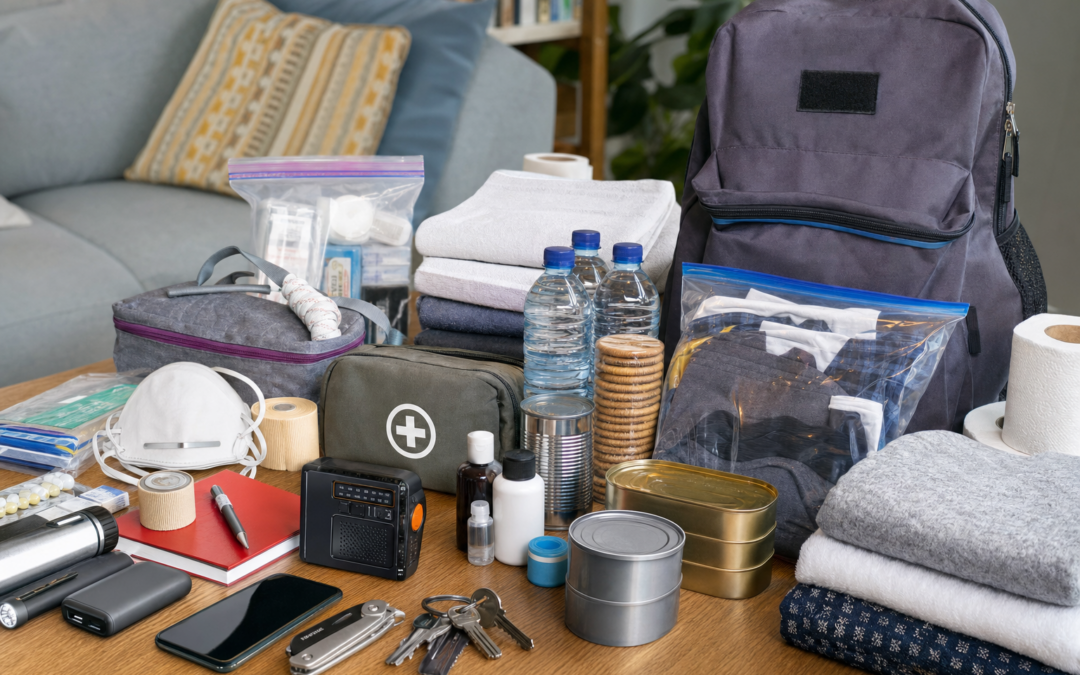
When disaster strikes, having a reliable 72-hour emergency kit can make the difference between comfort and chaos for you and your loved ones. Whether it’s a power outage, hurricane, earthquake, or unexpected evacuation, a well-stocked “go bag” ensures you have the real supplies required to stay safe and self-reliant for at least three days. But what exactly should go into a home emergency kit—and how much of each item do you need for 72 hours?
This comprehensive guide breaks down the essential components of a 72-hour emergency kit, focusing on practical quantities, safe storage, and tips for customizing your checklist to fit your household. You’ll find expert advice, product recommendations, and actionable steps to help you build a kit that stands up to real emergencies—not just marketing promises.
Why a 72-Hour Emergency Kit Matters
Emergency agencies like FEMA and the Red Cross recommend preparing to be self-sufficient for at least 72 hours after a disaster. This window allows first responders time to reach affected areas and restore basic services. During this period, you may have no access to running water, electricity, or stores. A 72-hour kit bridges the gap, providing food, water, medical supplies, and other essentials for survival and comfort.
For more on broader emergency preparation strategies, check out our emergency preparedness hub for in-depth guides and resources.
Core Principles: The Anatomy of a 72-Hour Kit
Before diving into the checklist, it’s helpful to understand the basic principles that guide 72-hour kit planning:
- Sufficiency: Enough supplies for each person for three days (72 hours)
- Portability: Items should be easy to transport in case you need to evacuate
- Durability: Choose packaging and containers that withstand rough handling, moisture, and temperature swings
- Redundancy: Include backups for critical needs like water and light
- Personalization: Adapt your kit for family members, pets, and specific local risks
Quantities matter. For each item, consider both daily needs and possible extras for emergencies. Remember: it’s better to have it and not need it, than need it and not have it.
Water: The Most Critical Supply
Water is non-negotiable. The CDC and FEMA recommend at least one gallon of water per person per day for drinking and sanitation—so for 72 hours, that’s three gallons per person. For a family of four, you’ll need at least 12 gallons.
- Storage: Use sturdy containers with tight seals. Consider stacking water bricks or using food-safe drums for larger families. Store water in a cool, dark place to maximize shelf life (ideally, replace every 6-12 months).
- Portable water options: Include bottled water for grab-and-go, plus lightweight water pouches or canteens in your kit.
- Water purification: Pack a small filter straw or purification tablets as backup in case your stored supply runs out or is compromised.
Tip: If space is tight, prioritize at least two liters (about half a gallon) per person per day for drinking, and supplement with purification options for washing or sanitation.
Food: Calorie Counts and Real-World Choices
Emergency food should be shelf-stable, compact, and require minimal preparation. Aim for at least 2,000 calories per adult per day (children may need less, but tailor to your household’s needs). For 72 hours, that’s about 6,000 calories per adult.
- Best options: High-calorie energy bars, ready-to-eat canned meals, freeze-dried entrees, nut butters, trail mixes, and dried fruits.
- Preparation: Choose foods that don’t require cooking, water, or refrigeration if possible. If including items like instant oatmeal or soup, pack a small portable stove and fuel.
- Special diets: Account for allergies, medical needs, or dietary restrictions (e.g., gluten-free, diabetic-friendly).
- Utensils: Include disposable cutlery, a sturdy cup, and a manual can opener.
Remember to rotate your food supply every 6-12 months to prevent spoilage and keep your kit fresh.
First Aid and Medical Supplies
Injuries are common during emergencies, so a robust first aid kit is essential. At minimum, your kit should cover:
- Adhesive bandages in various sizes
- Sterile gauze pads and rolls
- Antiseptic wipes and ointment
- Medical tape
- Elastic bandage for sprains
- Scissors and tweezers
- Disposable gloves
- CPR mask or face shield
- Thermometer
Beyond basics, include critical medications, allergy treatments (e.g., EpiPen), extra eyeglasses, and backup prescriptions. If you have infants or elderly family members, tailor the kit with their needs in mind.

1STHOUR Trauma First Aid Kit, Emergency Medical Kit Review — Practical first aid kits from TacRight, summarized from hub features and listed measurements. Key figures include 82 , 82, 6 .
For more advanced trauma care, consider kits that include tourniquets, hemostatic dressings, and splints. Having an easy-to-carry, well-organized first aid kit can save lives and buy time until professional help arrives.
Lighting and Power: Staying Safe in the Dark
Disasters often bring power outages. Your kit should include:
- Flashlights: LED models with extra batteries or hand-crank options
- Headlamps: Keep your hands free for tasks or navigation
- Lantern: Battery-powered or solar for area lighting
- Glow sticks: Safe for children and marking hazards
- Portable power bank: For charging phones and small devices (keep it charged!)
Store batteries outside of devices to avoid corrosion, and test all lights periodically. Solar chargers or hand-crank generators can be useful backups for extended outages.
Communication: Staying Informed and Connected
Information is critical during emergencies. Pack:
- NOAA weather radio: Battery, hand-crank, or solar-powered models are best
- Whistle: For signaling if you need rescue
- Pen and notepad: For leaving messages or recording important info
- List of emergency contacts: Printed, not just in your phone
- Backup charging cables: For all essential devices
Consider a walkie-talkie set if cell coverage is likely to be disrupted. Store critical numbers (family, doctors, local emergency services) in both your kit and your wallet.
Personal Hygiene and Sanitation
Maintaining hygiene prevents illness during prolonged emergencies. Your kit should include:
- Moist towelettes and hand sanitizer
- Toilet paper and pocket tissues
- Heavy-duty trash bags (for waste and improvised toilets)
- Feminine hygiene products
- Travel-size soap and toothbrush/paste
- Disposable razors and comb or brush
- Small towel and washcloth
If you have infants, include diapers, wipes, and formula. For longer-term sheltering, consider a bucket toilet with absorbent liners and odor-control powder.
Clothing and Shelter: Layering for Comfort and Safety
Emergencies rarely happen in ideal weather. Each person should have:
- One full change of clothes (including underwear and socks)
- Sturdy shoes or boots
- Rain poncho or waterproof jacket
- Hat and gloves for cold weather
- Mylar emergency blanket or compact sleeping bag
- Lightweight tent or tarp (for outdoor shelter or privacy)
Pack clothes in waterproof bags and rotate seasonally. If you live in a cold climate, add extra layers and thermal wear.
Tools and Multipurpose Gear
Multi-use tools save space and add versatility to your kit. Consider:
- Sturdy multi-tool (pliers, knife, screwdriver, etc.)
- Duct tape (repairs, first aid improvisation, sealing leaks)
- Paracord or strong rope (shelter, lashing, rescue)
- Work gloves (protection during debris removal)
- Plastic sheeting (emergency shelter, window repair, ground cover)
- Matches in a waterproof container and/or lighter
Include cash in small bills (ATMs and credit cards may not work) and copies of important documents (IDs, insurance, prescriptions) in a waterproof pouch.
First Aid Kits: Choosing the Right One
Not all first aid kits are created equal. Look for a kit that matches your family size, medical experience, and risk level. For home or car, a comprehensive trauma kit can provide peace of mind. For grab-and-go, a compact but well-stocked pouch is ideal.

EVERLIT Advanced Emergency Trauma Kit Review — An editorial look at this EVERLIT option for first aid kits — specs first, marketing second. Key figures include 104, 92 , 6.5 .

EVERLIT Emergency Trauma Kit Review — An editorial look at this EVERLIT option for first aid kits — specs first, marketing second. Key figures include 002, 6 , 6.5 .

First Aid Only All-Purpose Emergency First Aid Kit for Home Review — A First Aid Only pick in First Aid Kits that focuses on real-world usability Key figures include 2 , 442, 298 .
Compare kits based on the number of components, quality of supplies, and ease of organization. Some kits are designed for trauma, others for general first aid—choose based on your local hazards and household needs.
Storage: Where and How to Keep Your Kit
Your 72-hour kit should be easy to grab in an emergency, yet protected from heat, moisture, and pests. Consider these storage tips:
- Location: Store kits in a closet near your main exit, under a bed, or in a garage—anywhere accessible on short notice. For large households, stash secondary kits in cars or at work.
- Container: Use a durable backpack, duffel bag, or plastic tote with secure lids. Label clearly (“Emergency Kit”) and include your name and contact info.
- Rotation: Review and refresh your kit every six months. Replace expired food, water, and medications. Check batteries and test electronics.
- Divide and conquer: Split supplies into smaller bags for each family member, including children old enough to carry their own essentials.
Keep a printed checklist with your kit and update it as your family grows or needs change.
Special Considerations: Pets, Infants, and Medical Needs
Customize your emergency kit for all members of your household:
- Pets: Food, water, bowl, leash, carrier, vaccination records, and a recent photo
- Infants: Formula, baby food, bottles, diapers, wipes, and comfort items
- Medical Needs: Extra medications, copies of prescriptions, mobility aids, hearing aid batteries, or specialty foods
Remember to rotate pet and baby supplies as needs and sizes change. Include comfort items (toys, blankets) to help reduce stress during an emergency.
Printable 72-Hour Emergency Kit Checklist
Use this checklist as a starting point and tailor based on your household size and local risks. Quantities shown are for one adult—multiply as needed:
- Water: 3 gallons (plus filter/tablets)
- Food: 6,000 calories minimum (bars, canned, dried)
- First aid kit (see above recommendations)
- Flashlight, headlamp, extra batteries
- NOAA radio
- Portable phone charger
- Personal hygiene kit (see above)
- Clothing (1 change + weather gear)
- Emergency blanket or sleeping bag
- Multi-tool, duct tape, rope
- Cash ($50-100 in small bills)
- Copies of important documents
- Local maps
- Whistle, notepad, pen
- Mask (N95 or similar, for smoke/dust)
- Gloves (work and medical)
- Plastic sheeting, trash bags
Print this list and keep it with your kit for quick reference during restocks or emergencies.
Maintaining and Updating Your Emergency Kit
An emergency kit is only as good as its contents. Set a reminder to review your kit twice a year (at daylight savings time, for example). Look for:
- Expired food, water, and medications
- Corroded batteries or broken electronics
- Changed family needs (new baby, medical conditions, pets)
- Seasonal clothing updates
Practice using your kit—open food, set up shelter, use the radio—so you’re familiar with each item before an actual emergency. Involve the whole family in drills to build confidence and teamwork.
Final Thoughts: Building Confidence, Not Just a Kit
A 72-hour emergency kit is an investment in your family’s safety and peace of mind. By focusing on realistic quantities, practical storage, and regular maintenance, you’ll be ready to weather most disasters—at home or on the road. Don’t wait for a storm or crisis to start building your kit. Start today, and adjust as you learn what works for your household.
For more tips on emergency preparation, including in-depth gear reviews and home defense strategies, explore our emergency preparedness hub.
Stay safe, stay informed, and be prepared.
72-Hour Emergency Kit Complete Checklist
Creating a thorough checklist is the cornerstone of effective emergency preparedness. Use this section as a reference to ensure your kit covers all critical needs. Customize as necessary for your family size, pets, or unique circumstances.
- Water:
- 3 gallons per person (minimum)
- Portable water bottles or pouches
- Water filter or purification tablets
- Food:
- Non-perishable, ready-to-eat meals/snacks (2,000 calories per adult per day)
- Manual can opener
- Disposable utensils, plates, and cups
- First Aid:
- Comprehensive first aid kit (bandages, gauze, antiseptics, tape, gloves, etc.)
- Prescription medications (3-day supply minimum)
- Over-the-counter pain relievers and allergy meds
- Medical information cards for all family members
- Sanitation:
- Moist towelettes or baby wipes
- Toilet paper and feminine hygiene products
- Plastic bags (for waste and storage)
- Hand sanitizer
- Tools and Supplies:
- Multi-tool or Swiss Army knife
- Flashlight (preferably LED, with extra batteries)
- Headlamp (keeps hands free)
- Whistle (for signaling)
- Duct tape
- Paracord or rope
- Work gloves
- Communication and Power:
- Battery-powered or hand-crank radio
- Portable power bank for phones
- List of emergency contacts
- Local maps (paper, not just digital)
- Shelter and Warmth:
- Emergency blankets (Mylar or wool)
- Ponchos or rain gear
- Change of clothing (including socks and underwear)
- Sturdy shoes
- Hat and gloves (season appropriate)
- Personal Documents and Cash:
- Copies of IDs, insurance, and important records (in a waterproof pouch)
- Small amount of cash in small bills
- For Infants, Elderly, and Pets:
- Baby formula, bottles, diapers
- Mobility aids, hearing aids with extra batteries
- Pet food, leashes, and vaccination records
Common Mistakes When Building Your Emergency Kit
Even well-intentioned preppers make mistakes that can compromise safety and comfort during an emergency. Here are some of the most frequent missteps—and how to avoid them:
- Underestimating Water Needs: Many kits include too little water. Remember, one gallon per person per day is the bare minimum for drinking and hygiene.
- Neglecting Food Preferences and Allergies: Stockpiling foods your family won’t eat (or can’t eat) can lead to waste or even illness. Always account for allergies, dietary restrictions, and preferences.
- Forgetting Manual Tools: Relying on electric can openers or digital-only maps is a recipe for trouble if the power is out. Always include manual alternatives.
- Ignoring Sanitation: Lack of toilet paper, feminine hygiene products, or waste bags can make a tough situation much worse.
- Letting Supplies Expire: Medications, food, and even batteries have expiration dates. Rotating your kit is crucial.
- Overloading the Kit: Packing too much makes your kit hard to carry in an evacuation. Focus on essentials and portability.
- Not Customizing for Family Needs: Children, elderly, and pets require special items (medications, comfort items, mobility aids, pet food, etc.).
- Storing the Kit in an Inaccessible Location: Your kit should be easy to grab—avoid attics or distant garages.
Maintaining and Rotating Your Emergency Kit
Building your kit is only the first step—maintenance ensures your supplies are fresh, functional, and ready to go at a moment’s notice. Here’s how to keep your kit in top shape:
- Set a Reminder: Schedule a biannual (every 6 months) checkup in your calendar for kit inspection.
- Rotate Perishables: Replace food, water, and medications before their expiration dates. Use older supplies in your daily life to prevent waste.
- Test Equipment: Check flashlights, radios, and batteries. Replace or recharge as needed.
- Update Documents: Swap out copies of IDs, insurance cards, and contact lists if there are changes.
- Adjust for Seasons: Add or remove items based on weather (e.g., extra blankets for winter, sunscreen for summer).
- Review Family Needs: Update the kit as children grow, medical needs change, or new pets join the family.
- Practice Drills: Occasionally review with your family how to access and use the kit, and practice evacuation routes.
Storing your kit in an accessible, cool, and dry location makes it easy to maintain and even easier to grab when needed.
Emergency Kit FAQ
How often should I check and update my emergency kit?
Ideally, inspect your kit every six months. Rotate food, water, and medications, and test all equipment. After any significant life change (new family member, move, health change), review and update your kit immediately.
Can I use bottled water from the store for long-term storage?
Yes, commercially bottled water is safe for long-term storage if unopened. However, check expiration dates and store in a cool, dark place. For bulk storage, use food-grade containers and replace water every 6-12 months.
What’s the best way to store my emergency kit?
Keep your kit in a sturdy, waterproof container (plastic bin or backpack) in an easily accessible location—ideally near an exit. Avoid attics or basements prone to flooding or extreme temperatures.
How can I make my kit lighter for evacuation?
Focus on multi-use, compact items. Only pack what you can comfortably carry. Consider splitting supplies among family members and using lightweight options (freeze-dried food, collapsible water containers, mylar blankets).
Do I need to prepare a kit for my pets?
Absolutely. Pack at least 72 hours’ worth of pet food, water, bowls, leashes, waste bags, and copies of vaccination records. A favorite toy or blanket can help comfort them during stressful situations.
How do I keep my kit affordable?
Start small—gradually add items over time. Many essentials can be found at dollar stores or on sale. Prioritize water, food, and first aid first, then expand as your budget allows.
Pro Tips for Customizing Your Kit
Every household is unique. Here are additional tips to fine-tune your emergency kit for your specific needs:
- Include Comfort Items: A deck of cards, a paperback book, or a small stuffed animal for children can make a stressful situation more bearable.
- Account for Local Hazards: If you live in hurricane, earthquake, or wildfire zones, add relevant gear (N95 masks, goggles, sturdy shoes, or plastic sheeting).
- Language and Accessibility: Include instructions in multiple languages or large print if needed for family members.
- Backup Power: Solar chargers or hand-crank devices can keep your phone and radio running without grid power.
- Digital Backups: Store digital copies of important documents on a secure USB drive or cloud storage.
Customizing your kit ensures it serves your family when it matters most—no two kits should be exactly the same.