
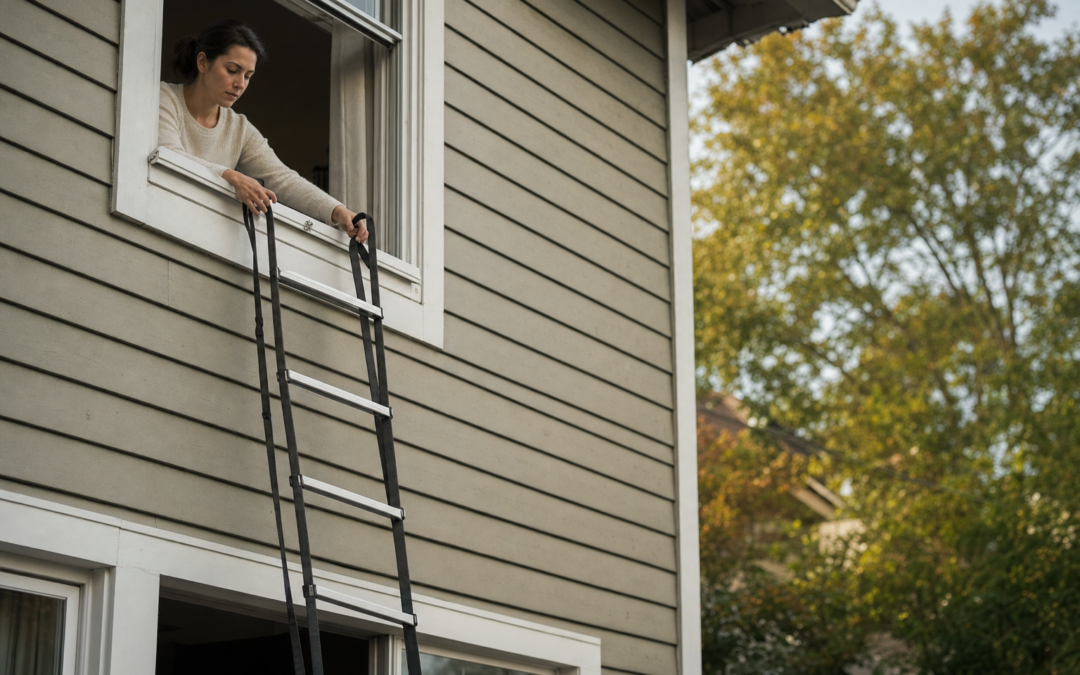
When it comes to fire safety, having a trusted escape route from your second-story bedroom can make the difference between life and tragedy. Fire escape ladders are an essential backup, offering a quick exit when your usual path is blocked. But not all ladders are created equal—window fit, storage, and realistic practice are just as important as weight capacity and length.
Whether you’re a first-time buyer or replacing an outdated model, this guide will walk you through what matters most when choosing a fire escape ladder for your second-floor bedroom. We’ll cover window compatibility, how to practice safely, smart storage, and key product features that make a ladder reliable in an emergency.
Why Every Second-Story Bedroom Needs a Fire Escape Ladder
Second-story bedrooms are particularly vulnerable during a house fire. In many homes, the only exit is often a hallway or stairwell, which may be blocked by smoke or flames. A fire escape ladder provides a vital alternative, allowing you and your loved ones to escape quickly through a window if your main route is compromised.
According to the National Fire Protection Association (NFPA), most fatal fires happen at night when people are sleeping. Having a ladder within arm’s reach can dramatically increase your chances of getting out safely. For families, especially those with children or elderly members, a dedicated ladder for each upstairs bedroom is highly recommended.
Understanding Fire Escape Ladder Types
Escape ladders for home use usually fall into two categories: permanent and portable. Permanent ladders are installed outside the home, but for most US households, portable window ladders are the preferred option. These are designed to be lightweight, compact, and easy to deploy from a bedroom window.
- Portable fire escape ladders usually fold or roll up for storage and can be quickly hooked over a window sill during an emergency.
- Permanent ladders are fixed to the exterior and may be better for apartments or multi-story homes, but they require professional installation and may not be suitable for every window or wall type.
For most second-story bedrooms, a portable, foldable model is the practical choice. The following callouts are some of the top-rated options available:

Emergency Fire Escape Ladder 2 Story,15 Ft Review — Practical fire escape ladders from HYNAWIN, summarized from hub features and listed measurements. Key figures include 2 , 15 , 180 .

First Alert Two-Story Fire Escape Ladder Review — A First Alert pick in Fire Escape Ladders that focuses on real-world usability Key figures include 14 feet, 375 pounds, 1047153.
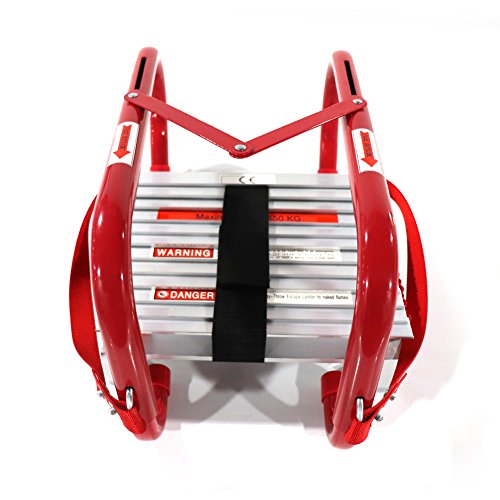
Fire Escape Ladder Review — Practical fire escape ladders from PetGirl, summarized from hub features and listed measurements. Key figures include 1, 2, 3.
Measuring for the Right Fit: Window Compatibility Matters
One of the most common mistakes when buying a fire escape ladder is overlooking window compatibility. Not every ladder fits every window—window sill width, depth, and type (wood, vinyl, metal) all play a role. Before you purchase, take these steps:
- Measure the window sill thickness—most ladders list a compatible sill range (typically 6-13 inches).
- Check the window opening size—make sure the window is wide and tall enough for both the ladder and a person to fit through safely.
- Look at the room layout—ensure there’s enough floor space to set up the ladder and climb through the window without obstructions.
Some ladders have adjustable hooks or standoffs to better fit a range of window styles, while others are designed for a specific sill depth. Always check the manufacturer’s specifications. For more on sizing and fit, see our fire safety hub for detailed guides and illustrations.
How Long Should Your Fire Escape Ladder Be?
Ladder length is crucial for safe evacuation. For most two-story homes, a 13-15 foot ladder reaches from a standard bedroom window to the ground. If your house has a raised foundation or the window sits higher than average, measure from the window sill to the ground outside to be sure. Don’t guess—being even a foot short can be dangerous.
If you have a three-story house, look for ladders in the 24-25 foot range. Ladders that are too long for a two-story drop may create excessive slack, making them harder to use safely. Stick with the length that matches your home’s specific needs, and remember that longer ladders are heavier and may be harder for children to deploy.
Weight Capacity: Who Needs to Use the Ladder?
Most quality fire escape ladders are rated for at least 375 pounds, which covers one adult plus a child, or an adult carrying a pet. If you have heavier family members, or if two people may use the ladder at once (not recommended, but sometimes necessary), check the maximum weight rating carefully.
Ladder rungs and side rails are typically made of steel or high-strength aluminum. Avoid models with plastic components, as they may not hold up under load or heat. If you have pets or small children, look for ladders with wider, slip-resistant steps for extra safety.
Storage: Where and How to Keep Your Ladder Ready
In a fire, seconds count. Your escape ladder should be stored in the bedroom, not in a closet down the hall or in the garage. Most portable ladders come with a storage box or bag designed to fit under the bed, in a nightstand, or next to the window. Here are some tips for smart storage:
- Keep the ladder in the same place—everyone in the household should know exactly where to find it, even in the dark.
- Do not store the ladder outside or in high-humidity areas where rust could form.
- Ensure the ladder is easy to remove from its packaging without fiddling with straps or locks in an emergency.
Practice retrieving and deploying the ladder during family fire drills so everyone is comfortable with the process.
Practicing Fire Drills with Your Escape Ladder
Owning a fire escape ladder is just the first step—practicing with it is equally important. Regular fire drills help everyone in your household understand how to use the ladder quickly and safely. Here’s how to practice:
- Review the instructions together—read the manual as a family before your first drill.
- Practice setting up the ladder—in a calm, non-emergency setting, hang the ladder from the window sill as you would during a real fire. If possible, practice climbing out onto the ladder (but avoid climbing all the way down unless you’re confident it’s safe).
- Teach children the basics—show them how to open the window, attach the ladder, and climb out. Supervise them closely and never let them practice alone.
Some ladders are designed for one-time use and may not be sturdy enough for repeated drills. If your ladder is reusable, make sure to inspect it after each practice for any signs of wear or damage. For one-time-use ladders, simulate the drill up to the point of actual deployment. Replace any ladder that shows rust, broken rungs, or other defects.
Choosing Ladder Features for Safety and Ease of Use
Not all fire escape ladders are created equal. When comparing models, look for these practical features:
- Anti-slip rungs—textured or grooved steps help prevent slipping, especially in socks or bare feet.
- Standoffs—these are spacers that keep the ladder away from the wall, making it easier to get a secure foothold as you descend.
- Wide, sturdy steps—wide rungs are more comfortable and stable, especially for children or elderly users.
- Easy deployment—the ladder should be quick to unroll and hook over the window sill, even in low light or smoke.
- Reusable vs. single-use—some ladders are designed for one-time use in an emergency, while others can be repacked and used for practice drills.
Don’t be swayed by gimmicks or untested features. Focus on reliability, proven safety ratings, and straightforward operation. For example, the First Alert Two-Story Fire Escape Ladder is known for its robust build and simple setup—qualities that matter most in an emergency.
Installation and Deployment: What to Expect
Unlike permanent ladders, portable fire escape ladders require no installation. However, you should familiarize yourself with the deployment process before an emergency strikes. Here’s what typically happens:
- Open the storage box or bag and remove the ladder.
- Open the window fully and clear away any screens or curtains.
- Hook the ladder’s arms securely over the window sill, ensuring a snug fit.
- Drop the ladder out the window and allow it to fully extend to the ground.
- Test the first rung with your weight before committing to the climb.
If your window has a deep sill or unusual construction, you may need a ladder with adjustable or extra-wide hooks. Practice this process in daylight and, if possible, in low-light conditions to simulate a real fire scenario.
Fire Escape Ladder Maintenance and Longevity
While fire escape ladders are designed for occasional use, regular checks are still essential. At least once a year, inspect the ladder for:
- Rust, corrosion, or bent metal parts
- Frayed or broken rungs
- Missing or loose hardware
- Stiff or stuck mechanisms (for retractable models)
Keep the ladder dry and away from chemicals or cleaning supplies. If you notice any defects, replace the ladder immediately. Never use a damaged escape ladder—your safety depends on its integrity. Some manufacturers offer replacement parts or warranties, so keep your receipt and product information handy.
Additional Tips for Fire Escape Planning
Buying the right ladder is just one part of a comprehensive fire safety plan. Here are a few additional recommendations:
- Install smoke alarms in every bedroom and on every floor. Test them monthly.
- Keep escape routes clear—don’t block windows or pathways with furniture, toys, or clutter.
- Teach everyone how to unlock and open windows quickly, especially if your home has security bars or childproof locks.
- Designate a meeting spot outside where everyone gathers after escaping.
- Practice your escape plan twice a year, including ladder deployment if your model is reusable.
For more in-depth advice on home fire safety, including extinguisher recommendations and family planning resources, visit our comprehensive fire safety hub.
Frequently Asked Questions
- Can I use a fire escape ladder on any window? Not always. Check the ladder’s window sill compatibility and make sure your window opens wide enough for safe egress.
- Are fire escape ladders reusable? Some are, but many are designed for one-time use. Always check your model’s instructions before practicing full deployment.
- Should each bedroom have its own ladder? Yes, especially if family members sleep with doors closed. Seconds count, and retrieving a ladder from another room wastes precious time.
- Can children use fire escape ladders? With supervision and practice, most children over age 8 can safely use a ladder. Always include children in your fire drills and provide close guidance.
- How long do fire escape ladders last? With proper storage, a quality ladder can last many years. Inspect annually and replace if you see any signs of damage or rust.
Conclusion: Make Fire Safety a Priority
Choosing the right fire escape ladder for your second-story bedroom is a vital step toward a safer home. Focus on window compatibility, reliable construction, practical storage, and regular practice. In a real emergency, being prepared can save lives.
Review your home’s layout, measure your windows, and select a ladder that fits your needs and your family’s skills. Don’t forget to include everyone in fire drills and keep your ladder accessible at all times. For more details, product reviews, and expert tips, explore our full range of resources at the Home Defense Tips fire safety hub.
Fire Escape Ladder Purchase Checklist
Before finalizing your fire escape ladder purchase, use this checklist to ensure you’re making a safe, compatible, and practical choice for your second-story bedroom:
- Window measurements: Record the width, height, and sill depth of your escape window.
- Ladder length: Confirm the ladder is long enough to reach the ground from your window (typically 13–15 feet for a second story).
- Weight capacity: Verify the ladder’s maximum weight rating exceeds the combined weight of the heaviest person who may need to use it, plus a margin for safety.
- Attachment mechanism: Make sure the hooks or brackets are compatible with your window sill and can be quickly deployed in an emergency.
- Anti-slip rungs: Look for rungs with non-slip surfaces to prevent falls, especially in wet or smoky conditions.
- Stabilizers or stand-offs: Choose a ladder with stabilizers if your home has siding or landscaping that could interfere with a safe descent.
- Storage: Check that the ladder can be stored near the escape window, out of the way but easily accessible to all users, including children.
- Practice: Plan to hold regular drills so everyone in the home knows how to use the ladder quickly and safely.
Common Mistakes When Buying and Using Fire Escape Ladders
Even the best ladder won’t help if it’s the wrong fit or used incorrectly. Avoid these frequent mistakes to ensure your escape plan works when you need it most:
- Ignoring window style: Some ladders don’t fit casement or sliding windows. Always check compatibility with your specific window type.
- Buying the wrong length: A ladder that’s too short or too long is unsafe. Measure from the window sill to the ground with a tape measure.
- Forgetting about weight limits: Exceeding the ladder’s weight capacity can cause it to fail. Choose a model rated for at least 1.5 times your heaviest family member.
- Not practicing with the ladder: In an emergency, panic can set in. Practice setting up and climbing down the ladder (from a low height) so everyone is comfortable with the process.
- Poor storage location: A ladder buried in a closet or attic is useless in an emergency. Store it close to your escape window for immediate access.
- Assuming one ladder is enough: Each second-story bedroom should have its own ladder. Fires can block access to hallways or other rooms.
Fire Escape Ladder Maintenance and Inspection
Routine maintenance is essential to ensure your fire escape ladder will work flawlessly when you need it. Here are some key maintenance steps:
- Annual inspection: Unpack and inspect your ladder at least once a year. Look for rust, frayed straps, bent rungs, or broken hooks.
- Cleanliness: Keep the ladder clean and dry. If it gets wet, dry it thoroughly before repacking to prevent rust or mold.
- Storage: Store the ladder in a cool, dry place near your escape window. Avoid locations with high humidity or temperature extremes.
- Practice drills: Occasionally practice deploying the ladder with all family members, but avoid putting full weight on it unless the manufacturer allows for practice use.
- Replacement: If you notice any damage, or if the ladder is more than 10 years old (check manufacturer recommendations), replace it immediately.
Remember, a neglected ladder can become a hazard rather than a lifesaver. Make inspection and maintenance part of your annual home safety routine.
Frequently Asked Questions About Fire Escape Ladders
How do I know what size ladder I need for my second-story bedroom?
Most second-story windows are 13–15 feet above the ground, but always measure from your window sill to the ground outside to ensure a proper fit. Factor in any landscaping or basement window wells that could affect the ladder’s reach.
Can children or elderly family members use fire escape ladders safely?
Many ladders are designed for adult use, but some models feature wider rungs, anti-slip treads, and stabilizers to help children and seniors. Practice is key—hold regular drills and offer assistance as needed during emergencies.
Can I reuse a fire escape ladder after an emergency?
Most portable escape ladders are designed for one-time use, as the forces during an emergency descent can compromise their structural integrity. Check your manufacturer’s instructions—if your ladder is single-use, replace it after any deployment.
Do fire escape ladders work with all window types?
Not always. Some ladders are incompatible with casement, sliding, or unusually narrow windows. Always check the manufacturer’s specifications for minimum and maximum sill thickness and window opening size before purchasing.
Should I practice using my fire escape ladder?
Yes. Practicing deployment helps ensure everyone can use the ladder quickly and safely under stress. However, some ladders are not designed for repeated full-weight use, so follow manufacturer guidelines and consider practicing at ground level or with supervision.
How should I store my fire escape ladder?
Store the ladder close to your escape window, ideally in a dedicated box or bag. It should be out of the way but accessible to all household members, including guests and children. Avoid storing it in damp or hard-to-reach areas.
What if my window has a screen or security bars?
In an emergency, you must be able to remove screens or open security bars quickly. Consider quick-release bars for bedrooms and practice removing window screens as part of your fire drill routine. If security bars can’t be opened quickly, consult a professional for alternatives.