
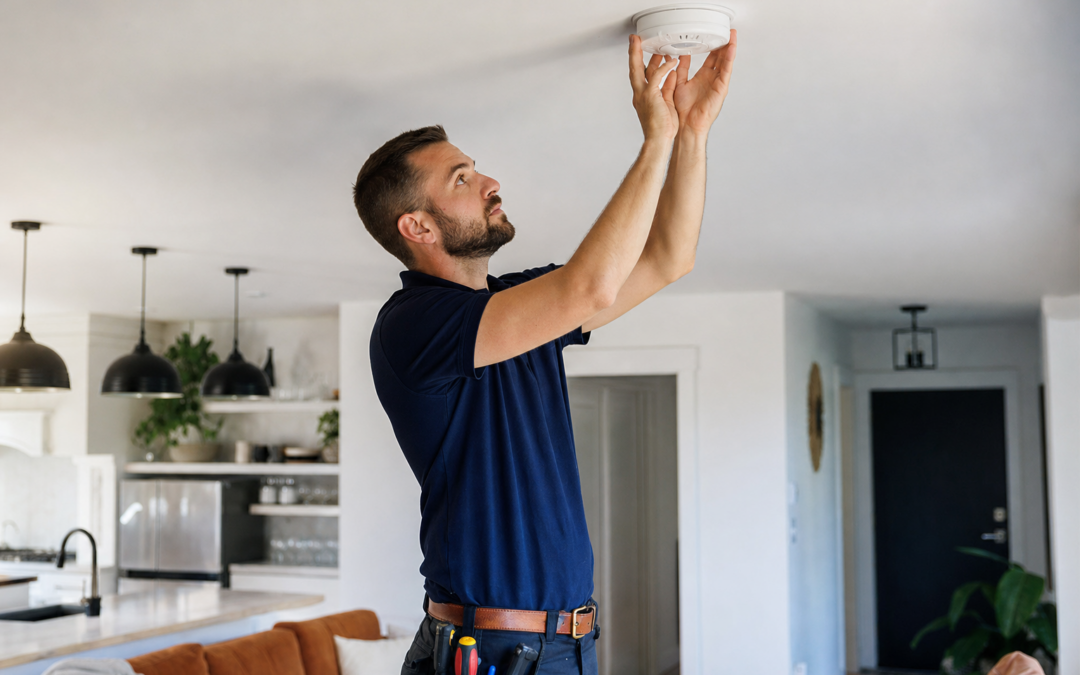
Proper smoke and carbon monoxide (CO) detector placement is one of the most effective ways to protect your home and family from fire and invisible gas hazards. Knowing where and how to install detectors on every floor can make a crucial difference in both early warning and occupant safety. This guide breaks down practical steps to ensure your alarms are correctly positioned, interconnected, and replaced at the right intervals.
Most home fires and CO leaks occur without warning, and their dangers escalate rapidly. Relying on guesswork or outdated single alarms may leave critical gaps in your protection. By following the latest recommendations for multi-floor detector placement and maintenance, you can take a proactive approach to fire and CO safety. For a broader look at home fire safety, visit our fire safety hub for more resources.
Why Detector Placement Matters on Every Floor
National Fire Protection Association (NFPA) research shows that most fatal home fires occur at night, when occupants are asleep and unaware of smoke or toxic gases. Carbon monoxide incidents can be just as deadly, especially since CO is odorless and invisible. Placing detectors correctly on every floor—including basements and attics—maximizes the chances that alarms will sound in time for safe evacuation.
- Smoke rises: Detectors must be installed on ceilings or high on walls, as smoke moves upward through stairwells and open spaces.
- CO mixes throughout air: CO detectors should be installed at breathing height (about 5 feet from the floor) or as specified by the manufacturer.
- Multiple floors, multiple risks: Fires can start anywhere—kitchen, laundry, garage, or attic—so coverage on all levels is essential.
How Many Detectors Do You Need?
The minimum coverage recommended by the NFPA and most local building codes is:
- One smoke detector inside every bedroom
- One smoke detector outside each sleeping area (such as a hallway)
- At least one smoke detector on every level of the home, including basements and finished attics
- At least one CO detector on each level of the home, including the basement
- CO detectors outside each sleeping area
Larger homes, or those with multiple wings or split levels, may require additional units for full coverage. Always check your local building codes for any stricter requirements.

First Alert BRK SMI100-AC Hardwired Smoke Detector with Battery Backup Review — An editorial look at this First Alert option for smoke detectors & fire alarms — specs first, marketing second. Key figures include 6 pack, 120, 9.
Best Locations for Smoke Detectors
For smoke detectors to provide fast and reliable alerts, their placement must follow a few key rules:
- Ceiling mounting is best: Place detectors at least 4 inches away from the nearest wall.
- Wall mounting: If ceiling mounting isn’t possible, place the detector 4 to 12 inches down from the ceiling.
- Avoid dead air spaces: Corners and where ceilings meet walls can trap smoke and delay detection.
- Keep away from drafts: Don’t install detectors near windows, doors, or air ducts where drafts may interfere with operation.
- Install in stairways: Place alarms near the top of each stairway, as smoke rises quickly between levels.
Rooms with ceiling fans or high vaults may require special consideration; avoid placing detectors too close to fans or in areas of turbulent airflow.
Best Locations for Carbon Monoxide Detectors
CO is slightly lighter than air, but it spreads evenly throughout a space, so placement is slightly more flexible—but still critical:
- Install at breathing level: Mount CO detectors about 5 feet from the floor or according to manufacturer’s guidelines.
- Outside bedrooms: Place a CO detector within 10 feet of each sleeping area to ensure you’ll hear alerts while sleeping.
- On each floor: Include one on every level, including the basement and finished attic spaces.
- Near fuel-burning appliances: Install a detector near (but not directly above) furnaces, gas stoves, water heaters, or fireplaces—at least 10 to 15 feet away to avoid nuisance alarms.
Avoid placing CO detectors in bathrooms, near windows or doors, or in direct sunlight, which can affect sensor accuracy.

First Alert Battery Combination Smoke & Carbon Monoxide Alarm Review — An editorial look at this First Alert option for combination smoke & carbon monoxide detectors — specs first, marketing second. Key figures include 2, 1 , 1.
How to Interconnect Smoke and CO Alarms
Interconnected alarms are a major safety upgrade, especially for multi-story homes. When one alarm detects smoke or CO, all connected alarms sound throughout the house. This ensures that even if a fire or CO leak starts in the basement or an isolated room, everyone in the home is alerted promptly.
- Hardwired interconnect: Many modern homes have wiring that allows compatible smoke and CO alarms to be physically interconnected.
- Wireless interconnect: Battery-operated models are available that communicate via radio frequency, making them ideal for retrofits or older homes.
- Mixing brands: For interconnectivity, use alarms from the same manufacturer and product line unless the instructions specifically state otherwise.
Look for the “interconnectable” feature when shopping for new alarms. It’s essential to test interconnected systems regularly to ensure all units are communicating properly.
Replacing and Maintaining Your Detectors
Smoke and CO detectors have a finite lifespan, and their sensors degrade over time. Regular replacement is just as important as initial installation:
- Replace smoke detectors every 10 years, even if they appear to work.
- Replace CO detectors every 5–7 years (check manufacturer’s recommendations).
- Test alarms monthly by pressing the test button.
- Replace batteries at least once a year, or when the detector signals a low battery warning.
- Vacuum the exterior of each detector annually to remove dust and cobwebs.
Mark the installation and expiration date on each alarm with a permanent marker to keep track of replacement schedules.

First Alert Battery Smoke Alarm Review — Practical smoke detectors & fire alarms from First Alert, summarized from hub features and listed measurements. Key figures include 3, 5.6 , 0.6 pounds.
Where Not to Install Smoke and CO Detectors
Improper placement can reduce detector reliability or cause nuisance alarms. Avoid installing detectors:
- Too close to kitchens (smoke alarms should be at least 10 feet from kitchen appliances)
- Within 3 feet of bathrooms with showers (steam may trigger false alarms)
- Near windows, doors, or air vents (drafts can interfere with detection)
- In unheated attics or garages (extreme temperatures may damage sensors)
- Directly above stoves or fireplaces (may cause false alarms or damage the unit)
Always follow the installation instructions provided by the manufacturer for best results.
Combination Smoke and CO Detectors: Pros and Cons
Many homeowners opt for combination smoke and CO detectors to simplify installation and maintenance. These devices can be a smart choice if:
- You want fewer devices on your walls and ceilings
- You need to cover multiple risks in one location (such as a hallway outside bedrooms)
- You’re replacing old single-purpose alarms
However, combination units must be installed in locations that meet the requirements for both smoke and CO detection (typically on ceilings or high on walls outside sleeping areas). Always check that the alarm is certified for both hazards. Some homes may still require additional single-purpose detectors to ensure full coverage in all necessary locations.

First Alert Hardwire Smoke Alarm Review — First Alert smoke detectors & fire alarms gear aimed at buyers who want clear specs before they click through. Key figures include 6, 21.63 .
Special Considerations for Basements, Attics, and Garages
Fire and CO hazards aren’t limited to living areas. Basements, attics, and garages present unique risks and should not be overlooked:
- Basements: Install both smoke and CO detectors. Many home heating appliances are located here, and fires can go undetected for longer if alarms are absent.
- Attics: If your attic is finished or used for sleeping, install detectors. For unfinished attics, check local codes—smoke detectors may be required if there are electrical components.
- Garages: CO detectors are recommended, especially if the garage is attached. Never install a smoke detector in a garage, as car exhaust and temperature swings can cause false alarms and damage the unit.
Always choose detectors rated for the temperature and humidity conditions of the space. Extreme cold or heat can affect alarm performance.
How to Test and Troubleshoot Your Detectors
Routine testing and maintenance are vital to ensure your alarms will work when needed. Here’s a checklist for monthly testing and troubleshooting:
- Test monthly: Press the test button on all alarms. The siren should sound loudly and clearly.
- If the alarm is silent: Replace the batteries or the entire unit if it’s older than the recommended lifespan.
- If the alarm chirps: This usually indicates a low battery. Replace with a fresh battery and retest.
- Check interconnectivity: For interconnected alarms, test one and ensure all others sound as well.
- Clean regularly: Gently vacuum the detector’s exterior to remove dust, which can interfere with sensors.
- Review placement: If you have frequent nuisance alarms, check for improper placement near steam, cooking fumes, or drafts.
If an alarm continues to malfunction after troubleshooting, replace it promptly to maintain protection.
Smoke and CO Detector Placement for Multi-Story Homes
Multi-story homes require careful planning to ensure every floor and sleeping area is covered. Here’s a floor-by-floor breakdown:
- Basement: Install a smoke detector at the bottom of the stairs and a CO detector near fuel-burning appliances.
- First floor (main living): Place a smoke detector near the kitchen (but at least 10 feet away), in hallways, and at the base of stairways. A CO detector should be installed near sleeping areas and on this level, even if there are no bedrooms.
- Second floor (bedrooms): Install smoke detectors inside every bedroom and outside sleeping areas. Place a CO detector in the hallway outside bedrooms.
- Attic (if finished): Place smoke and, if needed, CO detectors as per manufacturer’s guidelines.
For split-level homes, treat each distinct level or wing as a separate floor for alarm coverage purposes.
Integrating Detectors with Smart Home Systems
Many modern smoke and CO alarms offer smart features, such as Wi-Fi connectivity, mobile alerts, and integration with home automation systems. These features can:
- Send alerts to your phone if an alarm sounds while you’re away
- Enable remote testing and silencing (when safe to do so)
- Integrate with smart thermostats or security systems
Smart detectors can be especially valuable in large homes or for families with frequent travelers. However, the basics of placement still apply—smart features do not replace proper installation and maintenance.
Final Checklist: Ensuring Full Coverage
Before finishing your installation or annual checkup, review this quick checklist:
- Smoke detectors in every bedroom, outside sleeping areas, and on all floors
- CO detectors on every level and outside sleeping areas
- Alarms are not installed near drafts, excessive humidity, or heat sources
- All alarms are tested monthly and batteries replaced as needed
- Replacement dates are marked and followed
- Interconnected alarms are functioning together
This attention to detail ensures your home is protected against both smoke and carbon monoxide hazards day and night.
For more details on fire and safety strategies, product reviews, and maintenance tips, check out our fire safety hub.
Comprehensive Detector Placement Checklist
- Review your floor plan: Identify all bedrooms, hallways, stairways, and utility areas on each floor.
- Count required detectors: Ensure you have at least one smoke detector inside every bedroom, one outside each sleeping area, and one on every level (including basement and attic if finished).
- CO detector coverage: Place at least one CO detector on each floor, especially near sleeping areas and fuel-burning appliances.
- Check mounting positions: For smoke detectors, mount on ceilings or high on walls, away from corners. For CO detectors, mount at breathing height per manufacturer’s instructions.
- Keep clear of obstructions: Avoid installing detectors near vents, fans, windows, or high humidity areas like bathrooms.
- Interconnect alarms: If possible, use interconnected alarms so when one sounds, all sound—especially important for larger or multi-story homes.
- Label installation dates: Mark the installation month and year on each detector for easy replacement tracking.
- Test after installation: Use the test button to verify each detector is working after installation.
Common Mistakes in Detector Placement
- Ignoring the basement or attic: Many homeowners skip these levels, leaving potential hazards undetected.
- Placing detectors in kitchens or garages: This can lead to nuisance alarms due to cooking smoke or car exhaust—install nearby but not directly in these areas.
- Mounting too close to windows or vents: Airflow can prevent smoke or CO from reaching the sensor in time.
- Neglecting to interconnect alarms: Standalone alarms may not wake everyone in a large or multi-level home.
- Improper mounting height: Mounting detectors too low (for smoke) or too high (for CO) can delay detection.
- Forgetting to replace old detectors: Detectors lose sensitivity over time; most need replacement every 7-10 years.
- Not reading the manual: Manufacturer instructions often include crucial placement and maintenance tips specific to each model.
Detector Maintenance and Testing Tips
Proper placement is only effective if your detectors are in working order. Regular maintenance is essential for reliable performance:
- Test alarms monthly: Press the test button on each unit to ensure the alarm sounds.
- Replace batteries: Change batteries at least once a year, or sooner if the detector chirps a low battery warning. Many modern alarms now use sealed 10-year batteries.
- Clean regularly: Dust, cobwebs, and debris can interfere with sensors. Gently vacuum the exterior of each unit every few months.
- Replace units as needed: Smoke detectors typically last 8-10 years; CO detectors, about 5-7 years. Check the manufacturer’s date and replace as recommended.
- Log maintenance: Keep a simple record of installation dates, battery changes, and test results for each detector.
- Respond to chirps immediately: Never ignore a chirping detector—it’s a sign the battery is low or the unit has reached the end of its life.
- Check after renovations: Dust from remodeling or moving detectors can affect performance. Always test alarms after major work in your home.
Following these steps ensures your alarms remain ready to alert you in an emergency.
Frequently Asked Questions About Smoke and CO Detector Placement
Do I need both smoke and CO detectors if I don’t have gas appliances?
Yes. Even if your home is all-electric, CO can enter from attached garages, nearby generators, or neighboring units in multifamily buildings. Fires can also produce carbon monoxide. For complete safety, install both types on every floor.
How far from a kitchen should I install a smoke detector?
Install smoke detectors at least 10 feet away from cooking appliances to minimize nuisance alarms. If your kitchen is open to a hallway or living area, place the detector just outside the kitchen zone.
Where should I NOT install a smoke or CO detector?
- Bathrooms (steam can cause false alarms)
- Near heating or cooling ducts (airflow can affect sensors)
- Directly above stoves, ovens, or fireplaces
- In unheated attics or garages (unless designed for extreme temperatures)
Can I use combination smoke/CO detectors?
Yes, combination detectors are a great option for many homes. Install them in areas where both risks are present, following the placement guidelines for both smoke and CO alarms. However, you may still need additional standalone detectors to meet code requirements for every bedroom and level.
What’s the benefit of interconnected detectors?
Interconnected alarms—wired or wireless—ensure that if one detector senses danger, all alarms in the home will sound. This is especially important for multi-story houses, larger homes, or if bedrooms are far from common areas.
How can I remember to test and maintain my detectors?
Set a recurring reminder on your phone or calendar for monthly tests and annual battery changes. Many people choose to check detectors during daylight saving time changes as an easy-to-remember routine.
Summary Safety Tips
- Install smoke and CO detectors on every level, inside and outside all sleeping areas, and near potential sources of fire or CO.
- Follow manufacturer instructions for exact placement and mounting height.
- Test, clean, and replace detectors regularly for optimal performance.
- Don’t ignore low-battery chirps or expired units—replace them promptly.
- Interconnect alarms for maximum early warning coverage.
With the right placement, regular testing, and a proactive approach, you can maximize your home’s protection against smoke and carbon monoxide hazards.