
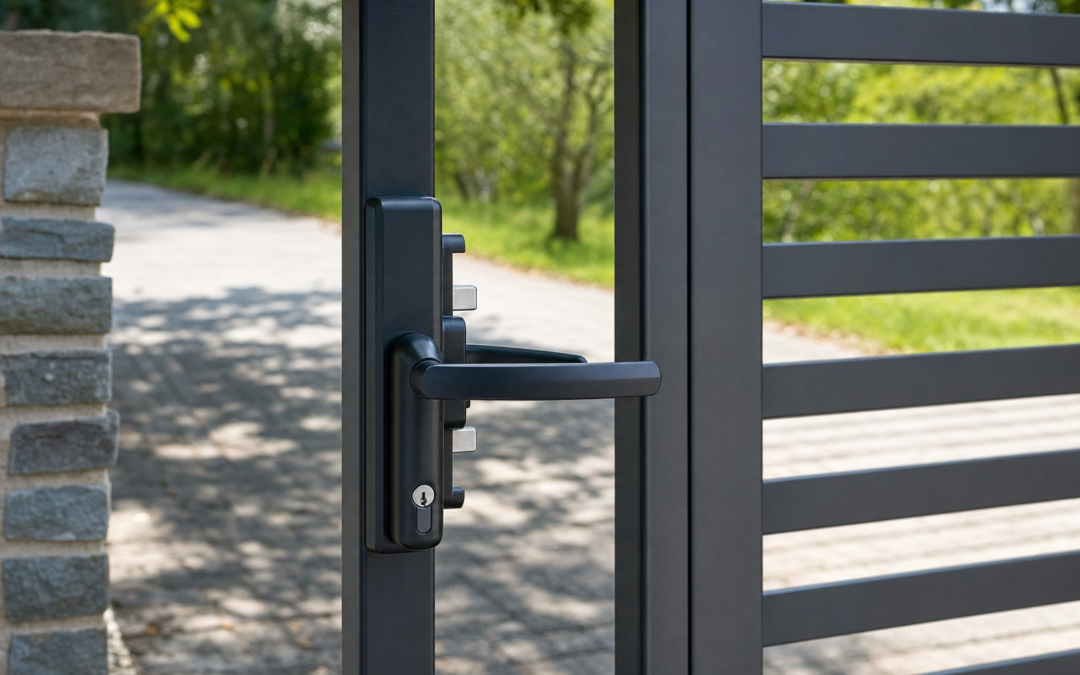
Securing your property starts at the perimeter, and your gates are the first line of defense against unwanted entry. Whether you’re safeguarding a backyard, driveway, or business lot, the right combination of gate latches, locks, and closers can dramatically improve your outdoor security. With so many options on the market, it’s important to understand which hardware best fits your needs, offers reliable protection, and stands up to daily use and weather.
This guide breaks down the essentials of gate security hardware—covering the types, installation tips, and maintenance advice you need to make informed choices. If you’re looking to upgrade your home’s security from the outside in, you’ll find actionable recommendations and product insights here. For a broader look at outdoor security strategies, check out our outdoor security hub for more resources.
Why Gate Security Matters
Gates are more than just entry points—they’re critical barriers that help protect your family, pets, and property. A weak or poorly secured gate can be an open invitation for trespassers, burglars, or even wildlife. Investing in robust latches, locks, and closers ensures your gate remains a reliable obstacle, not a vulnerability. Beyond deterring intruders, quality hardware also helps prevent accidental openings caused by wind, pets, or children, giving you greater peace of mind.
Types of Gate Latches: Choosing the Right Fit
Gate latches come in a variety of designs, each with its own strengths. Picking the right latch depends on your gate’s material, intended use, and the level of security required. Here are the main types you’ll encounter:
- Gravity Latches: These auto-engage when the gate closes, making them popular for garden or pool gates. They’re simple and effective but may not offer the highest security.
- Spring-Loaded Latches: Adding a spring mechanism allows for self-latching and often easier one-handed operation. These are useful for gates that see frequent use.
- Thumb Latches: Traditional and attractive, thumb latches operate with a lever and catch. Best for decorative wooden gates and lighter security needs.
- Slide Bolts: A robust option, these use a metal rod that slides into a catch. Strong and reliable for side yard or driveway gates, especially when paired with a padlock.
- Ring Latches: Common on garden gates, these use a ring or handle on each side to lift the latch. They’re best for privacy rather than high security.
When selecting a latch, consider the gate’s weight, how often it’s used, and whether you need locking capability. Some latches can be upgraded for added security, while others are best suited for basic closure.
Gate Locks: From Simple to High-Security
While latches keep gates closed, locks prevent unauthorized access. The best gate lock for you depends on the threat level, gate design, and how often you need to lock or unlock it. Here are the most common types:
- Padlocks: Versatile and affordable, padlocks can be used with slide bolts or chains. Opt for weatherproof, rust-resistant models for outdoor use.
- Keyed Gate Locks: These are built into the gate hardware, providing an integrated locking solution. They’re more secure than padlocks and harder to cut or force open.
- Combination Locks: Ideal for shared access (like community pools), these eliminate the need for keys but require careful code management.
- Electronic & Smart Locks: For high-traffic or high-security gates, electronic locks offer keypad entry or even smartphone control. These are great for business properties, rental units, or tech-forward homes.
Some gates, especially metal or chain link models, may require specialized locks or adapters. Always check compatibility before purchasing. Weather resistance and tamper-proof designs are must-haves for exterior use.

Rerishom Door Security Bar Review — A Rerishom pick in Gate Locks that focuses on real-world usability Key figures include 17.5 , 46 inches, 1.57.
Understanding Gate Closers: Automatic Safety
Gate closers are devices that automatically bring your gate to a gentle, controlled close after being opened. They’re essential for pedestrian gates, pool enclosures, and anywhere safety or security is a concern. The main types include:
- Spring Hinges: These combine a hinge and a spring, causing the gate to swing shut on its own. They’re simple to install and work well on lightweight gates.
- Hydraulic or Pneumatic Closers: Offering adjustable speed and force, these are ideal for heavier gates or where a soft, silent close is desired. They’re more expensive but provide consistent performance.
- Gravity Closers: Relying on the angle of installation, these use gravity to bring the gate shut. Less precise, but useful in some sloped settings.
Properly adjusted closers prevent gates from slamming (which can damage hardware) and ensure the latch or lock fully engages. For pool and child safety gates, self-closing hardware is often required by law.
Matching Hardware to Gate Materials
Not all gate hardware works with every material. Choosing hardware that matches your gate’s construction ensures a secure fit and long-term durability. Here’s what to consider:
- Wood Gates: Most latch and lock types are compatible, but use galvanized or stainless steel components to prevent rust and stains. Heavier wood gates may need reinforced hardware.
- Metal Gates (Wrought Iron, Steel, Aluminum): Opt for hardware specifically designed for metal mounting. Weld-on latches and locks provide extra strength, while bolt-on options are easier for DIYers.
- Vinyl or Composite Gates: Use non-corrosive hardware and avoid overtightening, which can crack or deform the material. Some manufacturers offer matching hardware sets for best results.
- Chain Link Gates: Special latch and lock systems are available that clamp onto the tubular frame. Padlocks and slide bolts are commonly used here.
Always use hardware rated for outdoor use, and check weight limits to prevent sagging or premature failure.
Installation Tips: Secure and Long-Lasting Hardware
Installing gate hardware isn’t just about following instructions—it’s about maximizing security and longevity. Here are key tips for a successful setup:
- Use the right fasteners: Stainless steel or galvanized screws and bolts resist rust. Avoid nails, which can loosen over time.
- Reinforce mounting points: For heavy gates, use backing plates or longer screws to distribute force and prevent pull-out.
- Align hardware carefully: Misaligned latches or locks may not engage properly, leaving your gate vulnerable. Double-check measurements before drilling.
- Weatherproof all hardware: Apply a dab of exterior-grade lubricant to moving parts and seal exposed screw holes with outdoor caulk.
- Test after installation: Open and close the gate multiple times to ensure smooth operation and full engagement of the latch and lock.
If you’re not comfortable drilling into masonry, metal, or complex gates, consider hiring a professional installer for best results.
Maintaining Your Gate Hardware
Regular maintenance keeps your gate hardware functioning smoothly and extends its lifespan. Here’s what to include in your routine:
- Inspect for wear: Check for rust, corrosion, or loose fasteners every few months, especially after severe weather.
- Lubricate moving parts: Use a silicone-based spray or lithium grease on hinges, latches, and locks at least twice a year.
- Tighten hardware: Gates see a lot of movement, which can loosen screws and bolts. Retighten as needed to prevent sagging or misalignment.
- Replace worn components: If a latch or lock shows signs of failure, replace it immediately. Most hardware is designed for straightforward swap-outs.
- Clean surfaces: Remove dirt, leaves, and debris that can trap moisture against metal and promote rust.
Proper care not only keeps your gate secure but also maintains its appearance and value.
Integrating Gate Security with Surveillance Systems
Physical barriers are just one part of a complete security strategy. Consider pairing your gate hardware with surveillance cameras or alarm systems for added deterrence and evidence in case of incidents. Cameras can be positioned to monitor gate activity, capture license plates, or send alerts to your phone. Some smart locks even integrate with home automation systems, letting you check or control your gate remotely.

Blink Outdoor 4 – Wireless smart security camera Review — An editorial look at this Blink option for categories — specs first, marketing second. Key figures include 4 , 53, 5 .
When choosing surveillance equipment, opt for weatherproof models with night vision and motion detection. A camera at your gate can also help with package deliveries, visitor management, and monitoring children or pets in your yard.
Legal and Safety Considerations
Some localities have specific codes regarding gate hardware, particularly for pool enclosures or shared community spaces. Common requirements include:
- Self-closing and self-latching gates: Often mandated for pool safety gates to prevent child access.
- Minimum latch height: Pool gate latches typically must be installed at least 54 inches above ground level.
- Lock requirements: Rental properties or multi-family units may require keyed or combination locks for liability reasons.
- Accessibility: Gates on public or commercial properties must comply with ADA standards for operability.
Always check with your local building department or HOA before making upgrades to ensure compliance. Non-compliant hardware could expose you to fines or legal risk in the event of an accident.
Upgrading Existing Gates: What to Look For
Retrofitting an older gate with new hardware is a cost-effective way to boost security. When upgrading, keep these pointers in mind:
- Assess the gate’s condition: Ensure the structure is sound—no rot, rust, or sagging—before installing new hardware.
- Measure carefully: Not all latches or locks are universal; check hole spacing, gate thickness, and post dimensions.
- Consider add-ons: Anti-lift devices, strike plates, or reinforcing brackets can add strength to vulnerable areas.
- Look for multi-purpose hardware: Some latches combine locking and self-closing features, reducing the number of components you need.
- Check for compatibility with automation: If you plan to add an electric opener or intercom, choose hardware that won’t interfere.
Upgrades can often be completed with basic tools, but more complex setups (like electronic locks) may require professional wiring.
Weatherproofing and Durability: Materials Matter
Outdoor gate hardware faces tough conditions—rain, snow, sun, and temperature swings all take their toll. The best hardware uses materials and finishes designed for outdoor survival:
- Stainless Steel: Highly resistant to rust and corrosion, ideal for coastal or humid climates.
- Galvanized Steel: Coated for rust protection, suitable for most environments but watch for scratches that expose raw metal.
- Brass or Bronze: Naturally corrosion-resistant, though usually pricier and often chosen for appearance on decorative gates.
- Powder-Coated Hardware: A tough finish that protects against weather and fading, available in various colors to match your gate.
- Plastic/Nylon Components: Used for some latches and closers, these resist rust but may degrade faster in sunlight or extreme cold.
Regularly inspect finishes and touch up scratches or chips to maintain protection. In areas with extreme weather, consider hardware with manufacturer warranties for peace of mind.
Smart Gate Hardware: Technology Meets Security
Modern gate hardware isn’t limited to keys and padlocks. Smart options bring convenience and enhanced control to your perimeter security. Key features include:
- Keypad entry: Set and share codes for family, guests, or deliveries.
- Remote control: Open or lock your gate from your smartphone or a dedicated remote.
- Integration with home automation: Pair with smart cameras, alarms, or voice assistants for comprehensive control.
- Audit trails: Some smart locks log access times and users, useful for rental properties or businesses.
- Tamper alerts: Receive notifications if someone tries to force or bypass your gate lock.
Smart hardware is especially practical for driveway gates, community pools, and rental properties where access needs to be managed remotely. Just be sure to choose products with secure encryption and regular firmware updates to prevent hacking.

Rerishom Door Security Bar Review — Practical gate locks from Rerishom, summarized from hub features and listed measurements. Key figures include 17.5 , 46 inches, 1.57.
Signage and Deterrence: The Finishing Touch
Visible deterrents can be just as powerful as physical barriers. Security signs, warning labels, and even “Beware of Dog” notices send a clear message to would-be intruders: this property is protected. Studies show that signage can reduce the likelihood of opportunistic crime by making your security measures obvious.
Place signs near gates and other access points, and ensure they’re readable from a distance. For best effect, pair signage with actual security features like cameras or alarms. Even simple “Property Under Surveillance” signs can make a difference.

10″ x 28″ Home Security System Sign Review — An editorial look at this AzReference option for yard signs — specs first, marketing second. Key figures include 10 , 10 inch, 40 .
Final Thoughts: Building a Secure Perimeter
Gate security hardware is a foundational element of any outdoor security strategy. By choosing the right latches, locks, and closers—and maintaining them properly—you can turn your gate from a potential weak spot into a strong line of defense. Whether you’re protecting a backyard, business, or community space, take the time to match your hardware to your needs, climate, and gate material. Don’t forget to integrate with surveillance and signage for a layered approach that deters, delays, and documents any unauthorized access.
For more tips and product reviews to help you secure your entire property, explore our outdoor security guides. Your gate is just the beginning—build a perimeter you can trust, starting today.
Gate Security Maintenance Tips
Proper maintenance is crucial for ensuring your gate hardware continues to provide reliable security year after year. Failing to keep latches, locks, and closers in good condition can result in malfunctions or vulnerabilities. Here’s how to keep your gate protection at its best:
- Regular Inspection: Check all hardware components at least twice a year for signs of rust, wear, or loose fittings. Pay special attention after heavy storms or periods of extreme weather.
- Lubrication: Apply a weather-appropriate lubricant to moving parts such as hinges, latches, and locks. This helps prevent sticking and corrosion, especially in humid or coastal areas.
- Tighten Hardware: Screws, bolts, and brackets can work loose over time. Use a screwdriver or wrench to tighten any hardware that appears wobbly or misaligned.
- Clean Routinely: Remove dirt, leaves, and other debris from around the latch and lock mechanisms. This prevents jamming and ensures smooth operation.
- Replace Damaged Parts: Don’t wait for a complete failure. If you notice a latch that doesn’t catch securely or a lock that’s difficult to turn, replace it promptly with a suitable upgrade.
For electronic or smart gate locks, follow the manufacturer’s guidelines for software updates and battery replacements. Keeping your hardware in top shape will maximize both convenience and protection.
Common Gate Hardware Mistakes to Avoid
Even with the best intentions, homeowners often make simple errors when choosing or installing gate security hardware. Avoid these common pitfalls for a safer, more reliable setup:
- Using Indoor-Only Hardware: Not all locks and latches are rated for outdoor use. Always select weather-resistant products designed to withstand rain, UV exposure, and temperature swings.
- Improper Sizing: Gates vary in thickness and weight. Using hardware that’s too small or too large can lead to poor alignment, sagging, or even breakage.
- Skipping the Closer: Omitting an automatic gate closer, especially for pool or pet enclosures, can result in gates being left open accidentally, compromising safety.
- Neglecting Child Safety: If young children use the area, choose child-proof latches and locks placed out of reach to prevent accidental access to pools or busy streets.
- Overlooking Compatibility: Not all locks and latches work with every gate material (wood, metal, vinyl). Check compatibility before buying or drilling new holes.
- Poor Installation: Rushing the installation or ignoring instructions can weaken security. Take your time, use the correct tools, and consider professional help for complex setups.
By steering clear of these mistakes, you’ll ensure your investment in gate security hardware pays off with lasting protection.
Gate Security Hardware Installation Checklist
Before you begin your gate hardware upgrade, use this checklist to ensure a smooth, secure installation:
- Confirm gate material (wood, metal, vinyl) and measure thickness for hardware compatibility.
- Choose weather-resistant, outdoor-rated latches, locks, and closers.
- Gather necessary tools: drill, screwdriver, wrench, measuring tape, level, and lubricant.
- Read all manufacturer instructions carefully before starting.
- Mark and pre-drill mounting holes for precise alignment.
- Install latches and locks at appropriate heights for your needs (consider child safety).
- Attach closers and adjust tension/speed according to gate weight and usage.
- Test all hardware multiple times to ensure smooth operation and proper engagement.
- Apply lubricant and make final adjustments as needed.
- Secure spare keys or record lock combinations in a safe place.
Completing this checklist will help you avoid surprises and ensure your gate is secure from day one.
Gate Security Hardware FAQ
How often should I replace my gate lock or latch?
There’s no universal timeline, but inspect your hardware every six months for signs of rust, wear, or malfunction. Replace any component that feels loose, no longer latches securely, or shows significant corrosion. High-traffic gates may require more frequent updates.
Can I install gate hardware myself, or should I hire a professional?
Many homeowners can install basic locks, latches, and closers with standard tools and careful attention to instructions. For electronic locks or custom gates, hiring a professional may ensure optimal security and functionality. If you’re unsure, consult with a local locksmith or installer.
What’s the best way to weatherproof my gate hardware?
Choose products specifically labeled for outdoor use, with rust-resistant coatings or stainless steel construction. Regularly clean and lubricate moving parts, and check for water accumulation or drainage issues around the gate area.
Are smart locks safe for outdoor gates?
Yes, if you select a model rated for exterior use. Look for smart gate locks with weatherproof seals, tamper alarms, and encrypted wireless communication. Keep batteries fresh and update software as needed for continued protection.
How can I make my gate more secure against forced entry?
Upgrade to heavy-duty latches and locks, reinforce mounting points with longer screws or bolts, and consider adding a security bar or padlock hasp. For high-risk areas, install motion-activated lights or security cameras near the gate for added deterrence.