
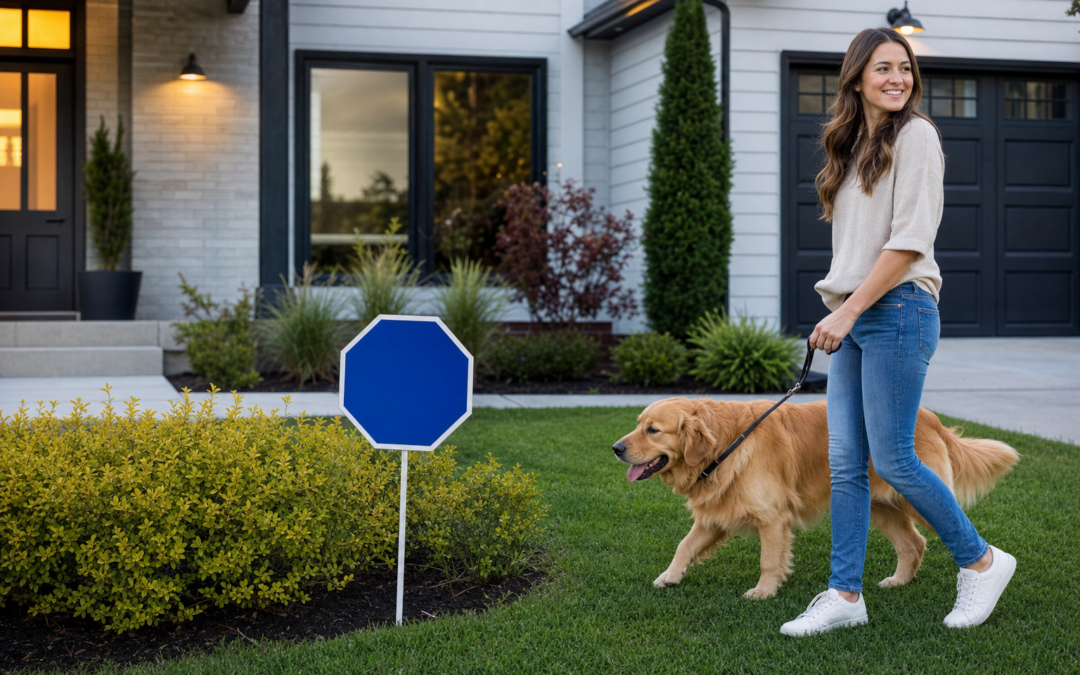
Visible deterrents like yard signs, stickers, and outdoor security cameras are often the first line of defense for homeowners looking to protect their property. While some may dismiss them as mere theater, the reality is that these simple visual cues can still play a meaningful role in discouraging unwanted visitors. By leveraging human psychology and the principle of “target hardening,” these tools tell would-be intruders that your home is not an easy mark.
But which visible deterrents actually work in 2024, and how do you deploy them for maximum effect? This guide breaks down the current best practices for yard signs, window stickers, fake and real cameras, and related visible cues. Whether you live in a quiet suburb or a bustling city neighborhood, understanding how to use these deterrents properly can help prevent break-ins and give you greater peace of mind.
Why Visible Deterrents Still Work
Despite advances in home security technology, visible deterrents like yard signs and stickers remain relevant. The reason is simple: burglars are opportunists. Studies and interviews with convicted burglars consistently show that visible signs of security—whether real or perceived—can influence their choice of targets. If your home looks protected, they’re more likely to move on to an easier one.
Modern burglars may be savvy, but most are not looking for trouble or attention. A property that advertises security measures, even if only through a sign or a camera casing, raises the perceived risk. This psychological barrier alone can be enough to prevent many crimes of opportunity.
The Psychology Behind Signs and Stickers
Yard signs and window decals work by exploiting uncertainty. A burglar faced with a sign warning of a monitored alarm system or 24-hour video surveillance has no easy way to verify if the claim is true without risking exposure. The mere possibility of triggering an alarm or being recorded is often enough to make them reconsider.
Moreover, these deterrents aren’t just for outsiders. They also remind neighbors and visitors that your home is protected, encouraging a culture of vigilance within your community. The more homes in a neighborhood display signs of security, the less attractive the entire area becomes to criminals.
Choosing Effective Yard Signs
Not all security signs are created equal. Generic or poorly made signs can be ignored or even signal that your security is just for show. When choosing a yard sign, consider the following:
- Visibility: Bright colors, bold lettering, and reflective materials make signs easier to see day or night.
- Material: Durable, weather-resistant materials ensure your sign lasts through rain, snow, and sun.
- Specificity: Signs that mention video surveillance or monitoring are generally more effective than generic “protected” signs.
- Placement: Position your sign where it will be seen—near the main entrance, driveway, or walkway.
If you have a real security system, always use the official signs provided by your provider. If you don’t, high-quality generic signs can still act as a deterrent if they look professional and are well-placed.

10″ x 28″ Home Security System Sign Review — An editorial look at this AzReference option for yard signs — specs first, marketing second. Key figures include 10 , 10 inch, 40 .
Strategic Placement of Yard Signs
Placement matters just as much as the sign itself. The most effective locations for yard signs are those that intruders are likely to see before approaching your home:
- Front yard: Near the main walkway or entrance, facing the street.
- Driveway: Where vehicles or foot traffic enter your property.
- Side gates or backyards: Especially if you have a fenced yard or a secondary entrance.
Consider the angles from which someone casing your home would approach. If your house is on a corner, you might need more than one sign. Don’t clutter your yard, but do make sure signs are unobstructed by landscaping or decorations. Refresh faded or damaged signs promptly to maintain credibility.
Do Fake Signs and Stickers Work?
Many homeowners wonder if fake signs or stickers—for systems they don’t actually have—are effective. The answer is nuanced. While a convincing fake can deter less-determined intruders, experienced criminals may recognize outdated logos or poorly made fakes. In some jurisdictions, using fake signs for certain types of security (like K-9 warnings) can even carry legal risks.
If you opt for a generic or non-branded sign, ensure it looks professional and doesn’t make exaggerated claims. For example, a sign that says “24 Hour Video Surveillance” is generally believable, but one that threatens extreme consequences may invite skepticism or even legal trouble. When in doubt, stick to straightforward language and avoid logos of real companies you don’t use.

24 Hour Video Surveillance Sign with Stake Review — Practical yard signs from SZhuiyun, summarized from hub features and listed measurements. Key figures include 24, 7 , 27.5.
Window and Door Stickers: Small but Mighty
Window and door stickers complement yard signs by protecting entry points further from the street. These decals are especially useful for apartments, townhomes, or houses with side and rear doors. High-visibility stickers on ground-floor windows and patio doors can make a burglar think twice about breaking in, especially when paired with physical barriers like locks or security film.
- Place stickers at eye level, inside the glass to prevent weather damage or tampering.
- Use stickers on all accessible entry points, not just the front door.
- Replace faded or peeling stickers promptly; a shabby sticker undermines its deterrent effect.
Even if your security system is minimal or DIY, a clear “monitored” or “alarm system” sticker can boost your home’s psychological defenses.
Visible Cameras: Real, Dummy, or Both?
Security cameras are among the most powerful visible deterrents you can deploy outside your home. Even the sight of a camera—real or fake—can be enough to make a criminal reconsider. But there are pros and cons to both real and dummy (fake) cameras.
- Real cameras: Provide actual surveillance and evidence if a crime occurs. The best option for serious home defense.
- Dummy cameras: Cheaper and easier to install, but can be identified by savvy intruders if they look unrealistic or lack wiring.
- Combination: Some homeowners use real cameras at key entry points and dummies elsewhere to create a sense of total coverage.
If you opt for dummy cameras, choose models that closely resemble real security cameras and place them high enough to avoid close inspection. Periodically check that real cameras are working and that dummy cameras haven’t been tampered with or damaged.

Blink Outdoor 4 – Wireless smart security camera Review — An editorial look at this Blink option for categories — specs first, marketing second. Key figures include 4 , 53, 5 .
Choosing the Right Visible Camera Setup
When selecting cameras for visible deterrence, prioritize models with obvious, professional-looking housings. Bullet cameras and dome cameras are both effective, but bullet cameras are especially visible and often used in commercial settings for their deterrent value.
Features to consider:
- Night vision: Infrared LEDs are visible at night and signal the camera’s capabilities.
- Motion-activated lights: Some cameras feature built-in lights that startle intruders and make the camera harder to ignore.
- Branding: Well-known brand logos can enhance credibility, but avoid fake logos.
- Multiple angles: Place at least one camera or dummy in a location visible from the street, and others at vulnerable entry points.
Regularly clean camera housings and ensure their view is not obstructed by branches or debris. For more comprehensive advice on outdoor camera placement and integration, see our outdoor security guide.
Combining Deterrents for Maximum Effect
The most effective visible security setups use a combination of deterrents. Yard signs, window stickers, and visible cameras each address different vulnerabilities and reinforce each other’s credibility. For example, a sign that warns of video surveillance is much more convincing when there is an actual camera (or even a dummy) in sight.
Layering your deterrents not only confuses potential intruders but also makes it harder for them to assess your true level of security. Here’s how to create a synergistic setup:
- Yard sign at the front entrance, visible from the street.
- Window stickers on all accessible doors and windows.
- Visible cameras at main entries and secondary points (real or dummy as appropriate).
- Motion-activated lights to further highlight cameras and signage at night.
This layered approach leverages both the psychological and practical benefits of visible security measures.
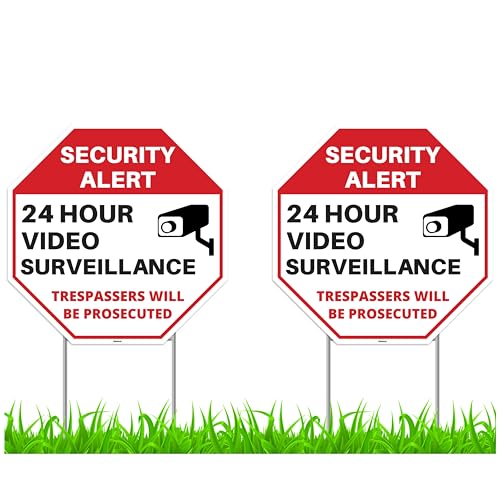
24 Hour Video Surveillance Sign with Stakes, 12″x12″ Review — A Venicor pick in Yard Signs that focuses on real-world usability Key figures include 12, 2 pack, 24 hr.
Common Mistakes to Avoid
Even the best deterrents can be undermined by careless mistakes. Here are some common pitfalls to avoid:
- Neglecting maintenance: Faded, broken, or dirty signs and cameras suggest neglect and undermine your security message.
- Overdoing it: Too many signs or conflicting warnings (e.g., multiple alarm company logos) can look suspicious or fake.
- Poor placement: Obstructed or hidden signs and cameras are easily overlooked by intruders.
- Ignoring secondary entrances: Don’t forget about back doors, basement windows, or side gates—these are favorite entry points for burglars.
- Using outdated branding: Old logos or discontinued alarm company names can tip off experienced criminals.
Regularly inspect your visible deterrents and update or replace them as needed. Consistency and attention to detail are key to maintaining a credible defense.
Legal and Ethical Considerations
While visible deterrents are generally legal, there are some important considerations:
- Truth in advertising: Some states have laws against posting false warnings, particularly regarding guard dogs or law enforcement affiliation.
- Privacy: If you use real cameras, ensure they are not pointed at areas where neighbors have a reasonable expectation of privacy, such as inside their homes or private yards.
- HOA rules: Homeowners associations may have restrictions on the size, placement, or type of signs and cameras you can use. Always check your community’s guidelines before installation.
When in doubt, use generic language and focus on general security rather than specific, unverifiable threats or claims. This keeps your deterrents effective and legally sound.
When to Upgrade Your Visible Deterrents
Visible deterrents are not set-and-forget solutions. Over time, they can become less effective due to wear, changing crime patterns, or new technology. Consider upgrading your deterrents if:
- Your neighborhood has seen an uptick in break-ins or suspicious activity.
- Your signs, stickers, or cameras show signs of physical deterioration.
- You’ve installed new security systems that are not advertised by your current signage.
- You move into a new home and want to establish a visible security presence from day one.
Regularly assess your property from the perspective of an outsider. If your deterrents look neglected or out-of-date, it may be time for a refresh. Modern, well-maintained signs and cameras send a clear message that your home is actively protected.
Integrating Visible Deterrents With Smart Security
Today’s smart home technology allows you to integrate visible deterrents with real-time monitoring and alerts. For example, a visible camera can be paired with a smart alarm system that notifies you instantly if movement is detected. Some systems even allow you to speak through the camera or trigger a siren remotely, adding another layer of deterrence.
Here are some ways to maximize your investment in visible deterrents:
- Link visible cameras to your phone for instant alerts and live viewing.
- Automate outdoor lighting to activate with motion, highlighting both your property and your deterrents.
- Use smart doorbells with cameras to monitor package deliveries and visitors.
- Consider solar-powered signs or lights for low-maintenance, energy-efficient operation.
While not every homeowner needs a full suite of smart devices, even basic integration can enhance both the real and perceived security of your home.
Conclusion: Visible Deterrents as a Smart First Step
Yard signs, stickers, and visible cameras remain essential tools in the home defense toolkit. They are affordable, effective, and easy to deploy, especially when combined and maintained with care. While no single measure guarantees total safety, visible deterrents can dramatically reduce your risk of being targeted, especially when part of a broader security strategy.
For more in-depth advice on creating a secure outdoor environment, including reviews of the latest cameras and signage, check out our comprehensive outdoor security resource. With the right mix of psychological and physical barriers, you can make your home a far less attractive target—and enjoy greater peace of mind every day.
Checklist: Setting Up Effective Visible Deterrents
- Assess Entry Points: Walk around your property and note all visible access points, including doors, windows, gates, and garages.
- Inventory Existing Deterrents: List current yard signs, stickers, cameras, and lighting to identify gaps.
- Choose Quality Materials: Select weather-resistant signs and stickers with clear, bold text and graphics.
- Strategic Placement: Install signs and stickers where they will be seen first by anyone approaching your home.
- Maintain Visibility: Trim bushes, trees, or decorations that might obscure your deterrents.
- Update Regularly: Replace faded, cracked, or outdated signage to keep the deterrent credible.
- Combine Methods: Use signs in conjunction with real or dummy cameras, motion lights, and other visible measures for layered protection.
- Neighborhood Coordination: Encourage neighbors to display deterrents for a unified, less attractive target area.
Common Mistakes with Yard Signs and Visible Deterrents
- Using Outdated or Faded Signs: Old, weathered signs signal neglect and may make your deterrents less believable.
- Overloading with Too Many Signs: Excessive signage can look suspicious or staged, potentially undermining credibility.
- Poor Placement: Placing signs behind bushes, fences, or in hard-to-see areas defeats their purpose.
- Obvious Fakes: Cheap, generic, or misspelled signs and stickers are easily spotted by experienced criminals.
- Neglecting Other Deterrents: Relying solely on signs without supporting deterrents such as lighting or cameras reduces overall effectiveness.
- Ignoring Legal Considerations: Some jurisdictions restrict the use of certain warning signs (like K-9 or police references), so always check local regulations.
Avoiding these mistakes helps ensure that your visible deterrents send the right message and remain effective over time.
Maintaining Yard Signs and Stickers
Proper maintenance is crucial for maximizing the impact of your visible deterrents. Here’s how to keep your signs and stickers working for you:
- Regular Cleaning: Wipe down signs and stickers every few months to remove dirt, pollen, and debris.
- Inspect for Damage: Check for cracks, fading, or peeling—especially after storms or harsh weather.
- Replace When Needed: Don’t hesitate to swap out signs or stickers that show significant wear. Fresh, legible deterrents are more convincing.
- Secure Fastenings: Ensure signs are firmly staked or mounted to prevent them from falling or blowing away.
- Update Information: If you change security providers or upgrade your system, replace old branding with current signage to avoid confusion.
By maintaining your deterrents, you reinforce the impression that your home is actively protected and cared for.
FAQ: Yard Signs and Visible Deterrents
Do I need a real alarm system to use a security sign?
No, but genuine signs are most effective when backed by real systems. If you use generic signs, ensure they look professional and avoid making claims that could be easily disproved or are illegal in your area.
How often should I replace my yard signs or stickers?
Inspect them at least twice a year and after any major weather events. Replace at the first sign of fading, cracking, or illegibility to maintain credibility.
Can I use video surveillance signs if I don’t have cameras?
While many homeowners do, keep in mind that some states have laws regarding the disclosure of video surveillance. Using such signs without cameras may not be illegal, but it could undermine your credibility if discovered by intruders or neighbors.
Are fake cameras effective as a visible deterrent?
Dummy cameras can sometimes deter opportunistic criminals, especially when combined with signs. However, savvy intruders may recognize fakes, so it’s best to use them as part of a larger security strategy, not your only line of defense.
Where should I avoid placing yard signs?
Avoid hidden areas, such as behind dense landscaping, or placing them so high or low that they’re out of a typical line of sight. Also, don’t block critical home features like house numbers or mailboxes.
Is it better to use multiple types of deterrents?
Yes. Layering visible signs, stickers, motion-activated lights, and both real and dummy cameras creates a more convincing and effective security presence. Criminals are more likely to move on if they see several signs your home is protected.