
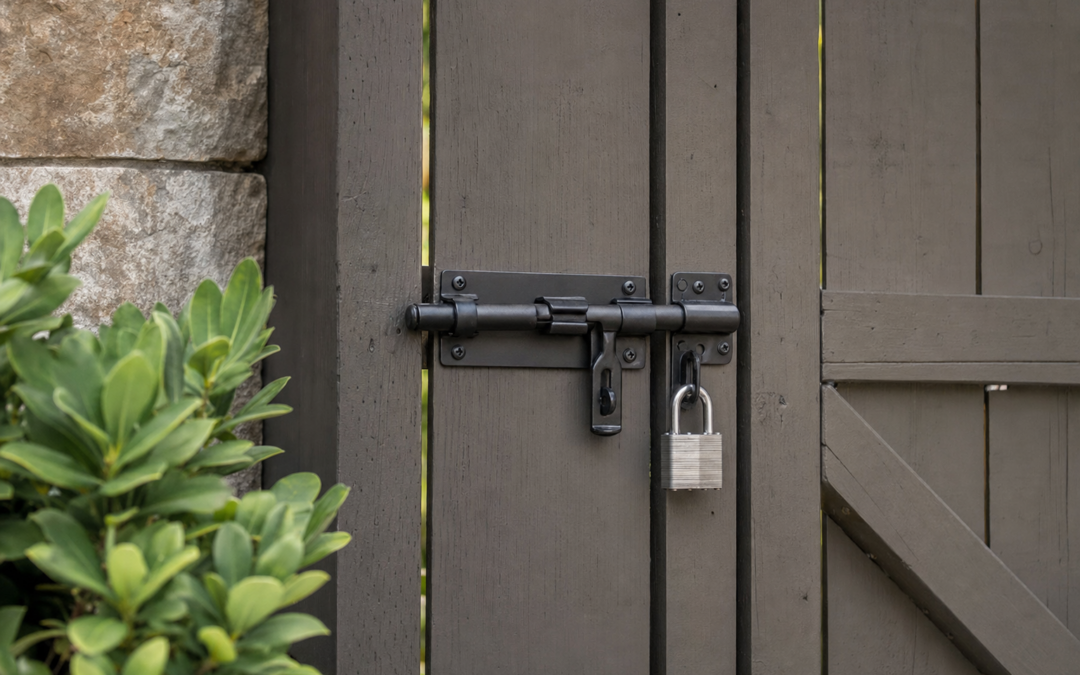
When it comes to strengthening the security of your home’s exterior, choosing the right padlocks and gate latches can make a world of difference. Whether you want to keep backyard valuables protected in a shed, prevent unwanted access through side gates, or simply ensure peace of mind during the night, the right locking hardware is essential. Yard gates, sheds, and side entrances are often overlooked points of vulnerability, making them prime targets for opportunistic thieves or even wildlife seeking easy access.
In this guide, we’ll break down the best practices for selecting weatherproof padlocks and reliable gate latches for all types of outdoor applications. We’ll walk you through key considerations for each setting, offer maintenance tips for long-lasting security, and review several lock and latch solutions suitable for American homes. Whether you’re upgrading old hardware or outfitting a new fence, these strategies and product insights will help you secure your property’s perimeter with confidence.
Why Secure Your Yard, Shed, and Side Gates?
Many homeowners focus on front door security but overlook the risks posed by unsupervised backyard gates, storage sheds, and side entrances. These access points often contain valuable tools, lawn equipment, bikes, or even provide a direct route into your home. Without adequate protection, a simple latch or a low-grade padlock may be all that stands between your property and a break-in.
- Deterring Theft: Sturdy locks deter casual thieves and opportunists.
- Protecting Children and Pets: A secure gate keeps kids and pets safely inside your yard.
- Preventing Wildlife Intrusions: Raccoons, coyotes, and other animals can be kept out with proper latching mechanisms.
- Insurance Compliance: Some policies require proof of secure storage for high-value outdoor equipment.
Understanding these risks is the first step toward choosing the right locking solution for each area of your property.
Types of Padlocks and Their Best Uses
Padlocks come in a variety of shapes, sizes, and mechanisms. The key is to match the lock type to the specific needs of your gate or shed:
- Keyed Padlocks: Offer reliable security, but require keeping track of keys. Ideal for gates or sheds accessed by a small number of people.
- Combination Padlocks: No keys required. Great for shared access or when multiple family members need entry. Be sure to choose models with weather-resistant dials or covers.
- Weatherproof Padlocks: Built with stainless steel or brass bodies and rubber seals to resist rust and freezing. A must for outdoor use.
- High-Security Padlocks: Hardened shackles, anti-drill plates, and shrouded designs make these suitable for high-risk or remote locations.
For most residential applications, a combination of weatherproof and keyed or combination locks offers the best balance of convenience and protection.

Diyife Heavy Duty Combination Padlock Review — Diyife combination padlocks gear aimed at buyers who want clear specs before they click through. Key figures include 304 , 180 hours, 0.
Gate Latches: Styles and Security Features
The latch is the heart of any gate’s security system. Here’s a look at the most common styles and what they offer:
- Gravity Latches: These automatically drop into place when the gate closes. They’re simple, but can be pried open if not supplemented with a lock.
- Slide Bolts: Provide a manual sliding bar. Can be secured with a padlock for extra security.
- Spring-Loaded Latches: Self-closing and often used for pool or child safety gates. Typically paired with a padlock hole.
- Deadbolt-Style Latches: Offer maximum holding power and can be locked from both sides (some models).
When choosing a latch, consider both how securely it holds the gate closed and whether it can be locked with a padlock for added security.
Weatherproofing: What to Look for in Outdoor Locks
Outdoor locks and latches face constant exposure to rain, snow, dust, and UV rays. Not all hardware is designed to stand up to these conditions. Look for:
- Corrosion-Resistant Materials: Stainless steel, brass, or zinc-plated steel resist rust.
- Rubberized or Plastic Covers: Shield keyholes and dials from water and ice.
- Sealed Mechanisms: Prevent internal freezing and dirt buildup.
- UV-Resistant Coatings: Help plastic or painted surfaces last longer in direct sun.
Regularly inspect your locks and latches for signs of weather damage. Replace any showing excessive rust or sticking, as these may fail when you need them most.
Choosing the Right Lock for Sheds
Sheds often contain expensive tools, bikes, and machinery, making them a target for thieves. The ideal shed lock is both robust and weatherproof. Consider the following tips:
- Choose a Padlock with a Hardened Shackle: This resists bolt cutters and saws.
- Opt for a Shrouded or Closed-Shackle Design: These minimize the exposed area that can be attacked.
- Use Heavy-Duty Hasps and Staples: Weak mounting hardware will undermine even the best padlock.
- Install the Lock on a Reinforced Door: Thin shed doors can be pried open, so reinforce around the lock area if needed.
For sheds with frequent access, combination locks can be a good choice—just make sure the dials are large and easy to operate, even with gloves.
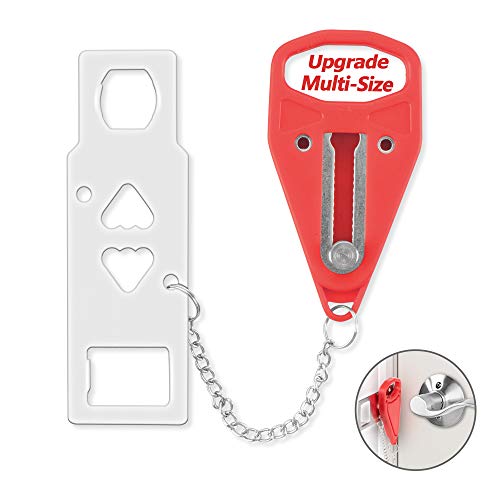
AceMining Portable Door Lock Review — An editorial look at this AceMining option for latches & bolts — specs first, marketing second. Key figures include 121, 1 Pack, 5.12 .
Best Practices for Securing Side Gates
Side gates are often out of direct line of sight, making them a favorite entry point for intruders. Here’s how to maximize their security:
- Install a Lockable Latch: Choose a latch that can be secured with a padlock from the inside or outside.
- Mount Latches Low: Latches mounted low on the gate are harder for children to reach and for intruders to manipulate over the top.
- Hinge Security: Use carriage bolts or security screws to prevent removal of hinges from the outside.
- Check Clearance: Ensure the gap between gate and post is small enough to prevent prying tools from fitting through.
- Consider a Motion-Activated Light: Illuminating the area around the side gate can be a strong deterrent.
Review your side gate’s construction—wooden gates may need additional reinforcement around the latch area, while metal gates may benefit from anti-cut shrouds.
Upgrading Latches and Locks on Fence Gates
Fencing styles vary widely, from classic wood pickets to modern aluminum or vinyl. Each presents unique latch and lock challenges:
- Wood Fences: Use heavy-duty slide bolts or deadbolt latches. Reinforce mounting points with metal plates.
- Chain Link Gates: Look for padlocks with long shackles or specialized chain link latches that can be padlocked.
- Vinyl and Aluminum Fences: Use corrosion-resistant hardware and check manufacturer recommendations for weight limits.
Always ensure that your chosen lock and latch are compatible with your specific fence material and thickness. For ideas on other entry protection strategies, check out our entry protection hub.
Combination vs. Keyed Locks: Pros and Cons
Both combination and keyed locks have their place in outdoor security. Here’s how to decide which is right for your application:
- Combination Locks:
- Pros: No risk of lost keys, easier for shared access, can be changed easily if security is compromised.
- Cons: Some models are susceptible to “shimming” or decoding; dials can freeze or jam in harsh conditions.
- Keyed Locks:
- Pros: Generally more resistant to tampering, wide range of security levels available.
- Cons: Lost keys can mean being locked out; may require rekeying if a key is lost or stolen.
For gates and sheds that require frequent access by multiple people, combination locks are often more convenient. For high-value targets or remote locations, a keyed lock may offer extra peace of mind.
Portable Locks for Temporary or Travel Use
Not every security situation is permanent. Sometimes, you need a lock you can take with you or use for temporary setups—such as when renting a property, staying in an Airbnb, or securing a garden gate while pets are outdoors. Portable door and gate locks are designed for easy installation and removal, often without any tools or permanent changes.
- Travel Locks: Small, lightweight, and often compatible with a wide range of doors and gates.
- Temporary Latches: Clamp or slide onto existing hardware for quick upgrades.
- Easy to Remove: Ideal for renters or anyone who doesn’t want to alter their property.
These portable solutions can add an extra layer of security during travel or while waiting for permanent hardware upgrades.

Addalock The Original Portable Door Lock for Travel & Home Security Review — A Addalock pick in Latches & Bolts that focuses on real-world usability Key figures include 2, 5.8 , 0.62 pounds.
Child and Pet Safety: Special Considerations
Families with young children or pets need to balance security with accessibility. The right latch or lock can keep little ones from wandering out or prevent curious pets from escaping, while still allowing adults easy access:
- Self-Closing Gate Latches: Ensure gates close automatically behind you—critical around pools or busy driveways.
- Childproof Latch Covers: Prevent small hands from operating latch mechanisms.
- Locks Installed Out of Reach: Mount locks and latches high enough that only adults can access them.
- Easy-Open Designs for Adults: Look for hardware that’s secure but not overly complicated for regular use.
Always check that your chosen hardware meets any local code requirements for pool or child safety gates.
Installation Tips for Maximum Security
Even the best padlock or latch is only as good as its installation. Here are some practical installation tips to get the most out of your security hardware:
- Use Long, Heavy-Duty Screws: Short or lightweight screws can be kicked out or pulled loose by force.
- Reinforce Weak Areas: Add metal plates or backing to thin wood or hollow doors.
- Position Hardware Correctly: Mount latches and locks where they can’t be easily reached or tampered with from the outside.
- Check Alignment: Make sure the latch lines up perfectly with the strike plate or hasp for smooth operation.
- Test Before Use: Open and close the gate or shed door multiple times to ensure the lock and latch engage properly.
Improper installation is a leading cause of lock failure, so take your time and follow manufacturer instructions closely.

Door Lock for Front Door Kids Safety Home Security Door Reinforcement Locks Review — WINONLY latches & bolts gear aimed at buyers who want clear specs before they click through. Key figures include 3, 8 , 5 minutes.
Maintaining Outdoor Locks and Latches
Like any outdoor equipment, locks and latches require periodic maintenance to stay reliable. Here’s how to keep your hardware in optimal condition:
- Lubricate Regularly: Use a silicone-based lubricant or graphite powder for keyways and moving parts. Avoid oil-based lubricants, which attract dirt.
- Clean Off Dirt and Debris: Wipe down locks and latches with a damp cloth to prevent buildup that can jam mechanisms.
- Inspect for Rust or Corrosion: Address any signs of rust immediately. Light rust can often be removed with a wire brush.
- Protect in Winter: In freezing climates, shield locks from snow and ice or use lock de-icer as needed.
- Replace Worn Hardware: If a lock or latch begins to stick or loosen, replace it before it fails completely.
Regular care not only extends the life of your hardware but also ensures your home remains secure year-round.
Common Mistakes to Avoid with Padlocks and Latches
Even well-intentioned homeowners can make simple mistakes that compromise their property’s security. Here are a few to watch out for:
- Using Interior-Grade Locks Outdoors: These will quickly rust and jam in outdoor conditions.
- Mounting Padlocks with the Shackle Exposed: The less shackle showing, the harder it is to cut.
- Forgetting to Lock Up: Automatic latches help, but always double-check gates and sheds before leaving or at night.
- Neglecting Regular Maintenance: A lock that’s frozen or rusted is as bad as no lock at all.
- Relying on a Single Lock Point: Double up with a latch and padlock for critical access points.
Review your yard’s entry points and upgrade any hardware that is worn, outdated, or not designed for exterior use.
When to Replace Old Locks and Latches
No lock lasts forever. Knowing when to upgrade is key to maintaining security:
- Visible Corrosion or Rust: Even stainless steel can eventually corrode, especially in coastal or humid areas.
- Difficulty Operating: If you struggle to unlock or relock your gate, it’s time for a replacement.
- Lost Keys or Forgotten Combinations: Don’t risk a lockout or compromised security—replace the lock immediately.
- Upgrading Fencing or Gates: New hardware is often needed to match new materials or styles.
- Security Concerns: If you suspect someone has copied a key or learned a combination, switch to a new lock.
Stay proactive—waiting until a lock fails can leave your home vulnerable at the worst possible time.
Summary: Building a Secure Perimeter with the Right Hardware
Securing your yard, shed, and side gates isn’t just about buying the toughest-looking lock on the shelf. It’s about choosing the right combination of latch and padlock for each situation, ensuring proper installation, and maintaining your hardware so it functions reliably year after year. Weatherproof materials, thoughtful placement, and regular maintenance will keep your property protected against both opportunistic thieves and everyday hazards.
Take the time to assess your property’s entry points, upgrade hardware where needed, and establish a routine for checking and caring for your locks and latches. With these steps, you’ll enjoy greater peace of mind—and a safer, more secure home environment for your family.
Common Mistakes When Securing Outdoor Gates and Sheds
Even with the best intentions, homeowners often make mistakes that can compromise the security of gates, sheds, and side entrances. Being aware of these pitfalls can help you avoid unnecessary vulnerabilities.
- Using Indoor-Grade Locks Outdoors: Standard padlocks not rated for outdoor use will quickly rust or seize up, making them unreliable and easy to break.
- Neglecting Hinge Security: Even the strongest latch is useless if the gate’s hinges are exposed and can be unscrewed or lifted out. Always use carriage bolts or security screws on hinges.
- Choosing the Wrong Size Padlock: A lock that’s too small for the hasp or latch can be pried open with simple tools. Match shackle thickness and length to your hardware.
- Forgetting to Lock Up: It’s easy to forget to lock a gate after yard work or when leaving for errands. Consider self-locking latches or keyless options to reduce the risk.
- Overlooking Gate or Door Weaknesses: Rotten wood, loose boards, or flimsy panels can be kicked in even if the lock is secure. Reinforce the structure as needed.
Addressing these mistakes ensures your investment in quality locks and latches truly pays off in long-term security.
Padlock and Gate Latch Maintenance Tips
Proper maintenance extends the life of your locks and ensures they function when you need them most. Here are some key practices for keeping outdoor locking hardware in top condition:
- Regular Cleaning: Wipe down locks and latches with a damp cloth to remove dirt, salt, and debris. For stubborn grime, use a mild detergent and rinse thoroughly.
- Lubrication: Apply a silicone-based or graphite lubricant to keyholes and moving parts every few months. Avoid oil-based products, which can attract dust and gum up mechanisms.
- Inspect for Wear: Check for rust, corrosion, or signs of tampering. Replace any components showing excessive wear or damage.
- Test Operation: Open and close locks and latches periodically—even if you don’t use them daily—to prevent sticking and ensure smooth function.
- Weatherproof Touch-Ups: Reapply protective coatings or covers as needed, especially after harsh weather events.
Scheduled maintenance is especially important before and after winter or rainy seasons, when moisture and freezing temperatures can accelerate wear.
Checklist for Securing Gates, Sheds, and Yard Entrances
Use this step-by-step checklist to evaluate and improve the security of your outdoor access points:
- Inspect all gates, shed doors, and fence panels for structural integrity.
- Choose weatherproof padlocks and latches rated for outdoor use.
- Ensure all hasps, staples, and mounting hardware are firmly attached with tamper-resistant screws or bolts.
- Verify that hinges are not exposed or removable from the outside.
- Install locks on both latches and any sliding bolts as needed.
- Test locking mechanisms regularly for smooth operation.
- Store spare keys or combination codes in a secure, accessible location—not under a doormat or planter.
- Trim back vegetation near gates and sheds to eliminate hiding spots for intruders.
- Consider adding motion-activated lights near vulnerable entry points for added deterrence.
Working through this list can help you systematically address weak spots and build a strong first line of defense around your property.
Frequently Asked Questions About Outdoor Locks and Latches
How often should I replace my padlocks or gate latches?
With regular maintenance, quality outdoor locks can last several years. Replace them if you notice rust, sticking, or signs of forced entry. If a lock has been exposed to flooding or saltwater, consider replacing it sooner.
Is it better to use keyed or combination locks outside?
Both have pros and cons. Keyed locks are generally more secure, but keys can be lost. Combination locks offer convenience, especially for shared access, but should have weather-resistant dials. For maximum security, choose high-quality models—regardless of type—that are specifically rated for outdoor use.
Can I install a padlock on any gate latch?
Not all latches are designed to accept a padlock. Look for latches with a built-in padlock eye or hole. Slide bolts and some gravity latches are easily padlocked, while others may require upgrading or modifying the hardware.
What’s the best way to prevent locks from freezing in winter?
Choose locks with weather-sealed bodies and covered keyways. Regularly lubricate the mechanism with a de-icer or silicone-based spray. In severe climates, consider insulated lock covers to further reduce ice buildup.
How can I improve security on old or sagging gates?
Reinforce the frame with metal brackets, replace worn hinges, and ensure the latch aligns properly with the gate post. Using longer screws and adding a diagonal brace can help prevent sagging and keep the gate securely closed.
Are smart locks a good option for outdoor gates?
Some smart padlocks are designed for outdoor use and offer features like remote access and activity alerts. However, ensure any electronic lock you choose is rated for weather resistance and has a reliable backup entry method in case of battery failure.