
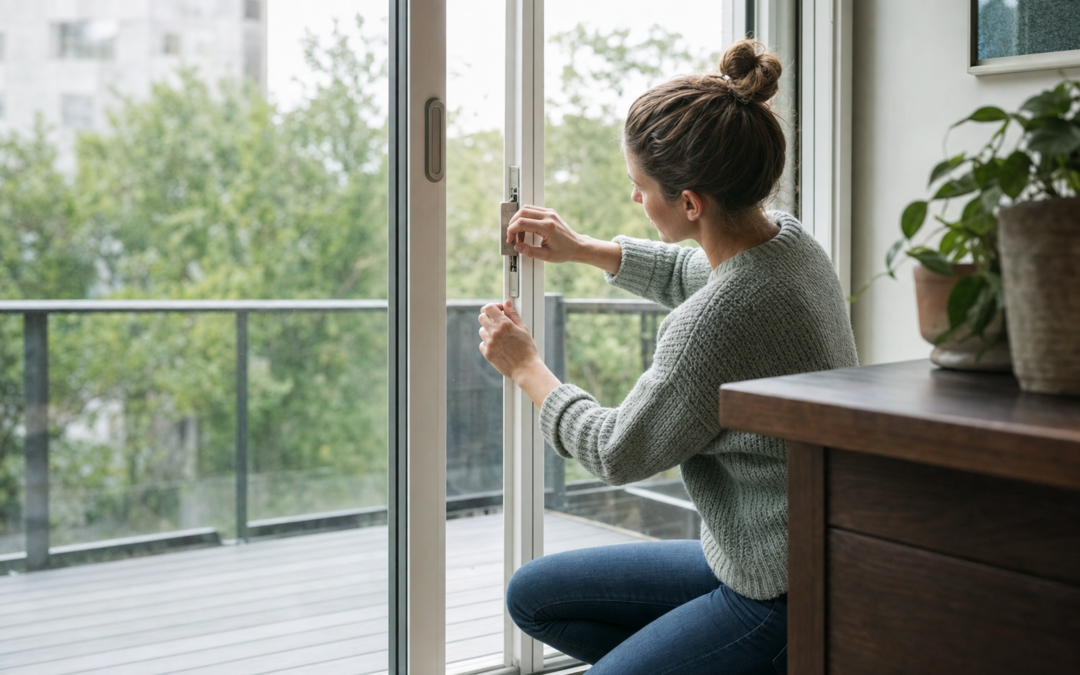
Sliding doors and windows are popular features in both apartments and houses, adding natural light and easy access to patios and balconies. However, their convenience can also present a security risk—especially if the locks installed by default are basic, worn, or easy to bypass. Whether you own or rent, upgrading sliding door and window locks is one of the simplest and most effective ways to improve your home’s entry protection.
Fortunately, there’s a wide range of locking solutions available, from simple window pins to keyed locks, designed for both permanent and temporary installation. Renters and homeowners alike can benefit from these options, achieving better security without major modifications. This guide breaks down the most practical sliding door and window lock types for apartments and houses, installation tips, and what to look for when choosing the right hardware for your space.
Why Sliding Doors and Windows Need Extra Security
Sliding doors and windows are inherently more vulnerable than traditional hinged doors and sash windows. The tracks they slide in can often be jimmied with simple tools, and standard latches may be weak or wear out over time. For ground-floor apartments and homes, these openings are prime targets for burglars looking for a quick, quiet entry point. Even upper-floor sliders can be at risk—especially if there’s a balcony or fire escape nearby.
Many manufacturers focus on ease of use and affordability, not high security, so the default hardware may not stand up to forced entry. Upgrading or supplementing these locks is a crucial step in any entry protection plan, whether you’re a renter or a homeowner.
Types of Sliding Window and Door Locks
There’s a surprising variety of locks for sliding windows and doors, each with their strengths and ideal use cases. Here’s a breakdown of the most common types and where they work best:
- Track Locks: Clamp or screw onto the window or door track to block movement. Widely used for both windows and sliding glass doors.
- Keyed Locks: Require a key to unlock, adding an extra layer of security beyond standard latches. Good for renters and homeowners alike.
- Pin Locks: Insert a metal pin through aligned holes in the frame and sliding portion, physically preventing the slider from moving.
- Security Bars: Adjustable metal bars that fit into the track, preventing the door or window from being opened even if the latch is defeated.
- Sash Locks: Common for windows, these attach to the sash and frame to lock them together.
For apartments or situations where you can’t drill into the frame, look for clamp-on or adhesive options that can be removed without damage.
What to Look for in Sliding Window and Door Locks
Choosing the right lock depends on several factors, including the type of window or door, your security needs, and whether you’re able to make permanent modifications. Here are the most important considerations:
- Compatibility: Make sure the lock fits your specific window or door type (vinyl, aluminum, wood; vertical or horizontal sliders; single- or double-pane construction).
- Ease of Installation: Renters should favor clamp-on or adhesive locks, while homeowners can opt for screw-in or pin-based designs.
- Strength: Look for solid metal construction and mechanisms that can’t be easily pried off or bypassed.
- Keyed vs. Keyless: Keyed locks offer extra protection, but may be less convenient for quick access or fire safety. Keyless models are easier for households with children or frequent guests.
- Removability: If you’re renting, prioritize locks that leave no permanent marks or holes.
- Quantity: Many locks are sold in multipacks, ideal for securing several windows or doors at once.
Always measure the track width and clearance before purchasing to ensure a proper, secure fit.
Best Practices for Renters: Non-Permanent Security Solutions
Apartment dwellers need to strike a balance between improving security and meeting lease restrictions. Fortunately, there are several renter-friendly locks that provide real protection without drilling or permanent installation:
- Clamp-On Track Locks: These attach with a simple thumbscrew or clamp, making them easy to install and remove when you move out.
- Adhesive Window Pin Locks: Some pin locks use strong adhesives rather than screws, working well on glass or vinyl frames.
- Security Bars: Adjustable bars that sit in the track require no tools and can be quickly removed for emergency egress.
- Double-Sided Tape Sash Locks: Designed for temporary use, these offer a moderate security boost with zero damage risk.
Before adding any lock, check your lease or consult your landlord. Most clamp-on or removable options are acceptable, especially if they don’t interfere with window operation or emergency exits.

HYIEOU Sliding Window Locks with Key,2 Sets for Horizontal Vertica Window Review — An editorial look at this HYIEOU option for locks & latches — specs first, marketing second. Key figures include 0.48 inches, 0.61 inches, 0.240304 pounds.
Permanent Locks for Homeowners
If you own your home, you have more flexibility to install robust, permanent security hardware. Some of the best options include:
- Screw-In Keyed Locks: These attach directly to the frame or sliding panel, providing a strong deterrent to forced entry.
- Pin Locks: Drilling aligned holes in the frame and slider lets you insert a steel pin, which is extremely difficult to bypass.
- Upgraded Latches: Many sliding doors and windows can be retrofitted with stronger, aftermarket latches that offer improved mechanical resistance.
- Integrated Alarm Sensors: Some locks come with built-in alarms that sound if the window or door is forced open.
Permanent locks are ideal for ground-floor sliders, basement windows, and any vulnerable entry point. Remember to maintain a clear path for emergency egress in bedrooms and living spaces.
How to Secure Sliding Glass Doors
Sliding glass doors are among the most targeted entry points for burglars. Their large panes and accessible tracks make them attractive for forced entry. Here’s how to boost their security:
- Add a Track Lock or Security Bar: Place a sturdy bar or lock in the interior track to block movement, even if the main latch fails.
- Upgrade the Latch: Replace the standard latch with a heavy-duty, keyed model for added strength.
- Install a Pin Lock: Drill a hole through the overlapping frames and insert a steel pin to prevent the door from sliding or being lifted out of the track.
- Use Anti-Lift Devices: Attach small brackets at the top of the frame to prevent the door from being lifted off its track.
Never rely solely on the factory-installed latch. Combining several methods (track lock + pin + anti-lift) provides the best protection.
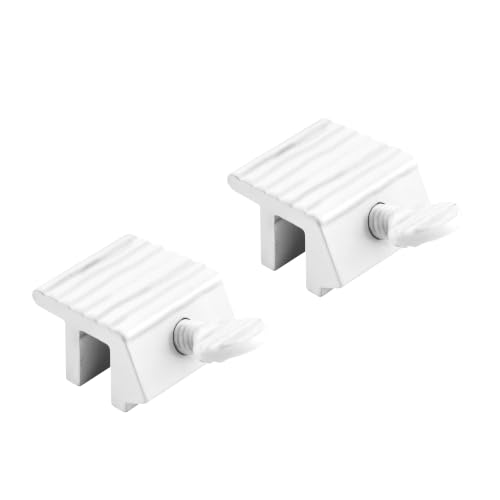
Prime-Line U 9802 Extruded Aluminum Sliding Window Lock Review — PRIME-LINE locks & latches gear aimed at buyers who want clear specs before they click through. Key figures include 9802 , 9802, 1 .
How to Secure Sliding Windows
Sliding windows are especially common in apartments, condos, and newer homes. They’re usually easier to secure than doors but still require careful attention:
- Track Locks: Clamp to the track and block the movable pane. Easy to install and adjust for ventilation.
- Pin Locks: Prevent the sliding panel from opening more than a set amount, or at all.
- Dual-Action Locks: Some designs allow for both full security and partial opening for airflow, locking the window in a “vent mode.”
- Replaceable Sash Locks: Upgrade the built-in sash lock with a sturdier version if your window allows.
When installing locks, make sure you can still exit through the window in case of emergency, especially if it’s a designated escape route.
Installation Tips and Tools
Installing sliding window and door locks is typically a straightforward DIY project. Here’s how to do it safely and effectively:
- Read the Instructions: Always follow the manufacturer’s directions for your specific lock model.
- Gather Tools: For most installations, you’ll need a screwdriver, measuring tape, and possibly a drill (for pin locks or screw-in models).
- Clean the Tracks: Remove dust and debris for a snug, secure fit.
- Mark Drill Points: If drilling, carefully mark the intended holes and double-check measurements. Use a small bit to start, then enlarge as needed.
- Test Operation: After installation, operate the window or door several times to ensure smooth movement and secure locking. Check for interference with screens or blinds.
- Keep Keys Accessible: Store keys to keyed locks in a convenient but secure location, and make sure all household members know where to find them in an emergency.
If you’re unsure or uncomfortable with tools, consider hiring a handyman for permanent installations.

Prime-Line U 9809 Sliding Window Lock for Vinyl Windows Review — An editorial look at this Defender Security option for locks & latches — specs first, marketing second. Key figures include 1, 9809 , 9809.
Sliding Lock Placement and Spacing
Where you install your lock can make a big difference in its effectiveness:
- For Doors: Place track locks or bars at the bottom for greatest leverage resistance, and use anti-lift brackets at the top.
- For Windows: Install locks near the meeting rail, where the two panes overlap. This prevents both sliding and lifting.
- Ventilation Mode: Some locks allow you to secure the window or door in a partially open position for airflow while maintaining security. Set these at a gap no larger than 4 inches to prevent intruders from reaching in.
For wide doors or windows, consider using two locks spaced several inches apart for added strength and to thwart prying attempts.
Sliding Door and Window Lock Maintenance
Even the best lock won’t protect you if it’s not maintained. Here’s how to keep your security hardware in top shape:
- Inspect Regularly: Check all locks monthly for signs of wear, looseness, or corrosion. Tighten screws as needed.
- Clean Tracks: Vacuum or wipe out dirt and debris to prevent jams and ensure smooth lock operation.
- Lubricate: Use a silicone-based spray (not oil) to keep moving parts working freely, especially in humid climates.
- Replace Worn Parts: If a lock or bar shows signs of bending, stripped threads, or damage, replace it immediately.
Keeping your locks in good working order is as important as installing them in the first place.
Common Mistakes to Avoid
It’s easy to overlook certain factors when securing sliding windows and doors. Avoid these common pitfalls:
- Relying Only on the Original Latch: Factory latches are often the weakest link. Always supplement with additional locks or bars.
- Neglecting Emergency Egress: Don’t block every exit; ensure at least one window or door in each room can be opened quickly in case of fire.
- Poor Fit: Measure carefully before purchasing to avoid locks that are too loose or too tight for your tracks.
- Ignoring Upper-Floor Windows: Balconies and fire escapes make upper levels accessible to intruders.
- Forgetting About Maintenance: Locks need regular checks to remain effective.
Being proactive and attentive to detail is key to maximizing your home’s security.
Frequently Asked Questions
- Can I install sliding window locks in a rental? Yes, many models are designed for renters and don’t require drilling or permanent modification. Always check your lease for restrictions.
- What’s the best type of lock for a sliding glass door? A combination of a track lock or security bar and a pin lock provides the strongest protection.
- How do I childproof a sliding window? Use a lock that restricts opening to four inches or less, and mount it high enough to be out of reach of small children.
- Are keyed locks safer than keyless? Keyed locks are harder to tamper with, but may slow down emergency exits. Consider your household’s needs and layout.
- Can I use more than one lock? Absolutely. Using multiple locks increases security and deters break-ins.

Window Locks, for Vertical and Horizontal Windows, Sliding Locks Review — An editorial look at this Shop Square option for locks & latches — specs first, marketing second. Key figures include 3, 16, 15.
Conclusion: Layered Security for Peace of Mind
Securing your sliding doors and windows is one of the smartest, most cost-effective ways to protect your home or apartment. Whether you opt for clamp-on track locks, keyed hardware, or pin devices, there’s a solution for every budget and living situation. Renters can boost their security without risking their deposits, while homeowners have the freedom to install permanent, high-strength options.
For best results, combine multiple locking methods and inspect your hardware regularly. Don’t leave your home’s most vulnerable entry points unprotected—start upgrading your sliding window and door locks today.
Checklist: Securing Your Sliding Doors and Windows
- Inspect existing locks: Test all sliding door and window locks for smooth operation and signs of wear or weakness.
- Check tracks and frames: Ensure tracks are free of debris and frames are not warped, which can compromise lock effectiveness.
- Measure track width: Accurate measurements are essential for selecting compatible locks or security bars.
- Choose appropriate locks: Match lock types to your security needs, frame material, and whether you rent or own.
- Install supplemental locks: Add security bars, pin locks, or clamp-on devices as needed—especially for ground-level sliders.
- Test emergency egress: After installing locks, confirm all exits can be opened quickly from the inside in case of emergency.
- Keep keys accessible: If using keyed locks, store keys in a consistent, accessible location known to all household members.
- Regularly re-evaluate: Reassess security after moving, renovations, or changes in household occupancy.
Common Mistakes to Avoid with Sliding Door and Window Locks
- Relying solely on factory latches: Most original equipment latches are not designed to withstand force or tampering.
- Overlooking upper-floor security: Burglars can access balconies, fire escapes, or climb to upper levels, making all sliders potential entry points.
- Improper installation: Failing to tighten clamps, incorrectly placing pins, or using the wrong size lock can render security measures ineffective.
- Blocking emergency exits: Over-securing windows or doors can hinder escape during a fire or other emergency. Always maintain quick-release options where required.
- Ignoring maintenance: Dirt, rust, or worn components can cause locks to jam or fail, reducing protection.
- Using only one layer of security: Combining different lock types—such as a latch plus a security bar—provides greater deterrence.
Maintenance Tips for Sliding Door and Window Locks
Proper maintenance ensures your locks remain effective year after year. Here are some essential tips for keeping sliding door and window locks in top condition:
- Clean regularly: Wipe down locks and tracks with a mild cleaner to remove dust, debris, and moisture that can cause corrosion or impede operation.
- Lubricate moving parts: Use a silicone-based spray or graphite powder (not oil-based lubricants) on keyholes, pins, and sliding mechanisms to prevent sticking.
- Inspect for wear or damage: Check for loose screws, bent pins, or cracked lock bodies. Replace any parts that show signs of deterioration.
- Test locks monthly: Open and close each lock to confirm smooth, secure operation. Address any issues immediately.
- Replace weathered adhesive: For adhesive-based locks, monitor for loss of stickiness and reapply or replace as needed, especially after exposure to moisture or temperature changes.
- Keep spare keys: Store backup keys in a secure but accessible spot, especially if using keyed locks for critical exits.
Consistent maintenance not only extends the life of your locks but also ensures your security measures remain reliable when you need them most.
Frequently Asked Questions About Sliding Door and Window Locks
Can I add extra locks to my sliding doors and windows if I rent?
Yes, there are many renter-friendly options such as clamp-on track locks, security bars, and adhesive pin locks that require no drilling or permanent changes. Always check your lease and consult your landlord before installing any device, but most removable solutions are allowed and do not damage the property.
How do I make sure locks don’t block emergency exits?
Choose locks that are designed for quick-release or easy removal from the inside. Security bars should be sized so they can be lifted out quickly. Avoid permanent locks on windows designated as emergency egress points and educate all household members on how to operate any added security device.
Are keyed locks safer than keyless options?
Keyed locks provide an extra layer of protection, especially against tampering or forced entry. However, they can slow down emergency exit and require careful key management. Keyless options, such as track clamps or security bars, are easier to use for families and still provide strong deterrence when installed correctly.
How often should I replace or upgrade my sliding door and window locks?
Inspect locks annually or whenever you notice wear, difficulty operating, or after a break-in attempt. Upgrading is also wise if you move into a new home, change tenants, or want to improve overall security. Modern locks often offer better durability and features than older models.
Can I use more than one type of lock at the same time?
Absolutely. Layering security—such as combining a keyed lock with a security bar or track lock—greatly increases resistance to break-in attempts. Just ensure that added devices do not interfere with each other’s operation or block emergency egress.