
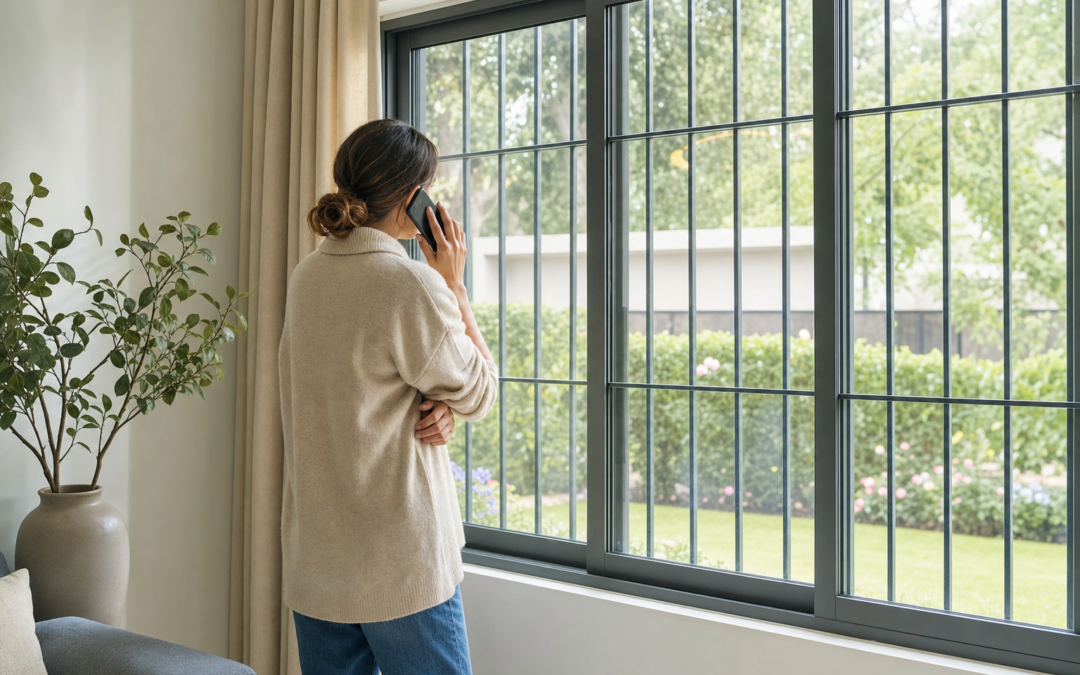
When it comes to ground floor security, windows are one of the most vulnerable points of entry in any home. While door security rightly gets plenty of attention, an unsecured window can be the easiest route for a burglar looking for quick access. If you live in a single-story house, a ground-floor apartment, or a home with basement and first-floor windows within reach, strengthening your window defenses is a smart investment in your peace of mind.
In this guide, we’ll break down two highly effective approaches: window security film and window bars. Each method has its pros, cons, and best-use scenarios. We’ll also touch on other upgrades—like locks and stoppers—that can complement these primary defenses. Our advice is based on practical, real-world considerations for US homes.
Why Ground Floor Windows Are Targeted
Ground floor windows are a favorite entry point for burglars for three main reasons: they’re easy to reach, often overlooked, and sometimes left open or unlocked. Even if you have a robust door lock system, a weak or unsecured window can undermine your entire home security plan.
- Accessibility: No ladder required—ground floor windows are literally within arm’s reach.
- Visibility: Thieves often look for windows obscured by bushes or fencing where they can work without being seen.
- Glass vulnerability: Standard window glass can be shattered in seconds unless reinforced.
This is why it’s crucial to make your windows as tough and uninviting as possible for would-be intruders. You’ll find more entry protection strategies on our dedicated hub for securing doors, windows, and more.
Understanding Window Security Film
Window security film is a clear, adhesive layer applied directly to the interior surface of your window glass. Its main purpose is to hold shattered glass together, making it much harder for someone to break through quickly. Security film comes in various thicknesses (usually 4 to 14 mils), with thicker films providing greater resistance to impact.
- Benefits: Discreet, cost-effective, and doesn’t alter your home’s appearance.
- Installation: Can be DIY-friendly, but professional installation is recommended for larger windows or maximum protection.
- Performance: Won’t make glass unbreakable, but can delay entry by several minutes—enough to deter a burglar or allow time for a monitored alarm response.
Security film is ideal for homeowners who want to reinforce windows without adding visible barriers or dramatically changing aesthetics.
Types of Window Security Film
Not all window security films are created equal. Here’s what to look for when choosing a film for your ground floor windows:
- Thickness: Thicker films (8 mil or more) offer more protection than thinner varieties. For ground floor security, aim for at least 8 mil.
- UV protection: Some films also block UV rays, helping to protect furniture and flooring from sun damage.
- Clear vs. tinted: Clear films are virtually invisible, while tinted or frosted films can enhance privacy.
- Certifications: Look for films tested to ANSI, ASTM, or UL standards for impact resistance.
While security film adds a valuable layer of defense, pairing it with strong window locks or bars further increases your protection.
Installing Window Security Film: What to Expect
Installing security film is a process that requires patience and care. For a typical DIY installation:
- Thoroughly clean the window glass to remove dust, grease, and residue.
- Cut the film to fit each window (leaving a small margin for easy application).
- Apply a soapy water solution to the glass and the adhesive side of the film.
- Carefully position the film and use a squeegee to remove bubbles and excess water.
- Trim excess film and let cure (typically 30 days for full adhesion).
Professional installation may be worth the cost for large or complex windows, as improper application can lead to peeling, bubbling, or reduced effectiveness. Always follow manufacturer instructions.
Window Bars: Visible Deterrence and Physical Security
Window bars—sometimes called window grilles or security bars—are metal barriers affixed to the interior or exterior of a window frame. Their primary advantage is visible deterrence: a burglar seeing bars on a window is likely to move on to an easier target. But their strength is also literal. Properly installed bars make forced entry extremely difficult.
- Material: Most are made from steel or iron, with powder-coated finishes to resist rust.
- Design: Options range from basic horizontal bars to decorative patterns that complement your home’s appearance.
- Removability: Some models feature quick-release mechanisms for emergency egress in case of fire.
Window bars are especially popular for basement windows, garage windows, or any ground floor area with limited visibility from the street.
Choosing the Right Window Bars
When selecting window bars, consider the following factors for optimal security and usability:
- Bar spacing: Gaps should be no wider than 4 inches to prevent someone squeezing through.
- Mounting method: Bars should be anchored directly into masonry or framing with tamper-proof hardware.
- Emergency release: For bedrooms and occupied spaces, choose bars with a code-compliant quick-release mechanism for fire safety.
- Local codes: Always check with your local building authority for any restrictions or requirements regarding window bars, especially for egress windows.
While window bars are one of the most robust solutions, their appearance isn’t for everyone. If aesthetics are a concern, look for decorative or low-profile models designed to blend in with your home’s style.
Combining Security Film and Window Bars
For maximum ground floor security, pairing window security film with window bars creates a layered defense. The film slows or stops attempts to break the glass, while the bars prevent entry even if the glass is compromised. This combination is often used in high-risk neighborhoods, commercial properties, or homes with valuable assets.
- Redundant protection: If one layer is breached, the second remains as a barrier.
- Customizable: You can install film on all windows and bars only on the most vulnerable ones (like basement or side windows).
- Insurance benefits: Some insurers offer discounts for homes with both physical and reinforced window protection.
This approach is especially relevant for windows hidden from street view or those that can’t be easily monitored by neighbors or cameras.
Upgrading Window Locks and Stoppers
Even the strongest film or bars are less effective if a window can be easily opened from the outside. Standard latches are often flimsy and easy to bypass. Upgrading to robust window locks or adding adjustable stoppers can greatly reduce risk.
Here are three highly rated options to consider:

STERGDE Window Locks Security Review — A STERGDE pick in Locks & Latches that focuses on real-world usability Key figures include 0.48 inch, 1.2 , 1.

ZRFCXE Window Locks 4 Sets,Adjustable Aluminum Stopper for Window Security Review — An editorial look at this ZRFCXE option for locks & latches — specs first, marketing second. Key figures include 0.48 inches, 0.39 inches, 1.

“Nuk3y Sliding Window Security Locks (Aluminum, )” Review — NUK3Y PRODUCTS K3 locks & latches gear aimed at buyers who want clear specs before they click through. Key figures include 1, 8 inch, 10.
- Sash locks: Ideal for double-hung or sliding windows, these replace or reinforce standard latches.
- Track stoppers: Prevent sliding windows or doors from being forced open even if the lock is compromised.
- Portable locks: Useful for renters or temporary upgrades, these can be added without drilling.
When choosing a window lock, check compatibility with your window style and make sure it can’t be defeated from the outside.
Balancing Security, Safety, and Appearance
Every security upgrade involves trade-offs. While window bars offer unmatched strength, some homeowners worry about the “prison-like” look or the risk of being trapped in an emergency. Security film is virtually invisible, but it won’t stop a determined intruder forever. Here’s how to strike the right balance:
- Prioritize egress: Never install permanent bars on bedroom windows unless they have an emergency release approved by your local fire code.
- Blend with decor: Decorative or interior-mounted bars can be less obtrusive. Frosted or tinted security films can enhance privacy while adding strength.
- Layer strategies: Use film for whole-house coverage and bars for the most vulnerable windows.
- Don’t neglect landscaping: Trim shrubs and trees near windows to eliminate hiding spots and increase visibility for neighbors and passersby.
Remember, the goal is to make your home a less attractive target while maintaining safety and comfort for your family.
DIY vs. Professional Installation
Both window security film and bars are available in DIY kits, but there are some important considerations before deciding to tackle installation yourself:
- Security film: DIY is feasible for small or standard windows if you’re meticulous, but professional installers have the tools and experience to avoid bubbles, wrinkles, and alignment issues—especially on large panes.
- Window bars: Proper installation is critical for security. Bars must be anchored into structural framing or masonry using tamper-resistant hardware. If you’re not experienced with power tools and anchors, professional installation is recommended.
- Cost: DIY can save money but may void warranties or reduce effectiveness if not done correctly. Professional installation adds expense but ensures optimal performance and compliance with local codes.
Whenever possible, get quotes from local, reputable installers and compare them to the cost and complexity of a DIY approach.
Window Security and Home Insurance
Many homeowners don’t realize that upgrading window security can have insurance implications. Some insurers offer discounts for homes with reinforced windows, especially when combined with monitored alarm systems. However, permanently barred windows in bedrooms or living spaces may violate fire safety regulations and could impact your coverage if not installed according to code.
- Check with your agent: Ask about discounts for security film, window bars, or upgraded locks.
- Keep documentation: Save receipts and installation records in case you need to file a claim.
- Understand exclusions: Confirm that any security upgrades don’t inadvertently reduce your coverage due to code violations.
Insurance savings can help offset the cost of security upgrades over time—another reason to make window protection a priority for ground floor entry points.
Additional Tips for Ground Floor Window Security
Beyond film, bars, and locks, there are other simple steps you can take to further fortify your windows:
- Window sensors: Add contact sensors to your security system to alert you if a window is opened or broken.
- Motion lighting: Install motion-activated lights around ground floor windows to deter prowlers.
- Visible signage: Alarm system and “secured by” stickers can increase the perceived risk for burglars.
- Reinforced glass: In high-risk situations, consider replacing standard glass with laminated or polycarbonate panels for even greater strength.
- Neighborhood watch: Engaging with neighbors and reporting suspicious activity increases overall community safety.
Layering these strategies with film and bars creates a comprehensive defense that addresses both forced entry and opportunistic theft.
Maintaining Your Window Security Upgrades
Once you’ve installed film, bars, or new locks, don’t set it and forget it. Regular maintenance ensures your investments continue to provide reliable protection:
- Check film edges for signs of peeling or bubbling—reapply as needed.
- Inspect bars for rust, loose hardware, or tampering—tighten and repaint as required.
- Test window locks periodically to ensure smooth operation and no excessive play.
- Clean window surfaces to maintain visibility and prevent buildup that can weaken adhesives or hardware.
- Review emergency egress procedures with your family, especially if you have quick-release bars.
Staying proactive with maintenance not only extends the life of your security upgrades but keeps your home safer year-round.
Frequently Asked Questions About Window Security Film and Bars
- Will window security film make my windows unbreakable? No, but it can delay entry by holding shattered glass together, making a break-in noisier and more time-consuming.
- Can burglars remove window bars? Properly installed bars with tamper-resistant hardware are extremely difficult to remove without power tools and time—both major deterrents.
- Is security film noticeable? Clear films are virtually invisible once installed. Tinted or frosted films may be slightly more visible but can enhance privacy.
- Can I install film or bars in a rental property? Many window locks and films are removable and suitable for renters. Check with your landlord before installing permanent bars.
- Are window bars safe for bedrooms? Only if they have a code-compliant emergency release mechanism for fire escape. Never install permanent bars on a sleeping room window without one.
If you have other questions about securing your specific window type or situation, consult a local security professional or browse our entry protection resources for more guidance.
Conclusion: Making Ground Floor Windows a Fortress
Securing ground floor windows isn’t just about locking up—it’s about creating multiple hurdles for anyone trying to gain unauthorized entry. Window security film and bars are two of the most effective tools at your disposal, each with unique strengths. Reinforce vulnerable glass with high-quality film, deter and block physical entry with strong window bars, and don’t forget to upgrade locks and stoppers for complete peace of mind.
By combining these strategies and staying vigilant, you can make your home a far less tempting target for burglars. For more practical advice and product recommendations, explore our full range of entry protection guides and take proactive steps to safeguard your home today.
Window Security Checklist
Before investing in security film or window bars, it’s important to perform a thorough assessment of your ground floor windows. Use this checklist to identify vulnerabilities and prioritize upgrades:
- Check window locks: Ensure every ground floor window has a working, robust lock. Replace or upgrade any that seem flimsy or are not functioning properly.
- Inspect window frames: Look for signs of rot, warping, or loose frames that could make forced entry easier.
- Assess visibility: Trim back shrubs or trees that obscure windows from street view, as these give intruders cover.
- Test glass strength: If your windows are single-pane or older, consider upgrading to laminated or tempered glass for added security.
- Evaluate current deterrents: Note the presence of any security signs, stickers, or cameras that might already help deter break-ins.
- Plan escape routes: Make sure at least one window per bedroom is accessible for emergency egress, especially if you plan to install bars.
Completing this checklist will help you identify which windows need immediate attention and what type of security upgrade is most appropriate for your home.
Common Mistakes to Avoid
Many homeowners make well-intentioned errors when upgrading window security. Avoid these common mistakes to ensure your efforts are effective:
- Ignoring professional installation: Improperly installed security film can peel, bubble, or fail under impact. When in doubt, hire a pro.
- Overlooking emergency egress: Never install permanent window bars on bedrooms or main living areas without a quick-release mechanism. This is a critical fire safety issue.
- Choosing aesthetics over function: Decorative window bars may look nice but can be less secure if not made from strong materials or mounted with tamper-proof hardware.
- Neglecting regular maintenance: Failing to check for loose screws, rust, or peeling film can create vulnerabilities over time.
- Relying on film or bars alone: The best security comes from layering defenses—combine film, bars, locks, and alarms for comprehensive protection.
By avoiding these pitfalls, you’ll maximize the effectiveness and longevity of your window security upgrades.
Maintaining Your Window Security Upgrades
Proper maintenance is key to ensuring your window security film and bars continue to protect your home over the long term. Here’s how to keep them in top condition:
- Security film: Clean with a soft cloth and mild soap—avoid abrasive cleaners or tools that could scratch or weaken the film. Inspect edges periodically for peeling or bubbling, and address any issues promptly.
- Window bars: Check for rust, chipped paint, or loose fasteners at least twice per year. Repaint or treat metal as needed to prevent corrosion. Test quick-release mechanisms regularly to ensure they work smoothly.
- Locks and hardware: Lubricate window locks and hinges with a silicone-based spray to prevent sticking and ensure reliable operation.
- Glass and frames: Inspect for cracks, condensation between panes, or signs of force. Repair or replace damaged components to maintain security integrity.
Regular maintenance not only extends the life of your security upgrades but also ensures that your windows remain both safe and functional for everyday use and emergencies.
Frequently Asked Questions About Window Security Film and Bars
Can window security film stop a burglar?
Window security film doesn’t make glass unbreakable, but it does significantly increase the time and effort required to gain entry. Most burglars are looking for a quick and quiet break-in; if the glass holds together after repeated blows, they’re likely to give up and move on.
Is security film visible from the outside?
High-quality security film is virtually invisible once installed, especially clear versions. Tinted or frosted films are available if you want added privacy, but most homeowners find that clear film preserves the natural look of their windows.
Are window bars safe in a fire emergency?
Bars can be safe if they include a quick-release mechanism accessible from inside. Building codes in many areas require this feature for any window designated as a bedroom escape route. Always check local regulations before installing window bars.
How long does window security film last?
Most security films are rated for 10-15 years of effective use, provided they’re installed correctly and maintained. Sun exposure and weather conditions can impact lifespan, so follow the manufacturer’s care guidelines.
Can I install window bars myself?
DIY installation is possible for some window bars, especially adjustable models designed for interior use. However, for maximum security and proper emergency egress, professional installation is recommended—especially for permanent exterior bars.
Will adding security film or bars affect my home insurance?
Some insurers offer discounts for enhanced window security, while others may not consider it a qualifying upgrade. Contact your insurance provider to see if you’re eligible for reduced premiums after installation.
Do window bars make my home look less attractive?
Modern window bars come in a variety of designs, including decorative options that can complement your home’s style. If aesthetics are a concern, look for custom or ornamental bars, or opt for security film for a completely discreet solution.
Our content is researched and drafted with AI assistance and reviewed by our team. Product details come from published specs, manufacturer information and owner reviews.