
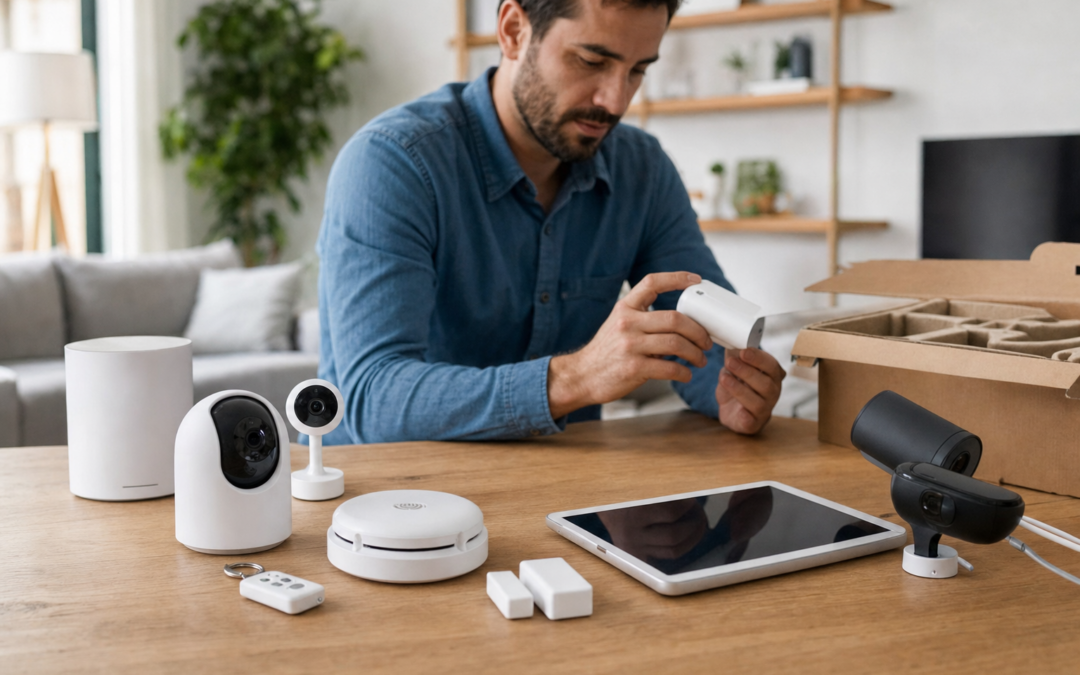
Ever wondered how Home Defense Tips evaluates the home security gear we recommend? With so many marketing claims out there, it’s easy to get lost in the hype. Our goal is to cut through the noise by sticking to a transparent, hands-on testing methodology. We prioritize real-world performance, installation experience, and honest reporting—so you know exactly what to expect from each product before you buy.
In this in-depth guide, we’ll walk you through our full process for testing home security gear—from unboxing and specs checks to daily use scenarios and affiliate transparency. Whether you’re considering a new camera, security sign, or full alarm system, you’ll see how our reviews are built on practical use, not just manufacturer claims.
Our Commitment to Honest, Practical Reviews
At Home Defense Tips, integrity comes first. Our readers trust us to provide unbiased advice and actionable information about home security products. That means we never base our reviews solely on manufacturer descriptions or marketing language. Each product we recommend goes through a consistent, hands-on evaluation process designed to surface both strengths and weaknesses.
If a product doesn’t meet our standards for reliability, ease of use, or value, we say so. We also clearly disclose our affiliate relationships—when you purchase through our links, we may earn a commission, but this never influences our editorial process. You can learn more about our affiliate policy and see a full list of our reviews on our reviews hub.
Initial Research: Specs, Claims & Fit for Purpose
Every review starts with research. Before we even open a box, we dig into product specs, manufacturer claims, and customer feedback. We ask questions like:
- What features are being advertised, and are they relevant for home defense?
- How do the specs compare to similar products in the same price range?
- Are there any red flags in user reviews about reliability or customer support?
For instance, when evaluating a security camera, we look at resolution, night vision capabilities, connectivity (Wi-Fi, PoE, cellular backup), and weather resistance. For yard signs, we consider size, material, and visibility from the street—since a flimsy or undersized sign won’t deter anyone.

10″ x 28″ Home Security System Sign Review — An editorial look at this AzReference option for yard signs — specs first, marketing second. Key figures include 10 , 10 inch, 40 .
Unboxing and First Impressions
Next, we physically unbox and inspect each product. This isn’t just about aesthetics—it’s the first chance to spot quality issues or missing parts. We check for:
- Build quality: Does the product feel solid or cheap?
- Clarity and accuracy of included instructions
- All required hardware and accessories present
- Realistic product dimensions (not just what’s on the box)
Our team photographs everything as we go, documenting packaging, included accessories, and any surprises—positive or negative. If a camera is much smaller or larger than advertised, or if a security sign arrives with sharp edges or faded print, we note it right away.
Installation: DIY Usability in Real Homes
Installation is one of the most important—and often overlooked—parts of the home security experience. We install each product in a real home setting, following the manufacturer’s instructions but also noting where things get confusing or require extra tools. Our installation process includes:
- Timing how long setup really takes (not just “as little as 10 minutes” from the box)
- Testing mounting hardware on different surfaces (wood, brick, siding)
- Verifying wireless setup, app pairing, and firmware updates
- Documenting any required drilling, wiring, or professional help
For example, a yard sign that claims “tool-free installation” but requires a mallet or special stake isn’t truly DIY-friendly. A wireless camera that drops its connection at the edge of your Wi-Fi range might not be practical for a detached garage or backyard fence.

2026 Enhanced 2K UHD Security Cameras Wireless Outdoor Review — Practical bullet cameras from realhide, summarized from hub features and listed measurements. Key figures include 24, 7, 2.13 .
Specs Verification: Testing Claims vs. Reality
Once installed, we systematically verify the product’s advertised specs under real conditions. This means:
- Measuring security sign dimensions and checking for weatherproofing (rust, fading after water exposure)
- Testing camera resolution with real video captures—day and night
- Assessing battery life or power consumption over several days
- Evaluating alarm volume, wireless range, and sensor response times
We always try to replicate “worst case” scenarios: mounting a camera at its maximum claimed range, triggering an alarm from a distant window, or leaving a yard sign exposed to rain and sun for a week. If the product falls short, we document exactly where and how.
Daily Use: Living With the Gear
Specs are only half the story. We spend at least a week using each product in a real home environment, simulating the kind of daily demands you’ll face. For cameras, this means:
- Checking for false alerts, lag, or app crashes
- Using playback features, two-way talk, and cloud storage (if available)
- Testing night vision with pets, vehicles, and people at different distances
For alarm systems, we arm and disarm them on different schedules, test panic buttons, and try to trigger every sensor from doors to windows. With yard signs, we watch for fading, theft, or accidental damage from lawn care. Our goal: to see how the gear works not just on day one, but after a week in your real world.
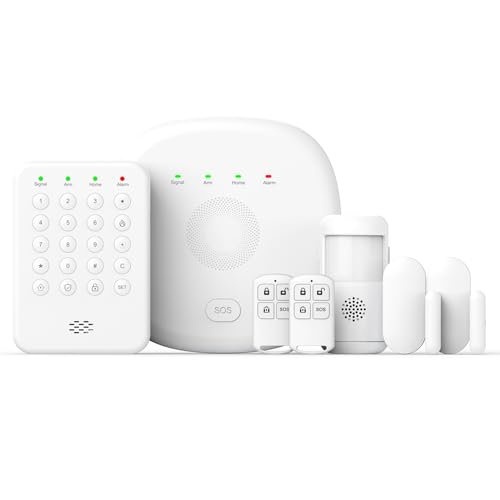
2026 Home Security System Review — An editorial look at this PGST option for home security systems — specs first, marketing second. Key figures include 1, 2 , 7 .
Security and Privacy Assessment
Home security gear often connects to your Wi-Fi, stores footage in the cloud, or sends alerts to your phone. We take privacy and data security seriously, so our tests include:
- Checking if the camera or alarm system requires excessive app permissions
- Verifying encryption of cloud storage and live video streams
- Reviewing privacy policies for data retention and sharing practices
- Testing guest access controls (can a neighbor or visitor accidentally see your footage?)
If a product forces you to create an account with unnecessary personal details, or lacks two-factor authentication, we call that out. Security doesn’t end with physical hardware—it includes your digital privacy, too.
Customer Support and Documentation
Even the best products can have issues, so we always evaluate the manufacturer’s support:
- Is there a clear, accessible customer service channel (phone, chat, email)?
- How quickly do they respond to real questions?
- Are the troubleshooting guides and manuals actually helpful?
- Is warranty coverage clearly stated and easy to claim?
We reach out to support with common questions—such as resetting a camera or replacing a faulty sensor—and report back on our experience. If support is slow, unhelpful, or tries to upsell us on unrelated services, that factors into our review.
Comparisons to Similar Products
Nothing exists in a vacuum. For each review, we compare the product to similar options in its category, focusing on:
- Price-to-performance ratio
- Unique features or standout weaknesses
- Long-term value (replacement parts, subscription fees, etc.)
- User-friendliness for different skill levels
For example, if a camera is $20 more than a competitor but offers better night vision and easier setup, we’ll highlight that difference. If a yard sign is nearly identical to a budget pick but costs twice as much, we’ll point that out as well.
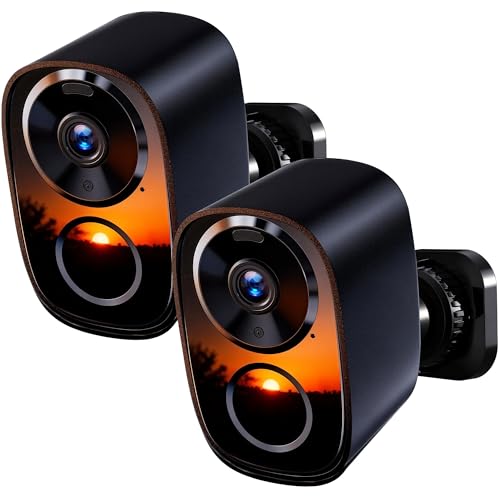
2026 Upgraded 2K Security Cameras Wireless Outdoor ( ) Review — Practical bullet cameras from realhide, summarized from hub features and listed measurements. Key figures include 3, 1 , 5 .
Affiliate Disclosure and Editorial Independence
We believe in full transparency about how we fund our site. As noted above, we participate in the Amazon Associates program, which means we may earn a commission if you buy through our links. Here’s how we keep our reviews honest:
- We never accept payment or free products in exchange for positive coverage.
- Our editors choose which products to review based on reader interest and market relevance, not affiliate payouts.
- All reviews are written by staff who have physically handled and tested the gear.
- If a product doesn’t meet our standards, we recommend alternatives or highlight its flaws—regardless of commission potential.
This policy ensures our advice always puts your security and satisfaction first.
Long-Term Testing and Updates
The home security market moves fast, with new models and software updates arriving frequently. We revisit top picks at least once a year—or sooner if major changes occur. Our long-term testing includes:
- Rechecking hardware durability after 6-12 months outdoors
- Testing new app features, firmware, or integrations
- Updating comparisons as better options hit the market
If a previously recommended product develops issues over time—like fading, failed batteries, or dropped cloud support—we update our reviews to reflect those changes. Our goal is to give you advice that remains accurate and actionable, not just a snapshot in time.
How We Summarize and Rate Products
At the end of each review, we summarize the pros, cons, and best use cases for the product. Our ratings are based on:
- Build quality and ease of installation
- Reliability and daily user experience
- Specs verification and performance under real conditions
- Security, privacy, and support
- Value for money compared to competitors
We avoid overhyped language and focus on who will benefit most from each item—whether you’re a tech-savvy homeowner looking for advanced features, or a first-time buyer who needs simple, reliable protection.
Why Our Methodology Matters for Your Safety
Home security is too important to trust to marketing alone. By sharing our detailed testing process, we hope you feel confident in the products we recommend. We know your time and money are valuable, and your safety even more so. That’s why every review is grounded in hands-on experience, honest reporting, and a clear-eyed look at the specs versus real-world performance.
If you want to explore our latest hands-on reviews and see which gear made the cut, check out our reviews hub for up-to-date, practical advice. Thank you for trusting Home Defense Tips to help protect what matters most.
Essential Home Security Gear Testing Checklist
To ensure every product review is thorough and consistent, we rely on a comprehensive checklist during our hands-on testing process. Whether you’re evaluating gear at home or following along with our reviews, this list can help you understand what matters most:
- Packaging Integrity: Is the product sealed and protected during shipping?
- Parts Inventory: Are all components, accessories, and documentation accounted for?
- Build Quality: Do materials feel durable or prone to wear?
- Instruction Clarity: Are setup steps easy to follow for beginners?
- Installation Process: How much time and what tools are required?
- Wireless Connectivity: Is pairing with Wi-Fi or base stations straightforward?
- App Experience: Is the mobile app intuitive and reliable?
- Feature Verification: Does the product deliver on advertised specs (e.g., night vision range, motion detection sensitivity)?
- False Alarms: Are there frequent, unexplained alerts?
- Environmental Suitability: Does it withstand rain, snow, or direct sun as promised?
- Battery Life/Power: Does it match stated runtimes or require frequent charging?
- Customer Support: Are help resources and warranty information accessible?
We score each category, highlight standout features, and flag any weak points. This method ensures you get a full picture—not just marketing highlights—before making a purchase.
Common Mistakes When Installing Home Security Gear
Even the best-reviewed security products can underperform if installed incorrectly. Based on our extensive testing, here are some frequent pitfalls and how to avoid them:
- Ignoring Line of Sight: Placing cameras or sensors where trees, walls, or vehicles block their view reduces effectiveness.
- Improper Mounting: Using the wrong hardware or skipping weatherproof seals can cause devices to fall or malfunction, especially outdoors.
- Weak Wi-Fi Signal: Installing wireless gear far from your router often leads to dropouts and missed alerts.
- Skipping Firmware Updates: Outdated software can introduce security vulnerabilities or bugs that affect performance.
- Overlooking Privacy Settings: Failing to adjust sharing, notifications, or motion detection zones can result in false alarms or privacy breaches.
- Neglecting Power Sources: Forgetting to charge batteries or use surge protection puts your system at risk of downtime during outages.
We test for these issues in every review, so you’ll know what to watch for and how to get the most from your investment.
Maintenance Tips for Reliable Home Security Gear
After installation, regular upkeep is crucial for long-term performance. Here are our top maintenance recommendations based on real-world testing:
- Monthly Testing: Trigger alarms and check camera feeds to ensure everything responds as expected.
- Battery Checks: Recharge or replace batteries according to manufacturer guidelines—especially before vacations or storms.
- Firmware Updates: Enable auto-updates or check for new software versions quarterly.
- Physical Inspection: Look for signs of rust, water ingress, or tampering on outdoor devices at least twice a year.
- Clean Lenses and Sensors: Wipe down camera lenses and motion sensors with a microfiber cloth to prevent false alarms and image distortion.
- Review Notification Settings: Update app preferences as your household changes (e.g., new pets, remodeling, or Wi-Fi upgrades).
We revisit products after weeks or months of use to see how they hold up—so our reviews reflect not just first impressions, but real durability.
Frequently Asked Questions About Our Testing Process
How do you choose which products to review?
We select products based on market relevance, reader requests, and emerging security trends. Our team prioritizes gear that offers real benefits for homeowners—not just flashy features. We avoid reviewing products with poor reputations or unresolved safety complaints.
Do you get paid to recommend certain brands?
No. While we may earn a commission if you purchase through our affiliate links, we never accept payment for positive coverage or placement. Our editorial team operates independently, and all opinions are our own. Learn more on our affiliate disclosure page.
How long do you test each product?
We test most products for at least two weeks, simulating daily use and stress scenarios (like power outages or heavy rain). For some gear, like cameras or alarms, we continue to monitor performance and reliability over several months before updating our reviews.
What if a product fails during testing?
If a product malfunctions or falls short of its claims, we document the issue thoroughly and contact the manufacturer for support. We always report failures, delays, or warranty hassles in our reviews so you can make an informed decision.
Can I trust your reviews if you earn affiliate commissions?
Yes. Affiliate links help fund our work, but we never let commissions influence our recommendations. We regularly decline to review or recommend products that don’t meet our standards. Our success depends on your trust, not sales volume.
Do you update your reviews if products change?
Absolutely. We revisit and update our reviews if a product receives significant firmware upgrades, hardware revisions, or major price changes. We also incorporate reader feedback and new testing results as needed.
How to Get the Most From Our Home Security Gear Reviews
To maximize the value of our reviews, consider these tips as you shop and install home security equipment:
- Read the full review—including installation notes and maintenance advice—to understand real-world pros and cons.
- Check for updates or comments from other readers, as we often add new information based on user experiences.
- Compare similar products using our side-by-side feature tables and summarized test results.
- Use our checklists to perform your own at-home evaluations, especially if you’re mixing brands or upgrading existing systems.
- Don’t hesitate to contact us with specific questions about your setup—we’re here to help you make confident, informed choices.
Home security is about more than just gear—it’s about peace of mind. Our goal is to empower you with honest insights, practical tips, and up-to-date recommendations you can trust.