
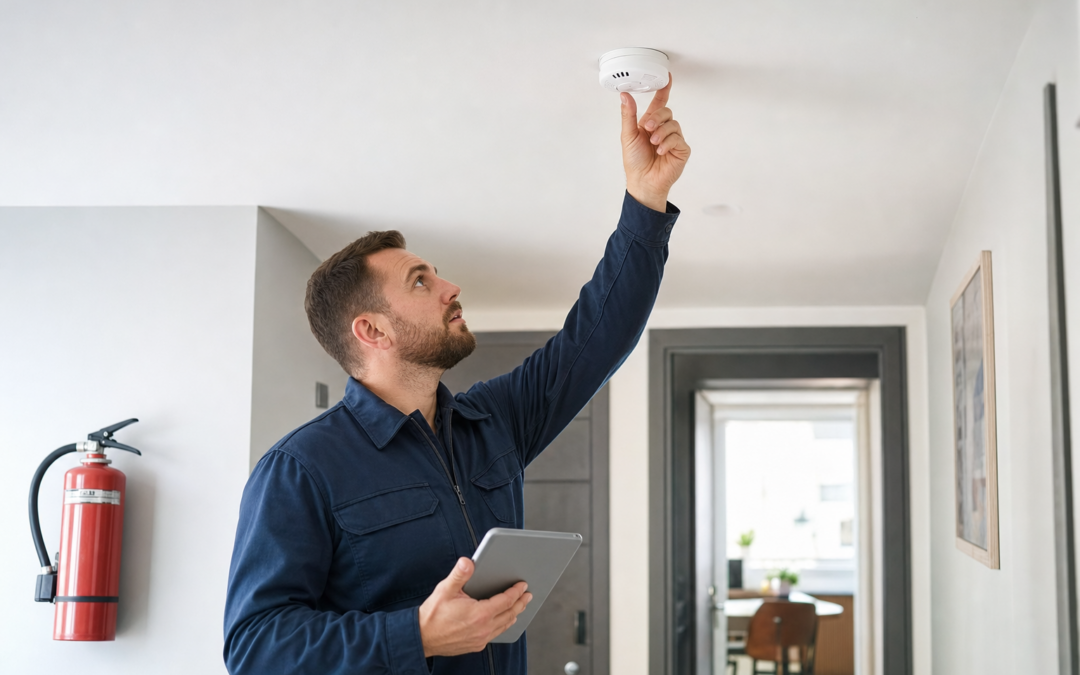
House fires can happen without warning and escalate in minutes, threatening lives and destroying property. Taking the right steps ahead of time—like installing detectors, keeping fire extinguishers handy, and practicing safe habits—can make all the difference. This comprehensive home fire safety checklist will help you protect your family and property using practical, proven methods.
Below, we’ll cover everything from smoke and carbon monoxide detectors to kitchen fire prevention, safe escape planning, and the best equipment to keep on hand. Whether you’re a first-time homeowner or looking to upgrade your current safety setup, following this guide will ensure you’re doing everything possible to prevent fires and respond quickly if one starts.
Why Home Fire Safety Matters
Every year in the U.S., more than 350,000 home fires cause thousands of injuries and billions in property damage. Most fires start due to preventable causes—kitchen accidents, faulty wiring, unattended candles, or improper use of appliances. The good news: you can drastically lower your risk by following a thorough fire safety checklist. This kind of preparation not only saves property but also gives your family the best chance to escape unharmed.
Start with Reliable Smoke Detectors
Smoke detectors are your first line of defense. Early detection gives you precious minutes to react, alert others, and get out safely. Here’s what you need to know:
- Install on every level: Place smoke detectors in every bedroom, outside sleeping areas, and on each floor—including the basement.
- Choose interconnected alarms: When one goes off, they all sound. This is especially important for larger or multi-story homes.
- Test monthly: Push the test button to ensure each alarm is working. Replace batteries at least once a year, or as recommended by the manufacturer.
- Replace units every 10 years: Sensors degrade over time, even if the alarm still “works.”
For more details and recommendations, see our main fire safety hub.
Don’t Forget Carbon Monoxide Detectors
While smoke detectors are essential, carbon monoxide (CO) detectors are just as critical. CO is an odorless, colorless gas caused by incomplete combustion from gas appliances, fireplaces, or attached garages. Exposure can be deadly in minutes. Install CO detectors:
- On every level of your home, especially near sleeping areas.
- At least 15 feet away from fuel-burning appliances to avoid false alarms.
- Test along with your smoke alarms, and replace units as directed (usually every 5-7 years).
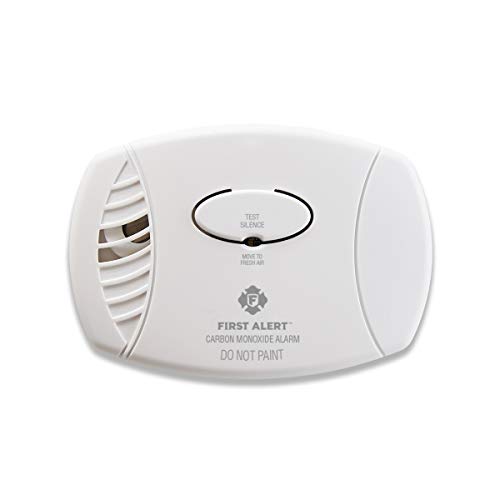
FIRST ALERT CO605 Plug-in Carbon Monoxide Detector with Battery Backup Review — A First Alert pick in Carbon Monoxide Detectors that focuses on real-world usability Key figures include 85 , 8 hours, 1.
Fire Extinguishers: Placement and Maintenance
Having a fire extinguisher on hand can turn a small, manageable fire into a non-event. But the right type and placement are crucial. Here’s how to make sure you’re prepared:
- Keep at least one fire extinguisher on every floor. Place them near exits and in high-risk areas like the kitchen, garage, and laundry room.
- Choose multipurpose (ABC) extinguishers. These work on most household fires—wood, paper, grease, and electrical.
- Learn the PASS method: Pull the pin, Aim low, Squeeze the lever, and Sweep side to side.
- Check the pressure gauge monthly. Replace or recharge as needed and ensure everyone knows where extinguishers are located.

AmzBoom Fire Extinguisher for Home Review — AmzBoom fire extinguishers gear aimed at buyers who want clear specs before they click through. Key figures include 3 PACK, 3 Pack, 2.6 .

AmzBoom Fire Extinguisher for Home Review — An editorial look at this AmzBoom option for fire extinguishers — specs first, marketing second. Key figures include 8, 1 , 2.
Fire Blankets: Quick Response for Kitchen Fires
Cooking is the leading cause of home fires. A fire blanket is a fast, mess-free way to smother small grease or pan fires before they spread. Keep a fire blanket in a visible, accessible spot in your kitchen—ideally mounted on the wall or inside a cabinet door. Fire blankets are also useful for wrapping around a person whose clothes have caught fire, or as a heat shield during escape.
- Check the size—larger blankets offer better coverage for stovetop or grill fires.
- Practice pulling the blanket out quickly so you’re not fumbling during an emergency.
- After use, replace the fire blanket as it can’t be reused.

40”x40” Fire Blanket for Home and Kitchen Firemen Safety Gifts Review — RESCUE GUARD fire safety gear aimed at buyers who want clear specs before they click through. Key figures include 1 Pack, 60001, 1.28089 pounds.
Kitchen Habits That Prevent Fires
Most home fires start in the kitchen, but they’re also among the most preventable. Adopt these daily habits to reduce your risk:
- Never leave cooking unattended. If you must leave, turn off the stove—even for a minute.
- Keep flammable items away from the stovetop. This includes towels, oven mitts, wooden utensils, and food packaging.
- Clean cooking surfaces regularly. Grease buildup can ignite quickly.
- Don’t wear loose clothing while cooking. Sleeves can easily catch fire.
- Have a pot lid nearby. If a pan catches fire, slide the lid over it to smother flames—never use water on a grease fire.
- Use appliances as directed. Don’t overload outlets, and unplug countertop appliances when not in use.
Safe Use of Space Heaters and Fireplaces
Heating equipment is the second-leading cause of home fires. Use these tips to minimize risk:
- Keep heaters at least 3 feet away from anything flammable. This includes curtains, furniture, bedding, and papers.
- Always turn off heaters when you leave the room or go to sleep.
- Have chimneys and vents cleaned annually. Soot and creosote buildup can ignite inside the flue.
- Use a sturdy screen in front of fireplaces. This prevents sparks and embers from escaping.
- Never use extension cords with space heaters. Plug them directly into a wall outlet.
Electrical Safety: Stop Fires Before They Start
Electrical fires often start behind walls or in ceilings, making early detection difficult. Prevention is key:
- Don’t overload outlets or power strips. Plug only one heat-producing appliance into each outlet.
- Replace damaged cords and plugs immediately. Frayed wires can spark and ignite nearby materials.
- Use only UL-listed appliances and extension cords. This ensures they meet recognized safety standards.
- Have a licensed electrician inspect your wiring every 10 years, or sooner if you notice flickering lights or tripped breakers.
- Don’t run cords under rugs or furniture. This traps heat and can wear away insulation.
Plan and Practice Fire Escape Routes
No matter how well-prepared you are, you must have a plan for getting everyone out fast. Here’s how to ensure your family is ready:
- Draw a floor plan of your home. Mark two exits from every room (door and window).
- Pick a safe meeting spot outside. This could be a neighbor’s porch, a mailbox, or a tree—far enough from the house to be safe.
- Practice your escape plan at least twice a year. Include everyone—kids, older adults, and pets.
- Teach children how to unlock windows and remove screens. Keep escape ladders in upstairs bedrooms if needed.
- Remind everyone: get out and stay out. Never go back inside for valuables or pets.
What to Do If a Fire Starts
Even with careful prevention, fires can happen. Knowing what to do in the first 60 seconds can save lives:
- Stay calm and act fast. Sound the alarm and alert everyone immediately.
- Check doors for heat before opening. If the knob is hot, use another exit. Smoke and fire spread quickly.
- Stay low to the ground. Crawl under smoke, which rises and can be deadly to inhale.
- If trapped, seal cracks around doors with wet towels. Signal for help from a window.
- Call 911 from outside the home. Never assume someone else has already called.
After the Fire: Recovery and Prevention
Once everyone is safe and the fire is out, your actions can prevent future incidents and aid in recovery:
- Have your home professionally inspected for hidden damage. Fires can weaken structures and wiring.
- Replace used or damaged safety equipment. This includes extinguishers, blankets, and detectors.
- Review your insurance coverage regularly. Make sure you’re protected for fire and smoke damage.
- Debrief with your family. Discuss what went well and what you’d do differently next time.
Consider scheduling a visit from your local fire department for a home safety review and tips specific to your house and neighborhood.
Seasonal Fire Safety Reminders
Some fire risks increase at certain times of year. Add these seasonal checks to your routine:
- Winter: Inspect heating equipment, keep space heaters away from flammables, and check holiday light wiring.
- Spring: Clean out gutters and yard debris—dry leaves and branches are fuel for outdoor fires.
- Summer: Grill safely, keeping equipment away from structures and overhanging branches.
- Fall: Test smoke and CO detectors at daylight saving time changes, and inspect fireplaces before use.
Fire Safety for Kids and Seniors
Children and older adults are at increased risk during home fires. Adapt your fire safety plan for their needs:
- Teach kids what alarms sound like and what to do when they hear them. Practice “stop, drop, and roll” and escaping on hands and knees.
- Keep matches and lighters out of reach. Store them in locked cabinets.
- For seniors, install extra handrails and nightlights. Make sure exits are clear and accessible, and consider alert systems for those with hearing loss.
- Have someone assigned to assist anyone who may need help escaping.
Regular Home Fire Safety Inspections
A fire safety checklist isn’t a one-time task. Commit to regular inspections to keep your home protected:
- Monthly: Test alarms, check extinguisher pressure, and look for new hazards.
- Every 6 months: Review your escape plan, clean dryer vents, and inspect cords and outlets.
- Annually: Replace batteries, service heating appliances, and check insurance policies.
Set calendar reminders or tie inspections to other household routines for consistency.
Building a Complete Home Fire Safety Checklist
To help you stay organized, here’s a summary checklist you can print or copy for your own use:
- Install and test smoke detectors on every level and in every bedroom.
- Install and test carbon monoxide detectors near sleeping areas.
- Keep at least one multipurpose fire extinguisher per floor, and learn how to use it.
- Mount a fire blanket in the kitchen for grease and pan fires.
- Practice kitchen safety: never leave cooking unattended, and keep flammable items away from the stove.
- Inspect electrical cords, outlets, and appliances for damage or overloads.
- Use heating equipment safely and have chimneys cleaned annually.
- Plan two escape routes from every room and practice fire drills regularly.
- Establish a family meeting spot outside your home.
- Store matches and lighters out of reach of children.
- Review your checklist and equipment regularly, updating as needed.
Staying proactive with your home fire safety not only protects your loved ones but can also save you money on insurance and give invaluable peace of mind. For more detailed safety guides and product reviews, be sure to visit our fire safety hub.
Comprehensive Home Fire Safety Checklist
Use this checklist as a quick reference to ensure every area of your home is covered for fire safety. Walk through your home regularly and verify each item:
- Smoke Detectors:
- Installed on every floor, in each bedroom, and outside sleeping areas
- Tested monthly
- Batteries replaced annually or as needed
- Replaced every 10 years
- Carbon Monoxide Detectors:
- Installed on every floor and near sleeping areas
- Tested monthly
- Replaced every 5-7 years
- Fire Extinguishers:
- At least one on every floor
- Located in the kitchen, garage, and near exits
- Pressure checked monthly
- Everyone in the home knows how to use them
- Fire Escape Plan:
- At least two exits from every room
- Family members know escape routes
- Meeting spot outside designated
- Practice drills at least twice a year
- Electrical Safety:
- No overloaded outlets or extension cords
- Appliances in good repair
- Wiring checked by a professional every 10 years
- Heating Equipment:
- Space heaters kept three feet from anything flammable
- Chimneys and vents cleaned annually
- No portable heaters left unattended
- Kitchen Safety:
- Never leave cooking unattended
- Keep flammable items away from stovetops
- Have a lid nearby to smother small grease fires
- Candles & Smoking:
- Never leave candles unattended
- Use sturdy candle holders
- Smoke outside and use deep, sturdy ashtrays
Common Home Fire Safety Mistakes
Even with good intentions, homeowners often make mistakes that can compromise their fire safety. Here are some of the most frequent missteps—and how to avoid them:
- Disabling Smoke Alarms: Removing batteries due to nuisance alarms (like from cooking) leaves you unprotected. Instead, move the detector or use the “hush” feature.
- Improper Fire Extinguisher Use: Many people have extinguishers but don’t know how to use them. Review the PASS method and practice regularly.
- Neglecting Maintenance: Failing to test alarms or check extinguisher pressure means you might discover a problem too late.
- Leaving Cooking Unattended: The number one cause of home fires. Always stay in the kitchen when frying, grilling, or broiling food.
- Blocking Exits: Furniture, boxes, or locks can block escape routes. Keep all exits clear and easy to open.
- Overloading Outlets: Plugging too many devices into one outlet can cause overheating and fires. Use power strips with surge protection and never daisy-chain extension cords.
Fire Safety Equipment Maintenance Tips
Routine maintenance is essential to ensure your safety equipment works when you need it most. Here’s how to keep everything in top condition:
- Smoke & CO Detectors:
- Test alarms monthly by pressing the test button.
- Replace batteries at least once a year, or immediately if the low-battery chirp sounds.
- Gently vacuum detectors every six months to remove dust that can impede sensors.
- Replace the entire unit at the end of its lifespan (10 years for smoke, 5-7 years for CO).
- Fire Extinguishers:
- Check the pressure gauge every month—the needle should be in the green zone.
- Inspect for any signs of damage, rust, or corrosion.
- Shake dry chemical extinguishers once a year to prevent powder from settling.
- Service or replace immediately if used, damaged, or expired.
- Escape Ladders:
- Store in an accessible place (e.g., under a bed near a window).
- Periodically review how to deploy and use them with all family members.
Set calendar reminders for these tasks to make regular maintenance part of your routine.
Frequently Asked Home Fire Safety Questions
How often should I test my smoke and carbon monoxide detectors?
You should test both smoke and CO detectors at least once a month. Press the test button on each unit to ensure it sounds. If you have interconnected alarms, make sure all units activate when one is tested.
Where is the best place to store fire extinguishers?
Fire extinguishers should be mounted in visible, easily accessible locations—especially in the kitchen, garage, and near exits. Avoid placing them behind doors or inside cabinets where they might be blocked during an emergency.
Do I need a fire escape ladder?
If you have bedrooms above the ground floor, a fire escape ladder is a smart investment. Store it near the window and make sure everyone knows how to use it. Practice deploying it during fire drills.
What should I do if my smoke alarm keeps going off when I cook?
If your smoke alarm is triggered by cooking, try relocating it farther from the kitchen or using a photoelectric alarm, which is less prone to false alarms from cooking smoke. Never remove the battery or disable the alarm entirely.
How can I practice a fire drill at home?
Start by sounding the alarm and having everyone in the home follow the escape plan to your designated meeting spot. Time the drill and discuss any obstacles or confusion. Practice at least twice a year, including at night.
Is it safe to use water on a grease fire?
No, never use water on a grease fire—it can cause the fire to spread rapidly. Instead, turn off the heat and cover the pan with a lid to smother the flames. Use a Class B or multipurpose extinguisher if needed.
How often should chimneys and heating appliances be inspected?
Have chimneys, fireplaces, and heating appliances inspected and cleaned by a professional at least once a year. This helps prevent dangerous creosote buildup and ensures safe operation.
Fire Safety for Children and Pets
Fire safety is a family affair, and it’s important to involve everyone—including kids and pets—in your preparedness plan:
- Teach children how to recognize the sound of smoke and CO alarms and what to do when they hear them.
- Show kids how to crawl low under smoke and never hide during a fire.
- Assign adults to help younger children or pets during drills and in real emergencies.
- Include pet carriers or leashes near exits for quick evacuation.
- Practice “stop, drop, and roll” with children so they know what to do if their clothes catch fire.
By practicing together and assigning roles, you ensure a faster, safer escape for everyone in the household.
Resources for Further Learning
For more in-depth fire safety information, visit these trusted resources: