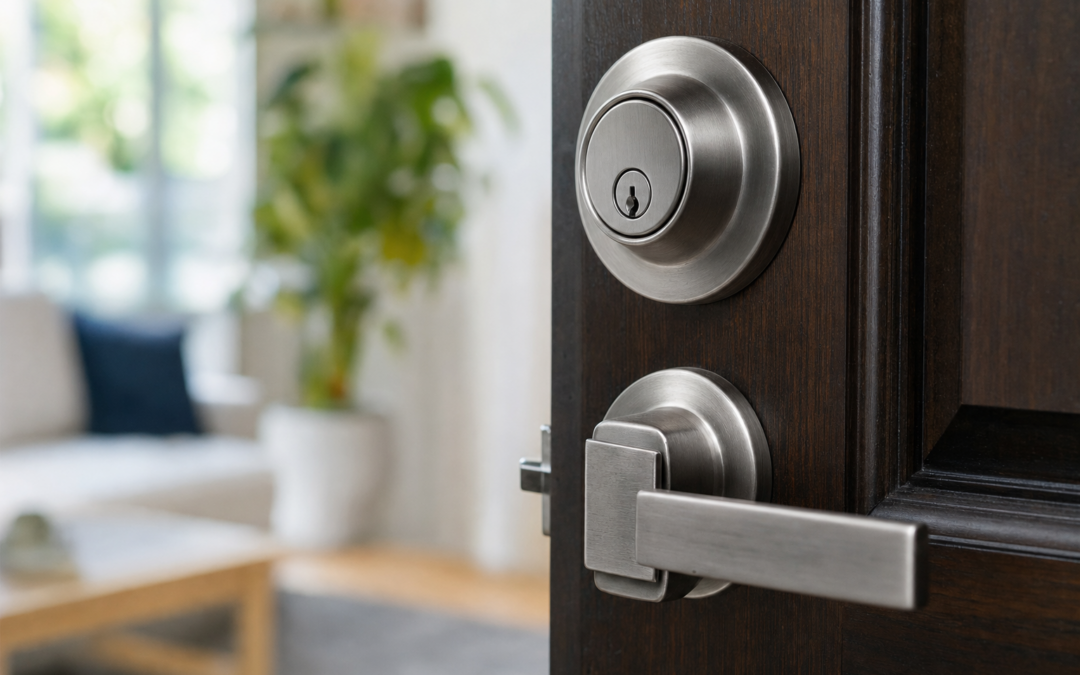
If you’re serious about home security, your front door’s lock setup is your first and most crucial line of defense. The right deadbolt or entry set can mean the difference between a vulnerable entry point and a strong, reliable barrier that deters would-be intruders. But with so many lock products on the market, it’s not always clear which ones stand up to real-world threats, and which are just window dressing. That’s why this review roundup focuses squarely on tested, practical deadbolt and lock solutions to help you secure your home’s entryways with confidence.
In this comprehensive guide, we’ll break down key features of top-rated deadbolts, combo sets, and garage door locks. We’re not just looking at manufacturer claims — we’re considering durability, installation, user feedback, and how well these products fit into a layered home defense strategy. Whether you’re replacing an old latch or upgrading to a more robust security system, you’ll find honest, practical recommendations here. For a broader look at home defense products, you can always find more insights and in-depth reviews on our reviews hub.
What Makes a Door Lock Strong?
Not all locks are created equal. The strength of a door lock comes down to several factors: material quality, locking mechanism, resistance to forced entry, and ease of installation. A strong lock should resist common attacks such as picking, bumping, drilling, and brute force kicks. Look for deadbolts with reinforced strike plates, hardened steel bolts, and ANSI/BHMA ratings (Grade 1 being the most secure for residential use).
Pay attention to both the bolt length and the quality of the screws provided for installation. Longer bolts and 3-inch screws can dramatically improve resistance to physical attacks by anchoring the strike plate deep into the wall stud, not just the door frame.
Types of Locks for Residential Security
When securing your home’s entry points, you’ll encounter several lock types — each with its strengths and ideal use cases:
- Single Cylinder Deadbolts: Operated by a key from the outside and a thumb turn from the inside. These are the most common and balance security with ease of use.
- Double Cylinder Deadbolts: Require a key on both sides. They offer extra security but can be a fire hazard if not used carefully.
- Knob and Lever Handle Sets: Provide basic security but should always be paired with a robust deadbolt.
- Smart Locks: Add convenience and remote control, but their core security still depends on the underlying mechanical deadbolt.
- Garage and Auxiliary Locks: Reinforce secondary doors, which are common targets for break-ins.
For most US homeowners, a quality single-cylinder deadbolt paired with a solid knob or lever is the minimum baseline for front and back doors.
BESTTEN Keyed Same Exterior Door Knob and Single Cylinder Deadbolt Combo Set Review

BESTTEN Keyed Same Exterior Door Knob and Single Cylinder Deadbolt Combo Set Review — A BESTTEN pick in Door Knobs that focuses on real-world usability Key figures include 2.54, 64, 3 .
This entry combo from BESTTEN is designed for those who want a matched look and keyed convenience across multiple doors. The set includes a sturdy exterior knob and a single cylinder deadbolt, both keyed alike so you don’t have to juggle multiple keys for different entry points.
Key Features:
- Both knob and deadbolt use the same key (keyed alike), reducing hassle and potential lockouts.
- Fits standard US door thicknesses (1-3/8″ to 1-3/4″) and comes with adjustable backset for easy installation.
- Solid metal construction with a satin nickel finish for corrosion resistance and a clean, modern look.
- Single cylinder deadbolt provides reliable protection against forced entry and lock picking.
In real-world use, the BESTTEN combo set stands out for its balance of affordability, ease of installation, and solid basic security. It’s not a high-security specialty lock, but for most suburban homes and apartments, it’s a major upgrade over builder-grade hardware. The included screws are adequate, but swapping them for longer 3-inch wood screws can further enhance the strike plate strength.
Users appreciate the smooth action of both the knob and deadbolt, as well as the tight tolerances that resist tampering. If you’re replacing old mismatched hardware or want consistent keys for multiple doors, this combo is a practical choice.
For a full breakdown of specs and user experiences, see our complete review of the BESTTEN combo set.
BESTTEN Single Cylinder Deadbolt Review

BESTTEN Single Cylinder Deadbolt Review — Practical deadbolts from BESTTEN, summarized from hub features and listed measurements. Key figures include 4.13 , 2.54 , 1.
The BESTTEN Single Cylinder Deadbolt is a straightforward, no-nonsense deadbolt aimed at homeowners who want reliable security without unnecessary frills. It’s designed to fit standard exterior doors and is compatible with most existing lock setups, making it an easy replacement for worn or less secure deadbolts.
Key Features:
- Single cylinder operation: Keyed entry from the outside, thumb turn inside for quick locking/unlocking.
- Heavy-duty metal bolt provides strong resistance to kicking and prying attacks.
- Adjustable latch fits both 2-3/8″ and 2-3/4″ backsets, covering most US doors.
- Satin nickel finish resists rust, tarnish, and weathering.
Installation is straightforward, with clear instructions and all necessary hardware included. The deadbolt’s action is smooth, and the internal mechanism resists common lock-picking techniques. For best results, pair this deadbolt with a reinforced strike plate and use 3-inch screws for installation. This can dramatically increase the amount of force the lock can withstand in a break-in attempt.
While it’s not a smart lock or equipped with advanced anti-bump features, the BESTTEN deadbolt is a solid, budget-friendly upgrade for any entry door. Its reliability and simplicity make it a favorite among landlords and homeowners looking for an affordable security boost. For more on performance and installation tips, read our detailed review of the BESTTEN Single Cylinder Deadbolt.
Comfhouse 1 Side Keyed Deadbolt Lock Review

Comfhouse 1 Side Keyed Deadbolt Lock Review — An editorial look at this Comfhouse option for deadbolts — specs first, marketing second. Key figures include 3 , 5 , 250.
The Comfhouse 1 Side Keyed Deadbolt Lock is designed for users who need a straightforward, secure locking solution for exterior or interior doors where keyed entry is needed on one side only. This deadbolt is especially useful for basement doors, side entries, or rental units where outside access needs to be controlled without complicating egress from inside.
Key Features:
- Keyed on the exterior side, thumb turn on the interior for easy exit in emergencies.
- Solid brass cylinder and heavy-duty construction for increased resistance to forced entry.
- Compatible with standard 2-3/8″ or 2-3/4″ backsets, and fits doors up to 1-3/4″ thick.
- Simple, clean design that doesn’t draw attention but provides solid security.
Installation is straightforward for a DIYer with basic tools. The included screws are adequate for most doors, but again, upgrading to longer wood screws is a smart move if you want to maximize security. The locking mechanism is smooth and reliable, and the key cylinder resists picking attempts better than many off-brand options in this price range.
One key advantage of this model is its suitability for doors that don’t require double-cylinder locking (key on both sides), which can be a fire hazard. The thumb turn inside allows for fast, safe egress. If you’re securing a rental property, basement, or utility room, this deadbolt is a practical, cost-effective pick. For more technical details and buyer impressions, check out our full Comfhouse deadbolt review.
Garage Door Locks with Self Tapping Screws Inside Review
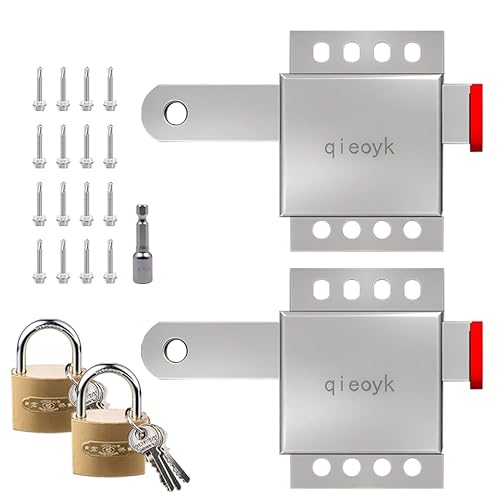
Garage Door Locks with Self Tapping Screws Inside Review — A qieoyk pick in Deadbolts that focuses on real-world usability Key figures include 8 , 6.4 , 2.
Garage doors are a frequent weak point in home security, as many homeowners rely on the basic factory latch or an automatic opener alone. The Garage Door Locks with Self Tapping Screws Inside is a robust, mechanical solution designed to physically block the door from being forced open, whether you’re home or away.
Key Features:
- Sturdy steel locking mechanism physically blocks the track, preventing the door from sliding open.
- Includes self-tapping screws for secure installation into metal or wood garage door tracks.
- Simple, mechanical design means no batteries or electronics to fail, and no remote hacking risk.
- Can be installed on one or both sides of the garage door for added security.
Many burglars target garage doors as a quick entry point, often exploiting weak locks or using coat hangers to trip emergency releases. This lock counters that by providing a hard physical barrier that can’t be bypassed without significant noise and effort. Installation is straightforward, especially with the included self-tapping screws, and most users can secure their garage in under 30 minutes.
Homeowners report a significant increase in peace of mind after installing this lock, especially in neighborhoods with a history of garage break-ins. It’s also a smart choice for detached garages or storage sheds. For a closer look at installation steps and performance, see our full review of these garage door locks.
How to Install a Deadbolt for Maximum Security
Even the best deadbolt can be rendered ineffective if not installed correctly. Here are some practical steps to maximize your lock’s security:
- Reinforce the strike plate: Replace the standard screws with 3-inch hardened steel screws that reach into the wall stud, not just the doorjamb.
- Check door alignment: Make sure the deadbolt fully extends into the strike plate hole and doesn’t bind or catch.
- Use a quality drill and bits: For new installations, use a hole saw and drill guide for precise placement.
- Adjust for door thickness and backset: Most locks are adjustable, but double-check measurements before drilling.
For renters or those unable to modify door frames, consider using a portable door lock or reinforcing bar as a temporary measure. If you’re not confident in your DIY skills, professional installation is a smart investment — even the best lock fails if it’s loose or misaligned.
Lock Grades and Certifications Explained
When shopping for deadbolts and locks, you’ll see references to ANSI/BHMA grades. Here’s what they mean:
- Grade 1: The highest residential security rating, tested to withstand over 250,000 cycles and significant force. Ideal for exterior doors.
- Grade 2: Good for light commercial and high-security residential doors. Still robust, but not as heavy-duty as Grade 1.
- Grade 3: Basic residential security. Better than no deadbolt, but should be upgraded if possible.
All of the locks reviewed in this roundup meet at least Grade 3 standards, with several exceeding them. For most homeowners, upgrading to Grade 1 hardware is a smart move, especially for front and back entry doors.
Common Weak Points in Entry Door Security
Upgrading your deadbolt is just one part of a secure entry system. Here are some common vulnerabilities to address:
- Weak door frames: Reinforce with a metal strike plate and long screws.
- Hollow core doors: Use only solid wood or metal doors for exterior entries.
- Glass near the lock: Install double-cylinder deadbolts or security film on glass panels near locks.
- Poorly installed hardware: Make sure all components are tight, flush, and properly aligned.
Regularly inspect your locks and doors for signs of wear or tampering. If you notice loose hardware, misaligned bolts, or chipped wood, address it immediately.
Maintenance and Longevity: Keeping Your Locks Reliable
A lock is only as good as its condition. Here’s how to keep yours working smoothly:
- Lubricate annually: Use a graphite or silicone-based lubricant (never oil) to keep keyways and moving parts free of debris.
- Check for rust and corrosion: Especially on exterior doors exposed to weather. Replace parts as needed.
- Test keys and mechanisms: Ensure all keys work smoothly and the thumb turn or lever doesn’t stick or bind.
- Rekey after move-in: Always replace or rekey locks when moving into a new home, or if keys are lost or stolen.
Regular maintenance extends the life of your lock and ensures it will work when you need it most.
Smart Lock Compatibility and Upgrades
If you’re considering smart lock upgrades, make sure your base deadbolt is robust. Many smart lock kits attach to the interior side of a standard deadbolt, so the mechanical security is still provided by the underlying hardware. If you’re starting with a weak or worn-out deadbolt, even the fanciest smart lock won’t help much.
Some of the products reviewed above, such as single-cylinder deadbolts, are compatible with popular smart lock adapters. Always check the manufacturer’s guidelines for fit and compatibility. For best results, pair a high-quality mechanical lock with a smart lock system for both convenience and security.
Choosing the Right Lock for Your Home
The “best” lock depends on your specific needs. Here are some quick scenarios and recommendations:
- Replacing builder-grade hardware: Upgrade to a combo set like the BESTTEN Keyed Same Combo for a quick, noticeable improvement in security and convenience.
- Securing a rental or secondary door: Choose a practical, affordable deadbolt such as the Comfhouse 1 Side Keyed Deadbolt.
- Protecting a garage or outbuilding: Install a dedicated garage door lock with self-tapping screws for a robust physical barrier.
- Maximizing front door security: Invest in a Grade 1 deadbolt, reinforce the strike plate, and consider smart lock compatibility.
Always match your lock to the threat level and entry point. Back doors, garage entries, and basement doors are often overlooked but are common targets for burglars.
Final Thoughts: Layered Security for Peace of Mind
No single lock can provide absolute security, but choosing a high-quality deadbolt or combo set and installing it correctly is one of the most effective steps you can take to protect your home. Combine strong mechanical locks with good habits (locking doors, not hiding spare keys outside, maintaining your hardware), and consider additional layers like security cameras or alarms for comprehensive protection.
The products reviewed here represent practical, real-world upgrades for most US homes — not just in terms of specs, but in how they perform day in, day out. For more detailed product breakdowns, installation tips, and home defense strategies, visit our home security reviews hub.
Remember, the goal isn’t to make your home impenetrable — it’s to make it a less attractive target than the next house on the block. With the right locks and a little know-how, you can do just that.