
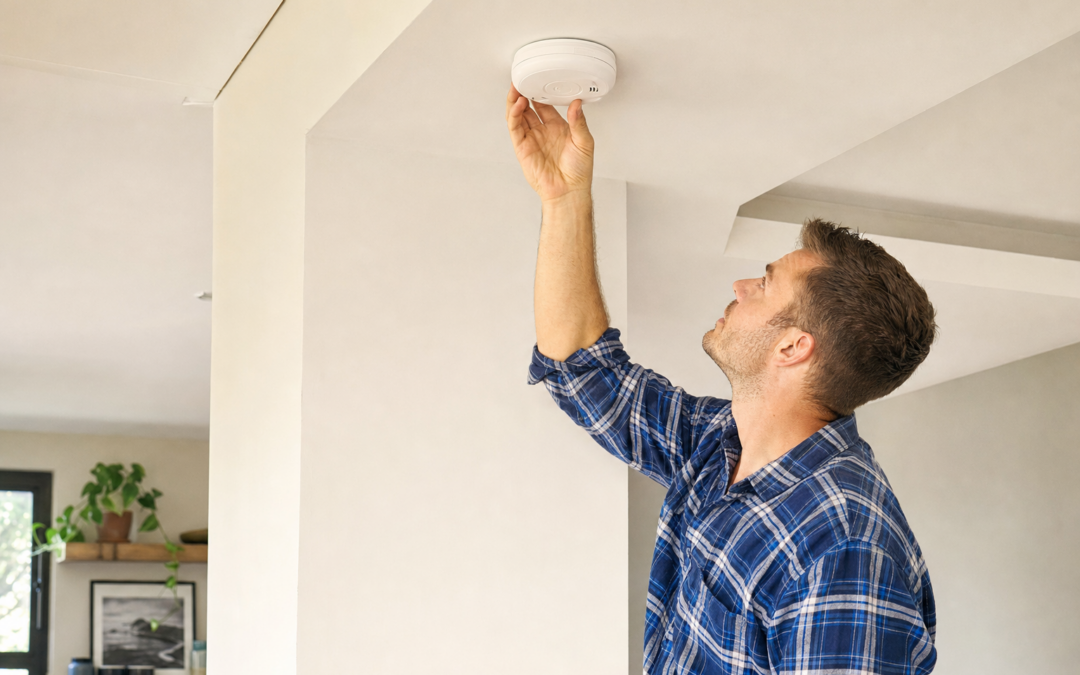
When it comes to protecting your home and loved ones from fire and carbon monoxide (CO) threats, your choice of alarm systems matters. Homeowners today are often faced with a decision: should you install separate smoke and CO detectors, or opt for combination units that handle both hazards in a single device? Each approach has distinct advantages, tradeoffs, and practical considerations that can impact your safety, your budget, and your day-to-day convenience.
Understanding the differences between combination smoke/CO alarms and separate units can help you make a more informed decision, tailored to your home’s layout and your family’s needs. This guide will break down the pros and cons of each system, address common questions, and provide actionable tips for choosing, installing, and maintaining your alarms effectively.
Why Smoke and Carbon Monoxide Alarms Are Essential
Before diving into the comparison, it’s important to recognize why both smoke and carbon monoxide alarms are non-negotiable for home safety. Smoke alarms alert you to the presence of fire, giving you precious time to escape. Carbon monoxide alarms, on the other hand, detect an odorless, colorless gas that can cause illness or death before you even realize there’s a problem. The National Fire Protection Association (NFPA) and U.S. Consumer Product Safety Commission recommend installing both types of alarms throughout your home.
How Combination Smoke/CO Alarms Work
Combination alarms integrate smoke and carbon monoxide detection into a single unit. Instead of buying and installing two separate devices for each area of your home, you simply mount one. These devices typically use photoelectric or ionization sensors for smoke, and electrochemical sensors for CO. When either hazard is detected, the alarm sounds, and many models provide distinct alerts for each threat.

First Alert Battery Combination Smoke & Carbon Monoxide Alarm Review — An editorial look at this First Alert option for combination smoke & carbon monoxide detectors — specs first, marketing second. Key figures include 2, 1 , 1.
Advantages of Combo Units
- Simplified Installation: Fewer devices to mount and maintain.
- Space Saving: Ideal for smaller rooms or ceilings with limited space.
- Unified Maintenance: Only one battery or device to test and replace per location.
- Modern Features: Many combo units offer voice alerts, digital displays, and smart home compatibility.
Separate Smoke and CO Detectors: How They Differ
Separate units mean you install a dedicated smoke alarm and a dedicated CO detector at each required spot. This traditional setup lets you position each type of alarm in the optimal place, according to manufacturer guidelines and building codes. Smoke alarms should be installed on every level, inside bedrooms, and outside sleeping areas, while CO alarms are recommended near sleeping areas and, in some cases, on every level of your home.

First Alert BRK SMI100-AC Hardwired Smoke Detector with Battery Backup Review — An editorial look at this First Alert option for smoke detectors & fire alarms — specs first, marketing second. Key figures include 6 pack, 120, 9.
Benefits of Separate Devices
- Specialized Placement: Allows for optimal positioning for each hazard type.
- Redundancy: If one device fails, the other is unaffected.
- Wider Range of Features: You can select best-in-class smoke and CO detectors independently.
Installation and Placement: Combo vs Separate
One of the main tradeoffs between combination and separate units is installation flexibility. Combo units are convenient, but they must be placed where both smoke and CO detection is effective—usually on the ceiling or high on the wall, but not directly above fuel-burning appliances or in bathrooms where humidity can cause false alarms.
Separate units let you fine-tune placement. For example, smoke rises, so smoke alarms are best on the ceiling, whereas CO can mix evenly with air, so CO detectors may be placed lower on the wall or even near the floor in some cases. Following the manufacturer’s placement guidance for each device helps ensure maximum effectiveness, which is easier with separate units.
Maintenance and Testing: What to Expect
Regardless of which system you choose, regular maintenance is essential. Combo units simplify this process—there’s only one battery or device to test per location. You’ll typically press a single test button to verify both smoke and CO sensors are working. Many models include end-of-life warnings, alerting you when it’s time to replace the device.

First Alert Battery Smoke Alarm Review — Practical smoke detectors & fire alarms from First Alert, summarized from hub features and listed measurements. Key figures include 3, 5.6 , 0.6 pounds.
With separate units, you must test each device individually, track multiple batteries or expiration dates, and perform more maintenance tasks overall. However, if one device malfunctions or reaches the end of its lifespan, the other still offers protection.
Cost Considerations: Upfront and Over Time
Combo alarms are usually more expensive than single-purpose detectors when compared unit-for-unit. However, since you need fewer devices, the total cost for a full home can be similar or even lower. Factor in the price of batteries, installation, and eventual replacement. Some areas of your home may require both alarm types, making combo units a straightforward solution.
Separate units may be more affordable individually, but you’ll need to buy and install twice as many devices for full coverage. Over time, replacing batteries and devices can add up. Consider your budget, but don’t compromise on coverage—both fire and CO detection are critical.
Reliability and Redundancy: Weighing the Risks
Reliability matters most in life safety devices. Combo units concentrate risk—if the device fails completely, you lose both smoke and CO protection in that area. However, most modern alarms have built-in redundancy and self-testing features to minimize this risk. Some offer wireless interconnection, so if one alarm sounds, all alarms in your home alert you.
With separate units, a failure of one device doesn’t affect the other. This redundancy can be reassuring, especially in larger homes or critical areas like bedrooms and basements. If you’re especially concerned about reliability, installing both a combo unit and a backup single-purpose detector in key locations is an option (check local codes for requirements).
Smart Features and Interconnectivity
Today’s alarms often include smart features like voice alerts, app notifications, and interconnectivity. Combination units commonly offer these features, making them attractive for tech-savvy homeowners. Smart combo alarms can send alerts to your phone, distinguish between smoke and CO threats, and even integrate with home automation systems.
Separate units may offer similar features, but compatibility can be an issue if you mix brands or models. Interconnected systems—wired or wireless—are especially important in larger homes, ensuring that an alarm in one area triggers alerts throughout the house. When shopping, verify that your alarms support interconnection and compatibility with your existing system.
Code Compliance and Insurance Considerations
Local building codes and insurance policies may specify requirements for smoke and CO alarm coverage. In many states, combination alarms are acceptable, provided they are UL-listed and installed per code. Some jurisdictions, however, specify separate devices in certain locations. Always check your local regulations before purchasing or installing alarms.
Insurance companies may offer discounts for homes with compliant, interconnected alarm systems. Keep documentation of your alarm purchases, installation dates, and regular maintenance to streamline any claims or inspections. For more on fire safety, see the fire safety hub for additional resources.
Replacement and Longevity: When to Upgrade
All smoke and CO alarms have a limited lifespan. Smoke detectors typically last 8–10 years, while CO sensors last about 5–7 years (combo units usually follow the shorter of the two). Many newer alarms provide end-of-life warnings—don’t ignore these. Replace alarms promptly, and keep a record of installation dates.

First Alert Hardwire Smoke Alarm Review — First Alert smoke detectors & fire alarms gear aimed at buyers who want clear specs before they click through. Key figures include 6, 21.63 .
When upgrading your system, consider whether to stick with your current setup or switch to combo units. If your home already has good coverage with separate units, replacing like-for-like may be simplest. If you’re remodeling or outfitting a new home, combo alarms may offer convenience and space savings.
Common Questions About Combo vs Separate Alarms
- Are combination alarms as reliable as separate units? Quality combo alarms from reputable brands are tested to the same standards as separate devices. Always choose UL-listed devices and follow installation guidelines.
- Do combination alarms provide distinct alerts for smoke and CO? Most modern combo alarms have different sound patterns or voice alerts for smoke and CO. Check the product features to be sure.
- Can I mix combo and separate units in my home? Yes, as long as you follow manufacturer guidance and local codes. Some homeowners use combo units in main living areas and separate units in bedrooms for redundancy.
- Do combo units last as long as separate units? Combo alarms generally have the shorter lifespan of the two sensor types, meaning you may need to replace them every 5–7 years.
Making the Right Choice for Your Home
The decision between combination smoke/CO alarms and separate units depends on your home’s layout, your budget, your willingness to perform regular maintenance, and your personal risk tolerance. Combo units are convenient, space-saving, and increasingly feature-rich. Separate units offer placement flexibility and redundancy. Whichever you choose, the key is full coverage—every level, every bedroom, and outside every sleeping area should have smoke and CO protection.
When shopping, prioritize devices from reputable manufacturers, look for UL certification, and consider features like interconnectivity, voice alerts, and battery backup. Remember to test your alarms monthly, replace batteries as needed, and swap out devices at the end of their service life. Your investment in the right alarm system is one of the most important steps you can take for fire and carbon monoxide safety at home.
Summary and Action Steps
- Assess your home’s size, layout, and code requirements.
- Decide on combo or separate units based on your needs and preferences.
- Ensure full coverage on every level, in bedrooms, and near sleeping areas.
- Choose alarms with clear end-of-life warnings, interconnectivity, and strong reviews.
- Test alarms monthly and replace them according to manufacturer recommendations.
For more tips, installation guides, and in-depth reviews of top-rated alarms, visit our fire safety hub.
Smoke and CO Alarm Maintenance Checklist
Proper maintenance is crucial for ensuring your smoke and carbon monoxide alarms work when you need them most. Use this checklist to keep your devices in top condition, whether you choose combination units or separate alarms:
- Test alarms monthly: Press the test button on each device to ensure the siren sounds.
- Replace batteries at least once a year: Even if your alarms are hardwired, replace backup batteries annually or when the low-battery chirp sounds.
- Vacuum and dust: Gently vacuum around the alarm openings every six months to remove dust, cobwebs, or debris that could interfere with sensors.
- Check expiration dates: Smoke alarms typically last 8–10 years; CO detectors often expire after 5–7 years. Look for the manufacturing or “replace by” date on the back of the device.
- Replace devices promptly: Don’t ignore expiration dates—replace the entire unit when it’s time, even if it seems to function properly.
- Review manufacturer instructions: Each model may have specific maintenance recommendations. Keep the manual handy or look it up online.
- Keep alarms free of paint and decorations: Never paint over alarms or cover them with stickers or décor, as this can block sensors.
- Perform regular system checks: If you have interconnected alarms or smart devices, verify that all units communicate and report alerts as intended.
- Record maintenance dates: Use a calendar or smartphone reminder to track when you last tested, cleaned, or replaced batteries and units.
Common Mistakes When Choosing or Installing Alarms
Even well-intentioned homeowners can make mistakes that compromise their safety. Be aware of these common pitfalls:
- Relying on only one type of alarm: Never assume a smoke alarm will detect CO, or vice versa—unless it is specifically a combination unit.
- Poor placement: Installing alarms too close to windows, doors, or HVAC vents can cause false alarms or missed threats.
- Ignoring manufacturer guidelines: Each alarm type and brand may have different placement and maintenance requirements. Always follow the instructions.
- Delaying battery replacement: Waiting until the alarm chirps for a low battery can leave you unprotected for days or weeks.
- Not replacing expired units: Sensors degrade over time and may not detect hazards after their expiration date.
- Disabling alarms after a nuisance alert: Never remove batteries or disconnect an alarm because of cooking smoke or steam. Instead, move the alarm or use models with hush features.
- Overlooking interconnected alarms: In larger or multi-story homes, failing to use interconnected alarms can reduce your chances of early warning throughout the house.
- Failing to educate household members: Make sure everyone knows what the alarms sound like and what to do in an emergency.
Frequently Asked Questions About Smoke and CO Alarms
Can I use a combination alarm in every room?
Combination smoke/CO alarms are suitable for most locations, but not everywhere. For example, avoid placing CO alarms in bathrooms, kitchens, or garages, as humidity and fumes may cause false readings. Always install according to the manufacturer’s recommendations and local building codes.
How often should I replace my alarms?
Generally, smoke alarms should be replaced every 8–10 years and CO alarms every 5–7 years. Some combination units may expire sooner due to the CO sensor’s shorter lifespan. Always check the “replace by” date on your device.
Are hardwired or battery-operated alarms better?
Both types have advantages. Hardwired alarms offer continuous power and often interconnect with other alarms, increasing safety. Battery-operated alarms are easier to install and can be placed anywhere. Many modern alarms offer both hardwired power and battery backup for maximum reliability.
Do smart alarms offer better protection?
Smart alarms can send alerts to your phone, provide voice notifications, and integrate with home automation systems. While they offer convenience and remote monitoring, their core safety function—detecting smoke or CO—is similar to traditional alarms. Choose smart alarms if you value extra features and connectivity.
What’s the best way to test my alarms?
Press the test button on each alarm monthly. This checks the circuitry and siren, but not necessarily the sensors. For smoke sensors, you can use smoke detector test aerosol (available at hardware stores). For CO detectors, use only approved test kits or follow the manufacturer’s guidelines—never use actual carbon monoxide gas.
Can I mix brands or types of alarms in my home?
Yes, you can use different brands and types, but if you want interconnected alarms (where all units sound at once), they generally need to be the same brand and compatible model. Check compatibility before mixing interconnected devices.
Tips for Maximizing Alarm Effectiveness
- Install alarms on every level: Ensure comprehensive coverage by placing alarms on each floor, including basements and attics.
- Place alarms outside and inside bedrooms: This ensures you’ll hear the alarm even if sleeping with doors closed.
- Don’t install alarms near vents or fans: Air movement can prevent smoke or CO from reaching the sensor.
- Choose alarms with end-of-life warnings: Many modern devices will beep or display a message when it’s time for replacement.
- Consider interconnected alarms for large homes: This ensures that if one alarm detects danger, all alarms will sound, providing earlier warning throughout the home.
- Educate your family: Make sure everyone knows the sound of each alarm and the emergency plan for evacuation.
How to Respond When an Alarm Sounds
Knowing what to do when an alarm goes off is just as important as having the right devices installed. Here’s what you should do:
- If a smoke alarm sounds: Get out immediately, stay out, and call 911 from outside. Do not go back inside for any reason.
- If a CO alarm sounds: Leave the home right away and call emergency services. Do not re-enter until professionals declare it safe.
- Have a family escape plan: Practice your plan regularly so everyone knows how to exit safely and where to meet outside.
- Don’t ignore alarms: If an alarm sounds, always treat it as a real emergency until proven otherwise by professionals.
Summary: Making the Right Choice for Your Home
Whether you choose combination smoke/CO alarms or separate units, the most important thing is to ensure your home is fully protected. Assess your home’s layout, your family’s needs, and your budget. Prioritize correct placement, regular maintenance, and clear emergency procedures. By taking these steps, you’ll maximize your safety and peace of mind, no matter which alarm system you select.