
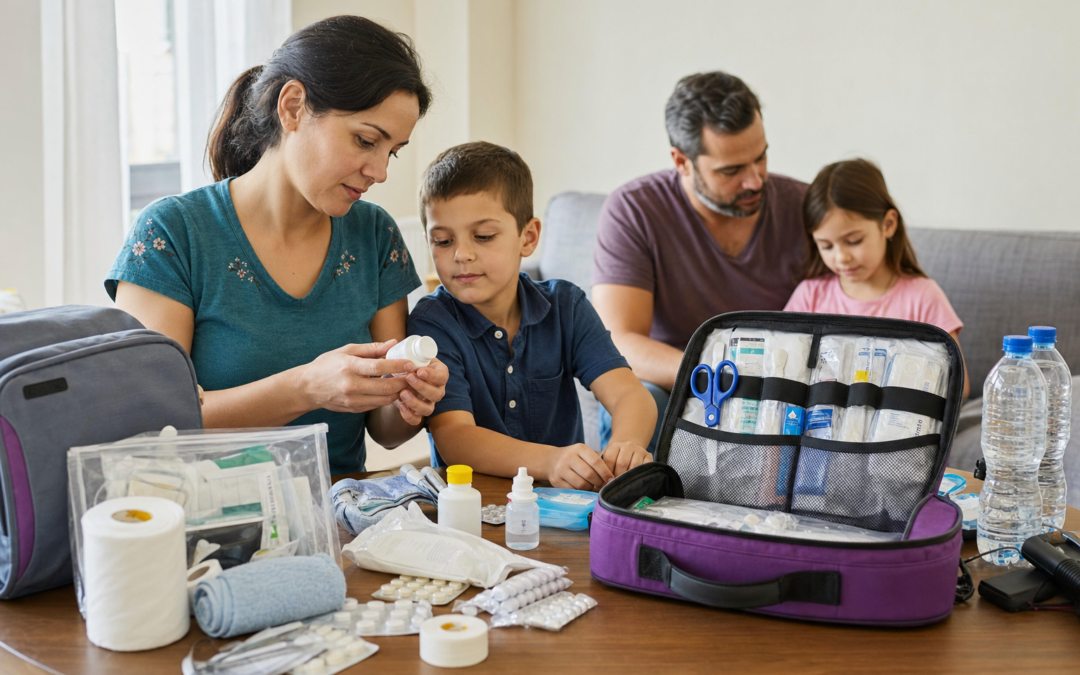
If you want to be truly prepared for emergencies at home or in your workshop, a reliable first aid kit is essential. Whether you’re dealing with minor scrapes, burns, or more serious injuries, having the right supplies on hand can make all the difference. But with so many first aid kits on the market, it’s not always clear which kit is best suited for a busy family household versus a tool-filled workshop. This guide breaks down the key differences, highlights top options, and explains how to keep your kit ready for use—so you’re never caught off guard.
We’ll cover the unique needs of home and workshop environments, what to look for in a quality kit, and how to manage refills as supplies get used. If you’re building your personal emergency preparedness plan, a well-stocked first aid kit is a must-have. For more comprehensive preparedness advice, check out our emergency preparedness hub.
Why Every Home and Workshop Needs a First Aid Kit
Accidents happen when you least expect them. In a family home, children might suffer cuts, burns, or allergic reactions. In a workshop, the risks multiply with sharp tools, heavy equipment, and chemicals. In both cases, immediate access to first aid supplies can prevent a minor issue from becoming a major emergency. A good first aid kit isn’t just a box of bandages—it’s peace of mind for you and your loved ones.
Key Differences: Home vs. Workshop First Aid Kits
While all first aid kits share some basics, the demands of a home environment differ from those of a workshop. Here’s what sets them apart:
- Home Kits: Focus on everyday injuries—scrapes, burns, splinters, allergic reactions, and fevers. They typically include children’s medications, smaller bandages, and supplies for treating minor illnesses.
- Workshop Kits: Designed for higher-risk injuries like deep cuts, punctures, burns, eye injuries, and even trauma. Look for more advanced wound care, burn dressings, eye wash, and tools for splinting or immobilizing injuries.
Choosing the right kit means thinking about who will use it, what risks are present, and how quickly you might need to respond to an emergency.
The Most Important Contents to Look For
Not all first aid kits are created equal. Some are packed with dozens of items you’ll never use, while others may skimp on essentials. For families and workshops, prioritize these key items:
- Adhesive bandages (various sizes and shapes)
- Sterile gauze pads and dressings
- Medical tape and elastic bandages
- Antiseptic wipes and antibiotic ointment
- Tweezers, scissors, and safety pins
- Burn cream or gel
- Eye wash solution
- Gloves (nitrile or latex-free)
- CPR mask or face shield
- Instant cold packs
- Thermometer (preferably digital)
- Pain relievers and allergy medicine (if allowed in your state)
- Trauma supplies (tourniquet, trauma pads, clotting sponge for workshops)
For a more detailed breakdown of what should be in your kit, consult the American Red Cross or OSHA recommendations, especially for workplaces.
Top Home First Aid Kits for Families
Family-friendly first aid kits should be straightforward to use, easy to organize, and cover a range of minor to moderate injuries. Look for kits that provide both basic wound care and items for fevers, allergic reactions, or other common household emergencies.

24/7 First Aid OSHA Compliant First aid Kit Review — 24/7 First Aid first aid kits gear aimed at buyers who want clear specs before they click through. Key figures include 24, 59554, 1 .
The 24/7 First Aid OSHA Compliant First aid Kit stands out for home use thanks to its clear labeling and organized compartments. Its OSHA compliance means it also works well for home-based businesses or home workshops. This kit covers everything from minor scrapes to moderate injuries, making it a balanced choice for families who want to be ready for anything.
For families with young children or those who travel frequently, consider a compact kit that can be taken on outings or vacations. A kit with a waterproof case is a bonus for camping or beach trips.
Best First Aid Kits for Workshops and DIY Spaces
Workshop environments present unique hazards, from power tool accidents to chemical splashes. A workshop first aid kit should be robust, include trauma care items, and be stored in an easily accessible location—ideally mounted on the wall or in a marked cabinet.

1STHOUR Trauma First Aid Kit, Emergency Medical Kit Review — Practical first aid kits from TacRight, summarized from hub features and listed measurements. Key figures include 82 , 82, 6 .
The 1STHOUR Trauma First Aid Kit, Emergency Medical Kit is engineered with workshop and industrial risks in mind. It goes beyond the basics, offering trauma pads, a tourniquet, and supplies for managing severe bleeding—items that could save a life in the event of a serious accident. While it’s suitable for home emergencies, it truly shines in environments where heavy tools and machinery are in use.

Adventure Medical Kits Trauma Pak First Aid Kit with QuikClot Sponge Review — Practical first aid kits from Adventure Medical Kits, summarized from hub features and listed measurements. Key figures include 2064, 7.75 , 0.110231 pounds.
If your workshop is in a garage or shared space, the Adventure Medical Kits Trauma Pak First Aid Kit with QuikClot Sponge provides professional-grade trauma care in a compact, portable package. The inclusion of QuikClot and other advanced wound care tools make this kit a smart addition for high-risk DIYers and hobbyists who want to be prepared for worst-case scenarios.
Compact and Ultralight Kits for Quick Response
Sometimes, you don’t need a massive kit—just the essentials to patch up minor injuries on the spot. Ultralight kits are great for keeping in a car, backpack, or even a tool belt. They’re also a smart backup to your main home or workshop kit.

Adventure Medical Kits Ultralight/Watertight Medical Kit .5 Review — A Adventure Medical Kits pick in First Aid Kits that focuses on real-world usability Key figures include 0125, 1, 7 .
The Adventure Medical Kits Ultralight/Watertight Medical Kit .5 is a standout for portability. It’s small enough to toss in a daypack but still includes enough supplies for short hikes, quick fixes around the house, or as a supplement to a larger kit. If you’re often on the move, this kit fills the gap between full-size first aid kits and single-use bandage packs.
How to Choose the Right Kit for Your Needs
With so many options, how do you pick the right first aid kit? Start by considering these factors:
- Size of your household or team: Larger families or busy workshops need bigger kits with more supplies.
- Types of activities: Are you doing woodworking, welding, or just everyday living? Match your kit to your risk level.
- Accessibility: Wall-mounted kits are best for workshops; portable kits are ideal for active families.
- Refill options: Kits that list refill part numbers or sell refill packs make long-term upkeep easier.
- Regulatory compliance: If your workshop is a business, ensure your kit meets OSHA or local standards.
Don’t forget to check expiration dates on medications and ointments. Choose a kit with clear labeling and a logical organization so anyone can use it in an emergency.
Managing Refills and Restocking Your Kit
Even the best first aid kit is only as good as its contents. Over time, supplies get used up or expire. Here’s how to keep your kit ready:
- Set a schedule: Check your kit every six months, or after any major incident.
- Keep a checklist: Most kits include an inventory—copy it and use it to track what needs replacing.
- Order refills in advance: Many manufacturers sell refill packs, but you can also buy individual items in bulk online.
- Rotate medications: Remove expired pain relievers, allergy meds, and ointments; replace with fresh stock.
- Restock after each use: If you use a bandage or a trauma pad, replace it immediately so you’re always prepared.
For workplaces, OSHA requires documentation of inspections and restocking. At home, a simple reminder on your calendar will suffice.
Where to Store Your First Aid Kit
Location matters—a kit that’s buried in a closet or blocked by clutter won’t help in an emergency. For homes, choose a central, accessible spot (like the kitchen or main hallway) that all family members can reach. In workshops, mount the kit on a visible wall near the workspace, away from potential hazards. Portable kits should be kept in cars, backpacks, or go-bags for quick access on the go.
- Label the location: Use a first aid sign or sticker so guests or kids know where to look.
- Teach everyone: Make sure all family members or team members know how to open and use the kit.
- Consider multiple kits: Keep a main kit in the house and a backup in the garage, workshop, or each vehicle.
First Aid Training: Why It Matters
Even the best-stocked kit won’t help if you don’t know how to use it. Basic first aid and CPR training can make a dramatic difference in an emergency. Many community centers, fire departments, and organizations like the American Red Cross offer affordable courses. Make it a family or team activity—practice using bandages, splints, and tourniquets so you’re not fumbling when seconds count.
- Hands-on learning: Practice skills like wound cleaning, bandaging, and using trauma supplies.
- Emergency contacts: Keep a list of emergency numbers and poison control in your kit for quick reference.
- Update skills regularly: Refresh your training every two years or with any major kit upgrade.
Should You Build Your Own Kit or Buy Pre-Made?
Some DIYers prefer to build their own first aid kits from scratch, while others choose pre-assembled kits. Each approach has pros and cons:
- Pre-made kits: Convenient, usually well-organized, and often meet regulatory standards. Ideal for most homes and workshops.
- DIY kits: Allow you to customize contents, add specialty items (like EpiPens or prescription meds), and control quality. This works well if you have specific medical needs or want to supplement an existing kit.
For most families and small workshops, starting with a quality pre-made kit and adding a few personal touches (extra bandages, specific medications) is the best balance of convenience and preparedness.
Special Considerations: Allergies, Medications, and Pets
Don’t forget to tailor your kit for your household’s unique needs. If someone has allergies, include antihistamines or an EpiPen (with your doctor’s approval). For chronic conditions, keep a backup supply of essential medications. Pet owners should consider a separate kit with pet-safe bandages, tweezers for ticks, and wound care supplies.
- Label special items: Mark allergy meds or EpiPens clearly and let everyone know where they are.
- Store medications safely: Keep them cool, dry, and away from small children.
- Consult a vet for pet kits: Your veterinarian can recommend the right supplies and dosages for pets.
Conclusion: Be Ready, Not Sorry
Investing in a quality first aid kit for your home and workshop is one of the simplest, most effective steps you can take toward real emergency preparedness. The right kit gives you the tools and confidence to handle everything from skinned knees to serious injuries. With regular restocking and a commitment to basic first aid training, you’ll be ready to keep your family, friends, and coworkers safer—no matter what comes your way.
For more tips and product reviews, explore our complete emergency preparedness resources to make informed, practical choices for your home and workspace.
Essential First Aid Kit Checklist
Whether you’re assembling your own kit or checking if a pre-made one meets your needs, use this checklist to ensure nothing vital is missing. Review your kit regularly and restock as needed:
- Adhesive bandages (multiple sizes and shapes)
- Sterile gauze pads (small and large)
- Roller bandages and medical tape
- Elastic/ACE bandage
- Antiseptic wipes and/or alcohol pads
- Antibiotic ointment
- Burn cream or gel
- Hydrocortisone cream
- Eye wash solution or eye pads
- Instant cold packs
- Disposable gloves (nitrile or latex-free)
- Tweezers and scissors
- Safety pins
- Thermometer
- CPR mask or face shield
- Pain relievers (acetaminophen, ibuprofen)
- Antihistamine tablets (for allergies)
- Emergency blanket
- First aid manual or instruction sheet
- Splint (SAM splint or similar) for workshops
- Tourniquet and trauma pads for high-risk environments
- List of emergency phone numbers
Periodically review this checklist and tailor it to your family’s or workshop’s specific needs, such as including child-friendly medications or specialized burn dressings.
Common First Aid Kit Mistakes to Avoid
Even with the best intentions, it’s easy to overlook critical details when buying, assembling, or maintaining a first aid kit. Avoid these common pitfalls:
- Letting items expire: Medications, ointments, and even some bandages have expiration dates. Replace expired items promptly.
- Using up supplies and forgetting to restock: After treating an injury, make a habit of replacing any supplies you used.
- Keeping the kit out of reach: Store your kit in an accessible, clearly marked location known to all family members or staff.
- Overloading with unnecessary extras: A kit stuffed with rarely used items can make it hard to find essentials quickly. Prioritize key supplies.
- Neglecting training: A first aid kit is only as good as the person using it. Ensure everyone knows where the kit is and how to use its contents.
- Ignoring specific risks: Tailor your kit to your environment. For example, a workshop needs trauma supplies, while a home with young kids needs child-safe medications and choking aids.
- Not checking for damage: Moisture, heat, or pests can damage supplies. Regularly inspect the kit and its contents for integrity.
By steering clear of these mistakes, you’ll ensure your kit is ready to provide effective help in any emergency.
How to Maintain and Store Your First Aid Kit
Proper maintenance ensures your first aid kit is always ready for action. Follow these guidelines:
- Check your kit at least twice a year: Set reminders to inspect for expired, damaged, or depleted items.
- Restock immediately after use: After any incident, replace what you used as soon as possible.
- Store in a cool, dry, and easily accessible place: Avoid places exposed to moisture or direct sunlight (e.g., bathrooms, garages without climate control).
- Label your kit clearly: Use a bold label or sticker so everyone can spot it quickly.
- Consider multiple kits: For larger homes or workshops, keep a kit on each floor or in high-risk zones.
- Keep a first aid manual or quick-reference guide inside: In stressful situations, clear instructions can make a big difference.
- Regularly review and update emergency contacts: Keep a printed list of local emergency numbers, poison control, and personal contacts.
In workshops, wall-mounted kits with transparent covers are ideal for visibility and quick access. For homes, keep kits out of reach of small children but accessible to adults and older children who know how to use them.
Frequently Asked Questions About First Aid Kits
How often should I check my first aid kit?
Inspect your kit at least every six months. Check for expired medications, damaged packaging, or missing supplies. If you use any item, replace it right away so your kit is always fully stocked.
Can I add my own medications to a first aid kit?
Yes, but check expiration dates regularly and keep medications in their original packaging with instructions. For families, include age-appropriate pain relievers and allergy medications; for workshops, avoid storing prescription drugs unless specifically required for employees and allowed by local regulations.
Where is the best place to keep a first aid kit?
Store your kit in a cool, dry, and easily accessible location. In homes, the kitchen or a central hallway works well. In workshops, mount the kit on a wall near the main work area. Make sure everyone knows its location.
Should I buy a pre-made kit or build my own?
Pre-made kits are convenient and ensure you have the basics. However, building your own allows you to customize contents for your specific needs. Many opt to buy a quality pre-made kit and then add or swap items as necessary.
What should I do if someone has a serious injury?
Use your first aid kit to stabilize the injury—control bleeding, protect wounds, and provide comfort. Call emergency services immediately for life-threatening conditions. Never attempt advanced procedures unless you are trained to do so.
How do I keep my kit child-safe?
For homes with young children, store the kit out of reach but not locked away from adults. Avoid including medications or sharp instruments that could be dangerous if accessed without supervision. Consider a separate kit for travel, with only child-friendly supplies.
Are first aid kits required by law in workshops?
In most regions, occupational safety regulations (such as OSHA in the US) require accessible, adequately stocked first aid kits in workplaces. Check your local regulations for specific requirements and ensure your kit meets those standards.
What training should I have to use a first aid kit effectively?
Basic first aid and CPR training are highly recommended for anyone responsible for a kit. Many local organizations and online platforms offer affordable courses. Regular refreshers help ensure you’re ready for any emergency.