
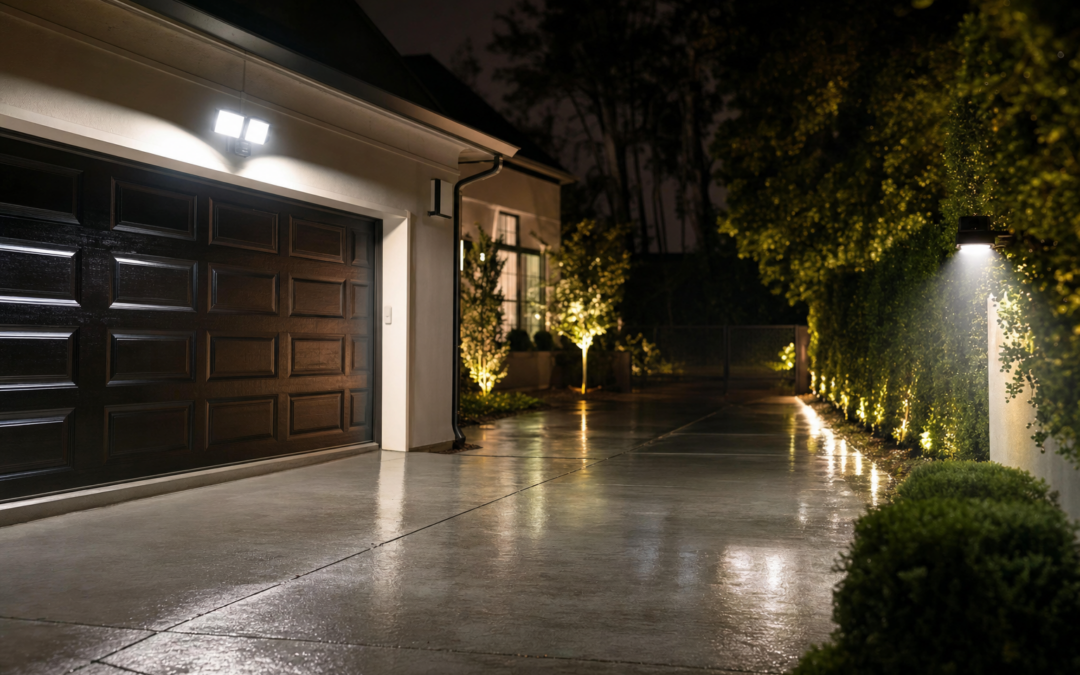
Flood security lights are a practical and effective way to boost the safety of your home’s exterior, especially for driveways and backyards. These lights can deter unwanted visitors, illuminate dark areas, and help you better monitor activity around your property. With advances in LED technology, motion sensors, and solar power, there are more choices than ever—making it important to select the right flood security light for your needs.
In this guide, we’ll break down what matters most when choosing flood security lights: motion detection, brightness, energy sources (like solar), and where to place them for maximum effect. Whether you want to protect a long driveway or a secluded backyard, we’ll help you understand the options and how to get the most out of your investment.
Why Flood Security Lights Matter for Home Protection
Flood security lights are a first line of defense against trespassers and burglars. A well-lit exterior makes your home less attractive to would-be intruders, who typically prefer dark, unmonitored spaces. For driveways, bright lighting can reveal anyone approaching your vehicles or entryways. In backyards, flood lights can cover wide areas and expose hidden corners, making it much harder for someone to sneak around undetected.
Additionally, flood security lights are practical for everyday use. They help you safely navigate your property at night, prevent accidents, and can even spotlight wildlife or pets in your yard. The best part? Modern flood lights are energy efficient and can integrate with smart home systems for added convenience and control.
Key Features to Consider in Flood Security Lights
When shopping for a flood security light, focus on the following core features to ensure you get reliable protection and value:
- Motion Detection: Essential for security, motion sensors activate the light only when movement is detected, saving energy and alerting you to activity.
- Brightness (Lumens): The higher the lumens, the brighter the light. Driveways generally benefit from 2,000-3,500 lumens, while large backyards may need up to 7,500 lumens for complete coverage.
- Adjustable Detection Range and Angle: Look for lights that let you customize the motion sensor’s sensitivity and field of view to match your space.
- Power Source: Options include hardwired (connected to your home’s electrical system), plug-in, battery-operated, and solar-powered. Each has benefits and tradeoffs for different locations and installation needs.
- Weather Resistance: Outdoor lights should be rated for rain, snow, and extreme temperatures (look for at least IP65 rating).
- Smart Features: App control, camera integration, and voice assistant compatibility can add convenience and security.
For a deeper look at outdoor security options, see our main guide on outdoor security solutions.
Types of Flood Security Lights: Pros and Cons
There are several types of flood security lights to consider, each with its own strengths:
- Hardwired Flood Lights: Provide consistent, powerful illumination. Best for permanent installations and areas needing high brightness. Requires electrical wiring—installation may need a professional.
- Solar Flood Lights: Eco-friendly and easy to install since they don’t require wiring. Perfect for remote areas or places where running electrical lines is difficult. Performance depends on sunlight availability and panel placement.
- Battery-Powered Flood Lights: Flexible placement but require regular battery changes or recharging. Good for renters or temporary setups.
- Smart Flood Lights (with Cameras): Combine lighting with video surveillance, app alerts, and other smart home features. Typically more expensive but offer all-in-one protection.
Motion Sensor Technology: How It Works and What to Look For
Motion-activated lights are a powerful deterrent and energy saver. Most outdoor security lights use passive infrared (PIR) sensors, which detect heat from moving bodies (like people, cars, or animals). Key considerations include:
- Range: How far from the light motion will be detected. For driveways, a 40-70 foot range is ideal. For smaller backyards, 20-30 feet may suffice.
- Detection Angle: The width of the area the sensor “sees,” usually between 120° and 180°. Wider angles cover more area but may be more prone to false triggers.
- Adjustability: The best lights let you fine-tune sensitivity and the area of detection to reduce false alarms from passing cars, pets, or swaying trees.
- Manual Override: Some models allow you to switch the light on continuously, useful for parties or extended outdoor work.

Blink Outdoor 4 – Wireless smart security camera Review — An editorial look at this Blink option for categories — specs first, marketing second. Key figures include 4 , 53, 5 .
Solar vs. Wired Flood Lights: Which Is Best for Your Yard?
Choosing between solar and wired flood lights depends on your property layout, sun exposure, and personal preferences:
- Solar Flood Lights: Easy to install anywhere with good sunlight. No wiring means less hassle and no increase to your electric bill. However, performance can drop in cloudy weather or if the solar panel isn’t optimally placed. Battery life and brightness may be lower than wired models.
- Wired Flood Lights: Offer higher, more consistent brightness and often more robust build quality. Installation is more involved and may require an electrician, but these lights are reliable in all weather and never need battery changes.
If you have a long driveway or remote backyard areas, solar lights are often the only practical choice. For security-critical zones near your house, wired models offer maximum reliability.
Brightness and Color Temperature: Getting the Right Light
Flood lights are rated in lumens and color temperature (Kelvin, or K):
- Lumens: For driveways, 2,000-3,500 lumens offers clear visibility without blinding glare. Large backyards or commercial-style installations may benefit from 5,000-7,500 lumens.
- Color Temperature: Measured in Kelvins. “Daylight” (5,000-6,500K) is bright and crisp—great for security. “Warm white” (2,700-3,000K) is softer and more pleasant for patios and entertaining areas. Most security lights lean toward daylight white for maximum visibility.
Adjustable heads and diffusers can help direct light exactly where you need it, minimizing light pollution and glare for neighbors.
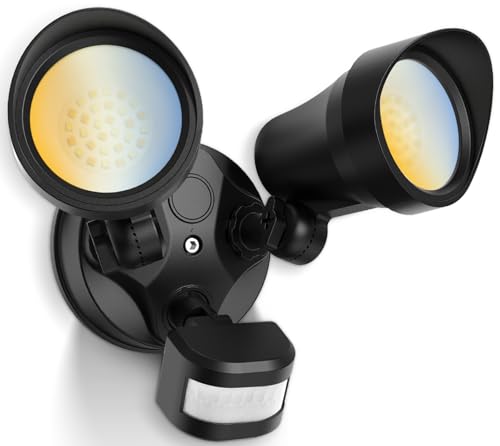
ALUSSO Motion Sensor Outdoor Lights Review — A ALUSSO pick in Flood & Security Lights that focuses on real-world usability Key figures include 120V, 108V, 3 .
Placement Tips for Driveways: Maximizing Coverage and Security
Where you install your flood security lights is just as important as which model you choose. For driveways, consider these placement strategies:
- Above Garage Doors: Mounting a flood light above the garage door covers vehicles and entry points. Aim lights downward to avoid shining into neighbors’ windows or the street.
- At Driveway Entrances: Placing a light on a pole or gatepost at the start of your driveway deters loitering and marks your property boundary.
- Along the Driveway: For long or curved driveways, space several lights to eliminate dark spots. Solar models with motion sensors work well for these locations.
- Angle and Height: Mount lights 8-10 feet high and angle them slightly downward for the broadest, most even coverage.
Always check local ordinances regarding outdoor lighting to avoid issues with neighbors or light trespass.
Placement Tips for Backyards: Covering Large and Hidden Areas
Backyards often have more nooks, fences, and landscaping that create shadows. Use these strategies for effective coverage:
- Home Corners: Install flood lights on the back corners of your house, pointing outward to cover yard perimeters and fence lines.
- Detached Structures: Sheds, garages, or pergolas are ideal spots for additional lights, especially if they’re far from the main house.
- Tree-Mounted Lights: For large yards, attaching solar lights to sturdy trees can illuminate dark zones without running wires.
- Layered Lighting: Combine wide-angle flood lights with spotlights aimed at specific features (gates, patios, pools) for complete security and usability.
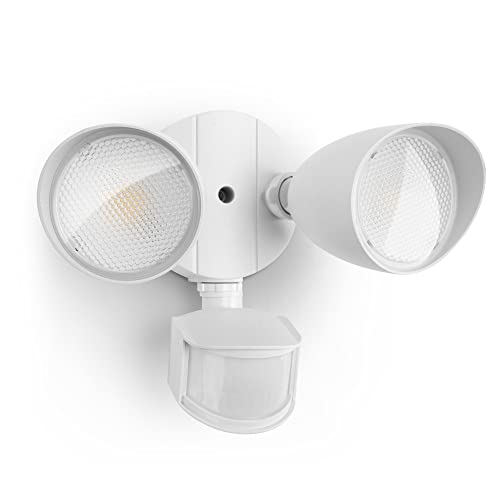
LUTEC 32W 3500 Lumen LED Security Lights Motion Sensor Light Outdoor Review — LUTEC flood & security lights gear aimed at buyers who want clear specs before they click through. Key figures include 32W, 3500 , 180 .
Combining Flood Lights with Security Cameras
Integrating flood lights with security cameras offers a dual layer of protection: the light deters intruders, while the camera captures evidence. Some modern flood lights come with built-in cameras, while others can be paired with standalone systems. Key advantages include:
- Real-Time Alerts: Receive notifications on your phone when motion is detected, allowing you to check live video feeds instantly.
- Recorded Footage: Cameras linked to flood lights can automatically record when triggered, providing valuable evidence in case of incidents.
- Two-Way Audio: Some smart flood lights let you speak to visitors (or warn off intruders) via a built-in speaker and microphone.
When pairing cameras and lights, ensure the camera’s field of view matches the illuminated area, and avoid aiming lights directly at the lens to prevent glare.
Smart Features: App Control, Schedules, and Integration
Today’s best flood security lights often include smart features for easy management:
- App-Based Control: Adjust brightness, sensitivity, and schedules from your phone.
- Automation: Set lights to turn on/off at set times, or trigger based on sunrise/sunset.
- Voice Control: Many lights work with Amazon Alexa, Google Assistant, or Apple HomeKit.
- Integration: Link lights to other smart home devices, like alarms or cameras, for a coordinated security system.
Smart features add convenience and can help you save energy by ensuring lights are active only when needed.
Installation and Maintenance: What to Expect
Most flood security lights are designed for DIY installation, especially solar and battery-powered models. Here’s what to expect:
- Mounting: Most lights come with hardware for attaching to walls, eaves, or poles. Use weatherproof anchors for exterior surfaces.
- Wiring: Hardwired lights must connect to your home’s electrical system. If you’re not comfortable with electrical work, hire a licensed electrician for safety.
- Positioning Sensors: Test motion sensor coverage before finalizing installation. Adjust angle and sensitivity as needed to minimize false alarms.
- Maintenance: Clean lenses and solar panels regularly to maintain brightness and charging efficiency. Check for loose connections or signs of water ingress after storms.
- Bulb Replacement: LED flood lights typically last 10+ years, but some models allow you to swap bulbs if needed.

LUTEC 72W 7500LM LED Security Lights Motion Sensor Light Outdoor Review — A LUTEC pick in Flood & Security Lights that focuses on real-world usability Key figures include 72W, 7500 , 180 .
Energy Efficiency and Running Costs
Modern LED flood lights are extremely energy efficient compared to older halogen models. Here’s why:
- Low Power Use: LEDs use a fraction of the energy to produce the same (or higher) brightness, reducing your utility bill.
- Long Lifespan: Quality LED chips last 25,000-50,000 hours, minimizing replacement needs.
- Solar Savings: Solar-powered models cost nothing to run, making them ideal for distant or frequently lit areas.
To maximize savings, use motion-activated settings and adjust brightness to the minimum needed for visibility and security.
Common Mistakes to Avoid with Flood Security Lights
Even the best light won’t work well if installed or configured incorrectly. Watch out for these pitfalls:
- Poor Placement: Lights mounted too low or aimed poorly can create blind spots or glare for neighbors and passersby.
- Over-Sensitivity: Setting motion sensors too high can cause frequent false triggers from wind-blown branches or small animals, reducing their effectiveness as a deterrent.
- Underestimating Brightness: Too few lumens means dark corners remain vulnerable. Always match the light’s output to your space size.
- Neglecting Maintenance: Dirty lenses, blocked sensors, or dead batteries will quickly undermine your security plan.
- Ignoring Local Regulations: Some areas have rules about light trespass or brightness—always check before installing.
Frequently Asked Questions
- How many flood lights do I need for my driveway?
Most standard driveways can be well-covered with one or two high-lumen flood lights. For longer or curved driveways, use multiple lights spaced 20-30 feet apart for even coverage. - Are solar flood lights bright enough for security?
Many solar lights now deliver 2,000+ lumens, which is sufficient for most residential settings. For large properties or maximum deterrence, wired models still offer the highest output. - Will flood lights bother my neighbors?
Proper aiming and using shields or diffusers can minimize light spill. Always discuss your plans with neighbors if lights will be near property lines. - Can I use a smart plug with my flood light?
Plug-in flood lights can often be paired with smart plugs for app-based scheduling, but hardwired models may require integrated smart features.
Final Thoughts: Finding the Best Flood Security Light for You
The right flood security light will make your driveway and backyard safer, more convenient, and less appealing to unwanted visitors. Consider your property’s layout, your preferred power source, and whether you want to integrate cameras or smart controls. Take the time to install and aim your lights correctly, and you’ll enjoy years of reliable, energy-efficient protection.
For more detailed guides, smart lighting tips, and security gear reviews, be sure to visit our outdoor security hub.
Checklist for Choosing and Installing Flood Security Lights
- Assess Your Needs: Identify key areas that require illumination, such as driveway entrances, garage doors, backyard gates, or dark pathways.
- Determine Power Source: Decide between hardwired, solar, plug-in, or battery-powered lights based on your property’s layout and access to electricity.
- Evaluate Brightness: Match the lumens rating to the size of the area you want to illuminate. Over-lighting can cause glare, while under-lighting leaves blind spots.
- Check Sensor Range and Angle: Ensure motion sensors cover the needed area without triggering unnecessarily from street traffic or neighbors’ pets.
- Weatherproofing: Verify the IP rating (IP65 or higher for most climates) to ensure durability against rain, snow, and dust.
- Test Placement: Temporarily position the lights to check for shadows and blind spots before final installation.
- Consider Smart Features: If you want app alerts or integration with other devices, select models with Wi-Fi or Bluetooth connectivity.
- Review Local Regulations: Some communities have rules about outdoor lighting brightness or placement—double-check before installing.
Common Mistakes to Avoid When Installing Flood Security Lights
- Mounting Too Low or Too High: Lights placed too low can be tampered with easily, while those mounted too high may not effectively detect motion or sufficiently illuminate the area.
- Ignoring Shadows and Blind Spots: Failing to account for trees, fences, or vehicles can leave parts of your driveway or backyard unlit.
- Overlooking Power Access: For hardwired and plug-in lights, make sure you have safe and accessible power sources to avoid running long, unsightly extension cords.
- Setting Sensitivity Too High: Overly sensitive sensors may trigger from wind-blown branches, passing cars, or small animals, leading to nuisance activations and reduced security effectiveness.
- Neglecting Weatherproofing: Using indoor-rated fixtures outdoors can lead to rapid deterioration and even safety hazards.
- Poor Angle Adjustment: Not aiming the light properly can cause glare for neighbors or drivers, and may miss critical areas on your property.
Maintenance Tips for Long-Lasting Security Lights
Proper maintenance ensures your flood security lights remain reliable and effective for years. Here’s how to keep them in top shape:
- Regular Cleaning: Wipe lenses and solar panels with a soft, damp cloth every few months to remove dust, pollen, or spider webs that can block light output or sensor function.
- Inspect for Damage: After storms or extreme weather, check for cracks, water ingress, or loose mounts. Promptly replace or repair damaged units.
- Test Sensors Periodically: Walk through the detection zone monthly to ensure the light activates as expected. Adjust sensitivity or angle if needed.
- Replace Batteries: For battery-operated models, check and replace batteries according to the manufacturer’s schedule—typically every 6-12 months.
- Check Electrical Connections: For hardwired or plug-in lights, inspect wiring and plugs for corrosion or fraying annually to prevent failures or fire hazards.
- Update Firmware: For smart lights, periodically check for app or firmware updates to maintain compatibility and security.
Frequently Asked Questions About Flood Security Lights
How bright should my flood security light be?
The ideal brightness depends on the area you want to cover. For driveways, 2,000–3,500 lumens is usually sufficient. For large backyards or security perimeters, consider 5,000–7,500 lumens. Choose adjustable or multi-head models for customizable coverage.
Can I install flood security lights myself?
Many solar and battery-powered models are designed for easy DIY installation using basic tools. Hardwired lights may require electrical knowledge and, in some cases, should be installed by a licensed electrician to comply with local codes and ensure safety.
Will flood lights bother my neighbors?
Proper placement and angle adjustment are key. Aim lights downward and avoid pointing them directly at neighboring homes or streets. Motion-activated lights reduce unnecessary illumination, and some models have shields or diffusers to minimize glare.
Are solar flood lights reliable in cloudy or winter conditions?
Modern solar lights often include larger or more efficient panels and backup batteries. However, performance can decline with prolonged overcast weather or limited sunlight. For critical areas, consider hybrid or hardwired options as a backup.
How do I prevent false alarms from animals or wind?
Look for lights with adjustable sensitivity and detection zones. Some advanced models can distinguish between people and small animals. Placing lights away from trees or bushes that move in the wind also helps reduce false triggers.
Do I need a permit to install outdoor security lights?
Most residential installations don’t require a permit, but some municipalities have regulations about light pollution or electrical work. Check with your local building department if you’re unsure.